
Tired of endless meeting notes? Wasting hours transcribing recordings? There's a smarter way to capture every detail without the manual effort, boosting your team's productivity and focus.
AI meeting note-takers use artificial intelligence to automatically transcribe, summarize, and identify key action items from your audio recordings. This saves time, improves accuracy, and ensures you never miss important decisions, letting you focus on the conversation itself.
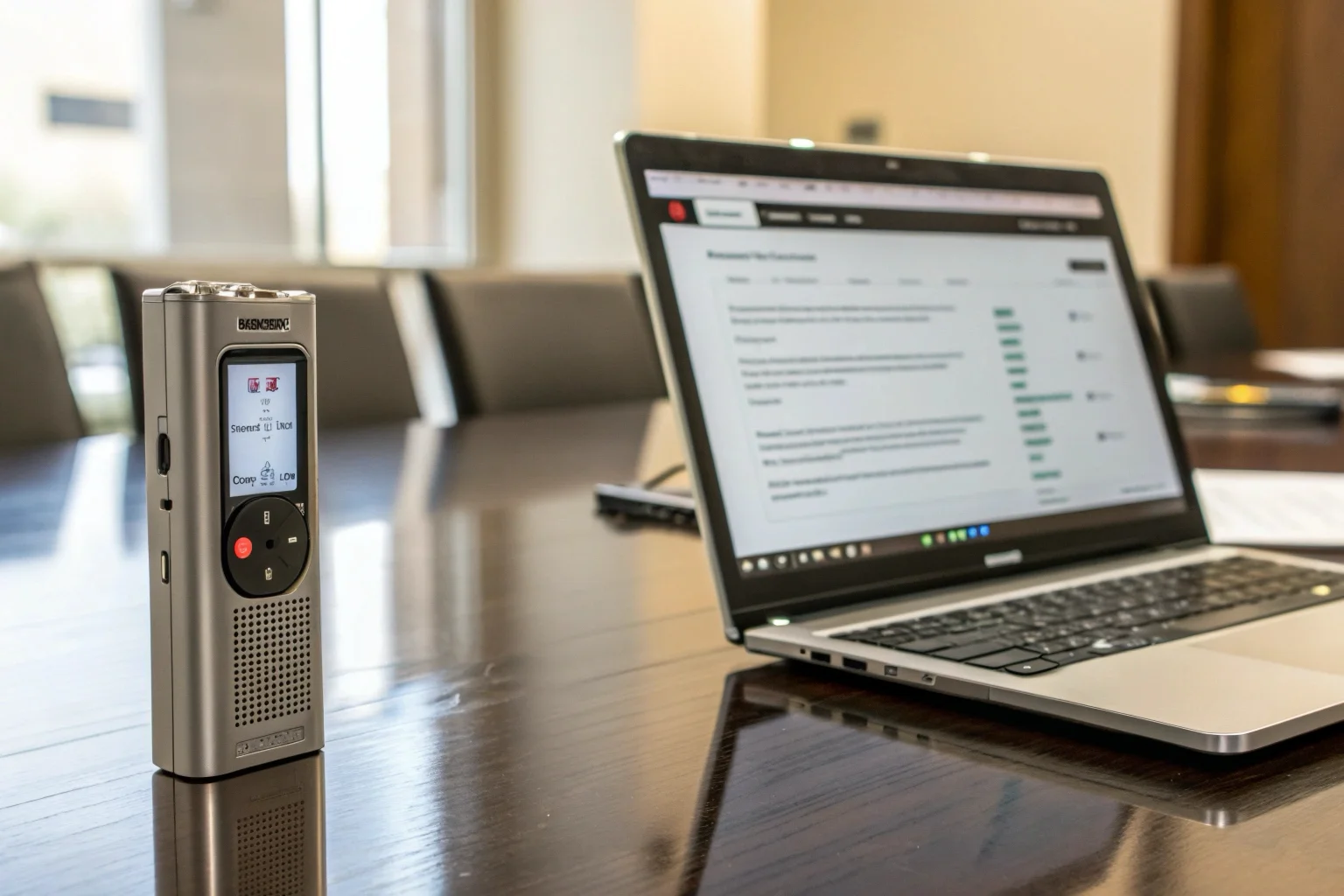
I often speak with clients like Piotr from Poland who need to document every detail of their supplier negotiations. They are cautious and value accuracy above all else. Using an AI recorder has been a game-changer for them, but it brings up some important questions. Let's dive into what you, as a business owner, need to know to use these tools effectively and legally.
Are AI voices legal?
Worried about the legal risks of recording conversations? The laws can be confusing and vary by location. Using AI to transcribe or generate voices raises new and important legal questions.
The legality of using AI for voice recording and transcription depends on consent. In many places, you must inform all parties they are being recorded. Laws differ between one-party and two-party consent jurisdictions, so always check local regulations before recording any conversation.
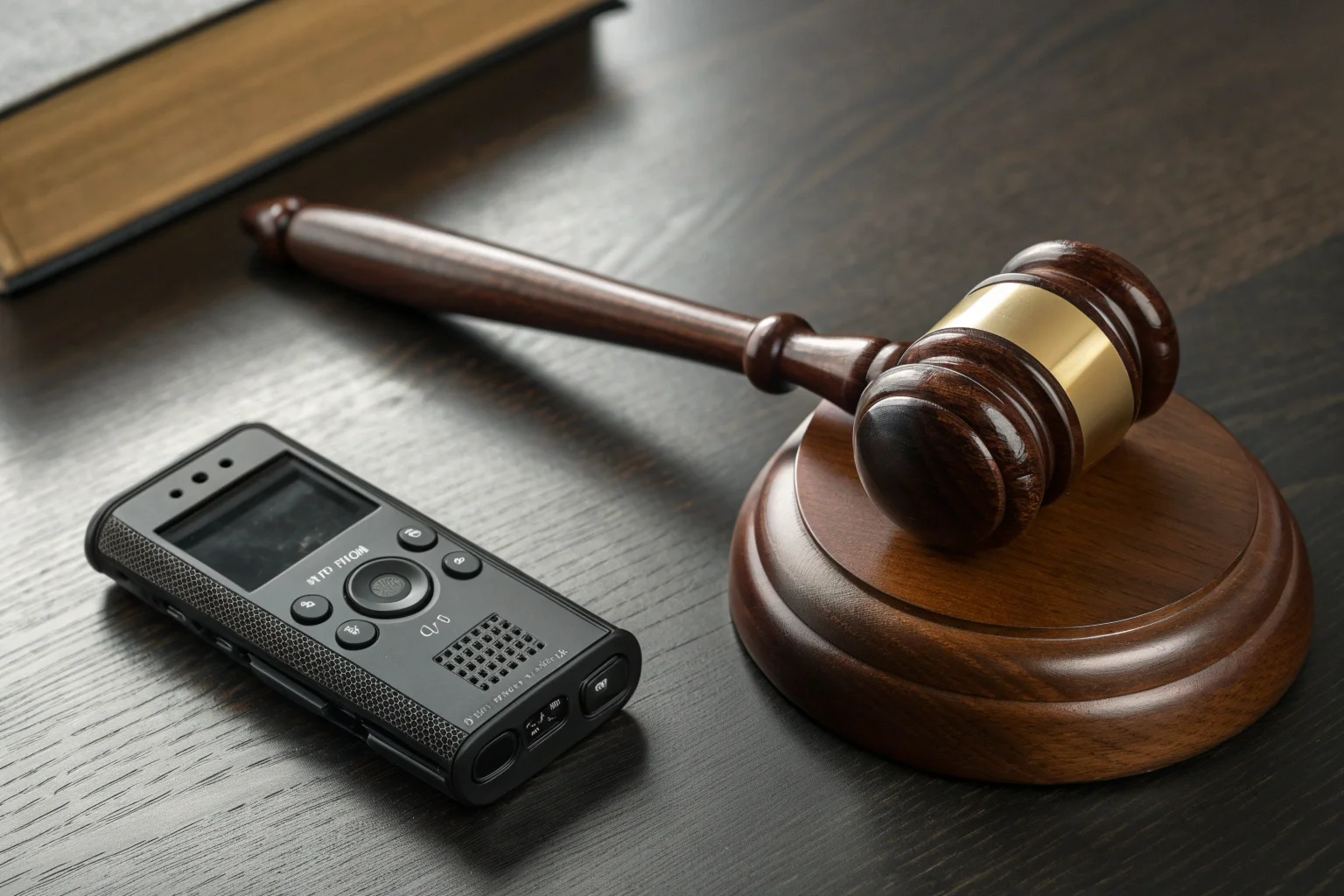
This is a huge concern for my B2B clients in Europe, who need everything to be fully compliant. For them, it’s not just about getting a good product; it's about trust and legality. This is why I always make sure our process is transparent and our products meet the required standards.
Understanding Consent Laws
Let's break down the difference between the two main types of consent. One-party consent means you only need one person in the conversation (which can be you) to consent to the recording. Two-party consent, which is often called all-party consent, means everyone involved must agree to be recorded. European countries generally have strict privacy laws under GDPR, making explicit consent crucial for any recording.
AI Voice Generation and Compliance
What about using AI to create voice clones? This area is even newer and has more complex rules. Using someone's voice without permission for deepfakes or misinformation is illegal in many places. For business purposes, it is safest to stick to using AI for the transcription of conversations where you have clear consent from all participants. I always tell my clients, like Sossa in Italy, that having our products CE certified [2][5] provides peace of mind on the hardware side, but they must handle the usage side legally. Our range of mini voice recorders are powerful tools, but they must be used responsibly.
What is the best AI recording device?
Choosing the right recorder is tough. With so many options, how do you find one that's reliable, discreet, and has the features you actually need for your business needs?
The best AI recording device combines long battery life, high-quality audio capture, and sufficient storage with a discreet design. For business owners, reliability is key, so look for devices with clear specifications and certifications that fit your specific use case.
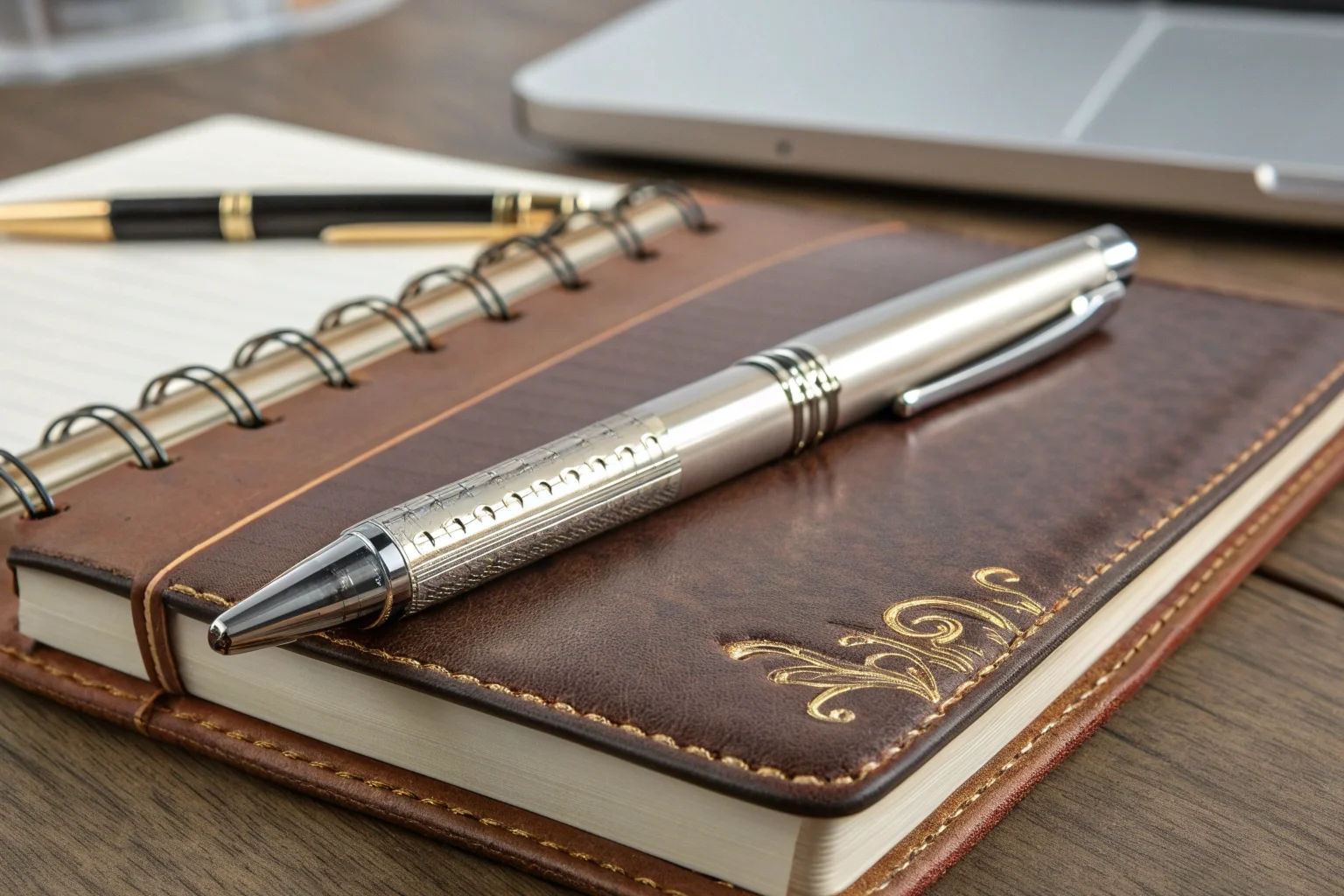
My client Daniel from France runs a successful e-commerce site. He doesn't need flashy gadgets; he needs tools that work perfectly every time he uses them. He values devices that are both functional and discreet, allowing him to capture conversations naturally without causing a distraction.
Key Features to Look For
When I consult with business owners, I help them focus on the features that truly matter for professional use. It's not about having the most functions, but about having the right ones. For instance, a simple device like one of our pen cameras that also records high-quality audio can be an ideal multi-purpose tool. Let's compare some of the most important features.
| Feature | Importance for Business | Example From Our Line |
|---|---|---|
| Discreet Design | Crucial for natural conversations without distraction. | Pen, Keychain, or Watch Recorders (like the S8/S10) [1] |
| Audio Quality | Non-negotiable for accurate AI transcription. | Models with a bitrate of 192Kbps or higher [2][5] |
| Battery Life | Must last through long meetings or a full day. | Look for 15+ hours of working time (e.g., V11) [3] |
| Storage Capacity | Depends on how often you record and for how long. | 8GB is a good start, with 16GB+ for heavy users [1][3] |
How long is the AI voice recorder battery life?
Is there anything worse than your recorder dying in the middle of an important meeting? A dead battery means lost information and lost opportunities. You need a device you can count on.
The battery life of a voice recorder can range from a few hours to over 500 hours on a single charge. This duration depends on the battery's capacity (measured in mAh) and power usage. For all-day reliability, look for devices offering at least 15-20 hours.
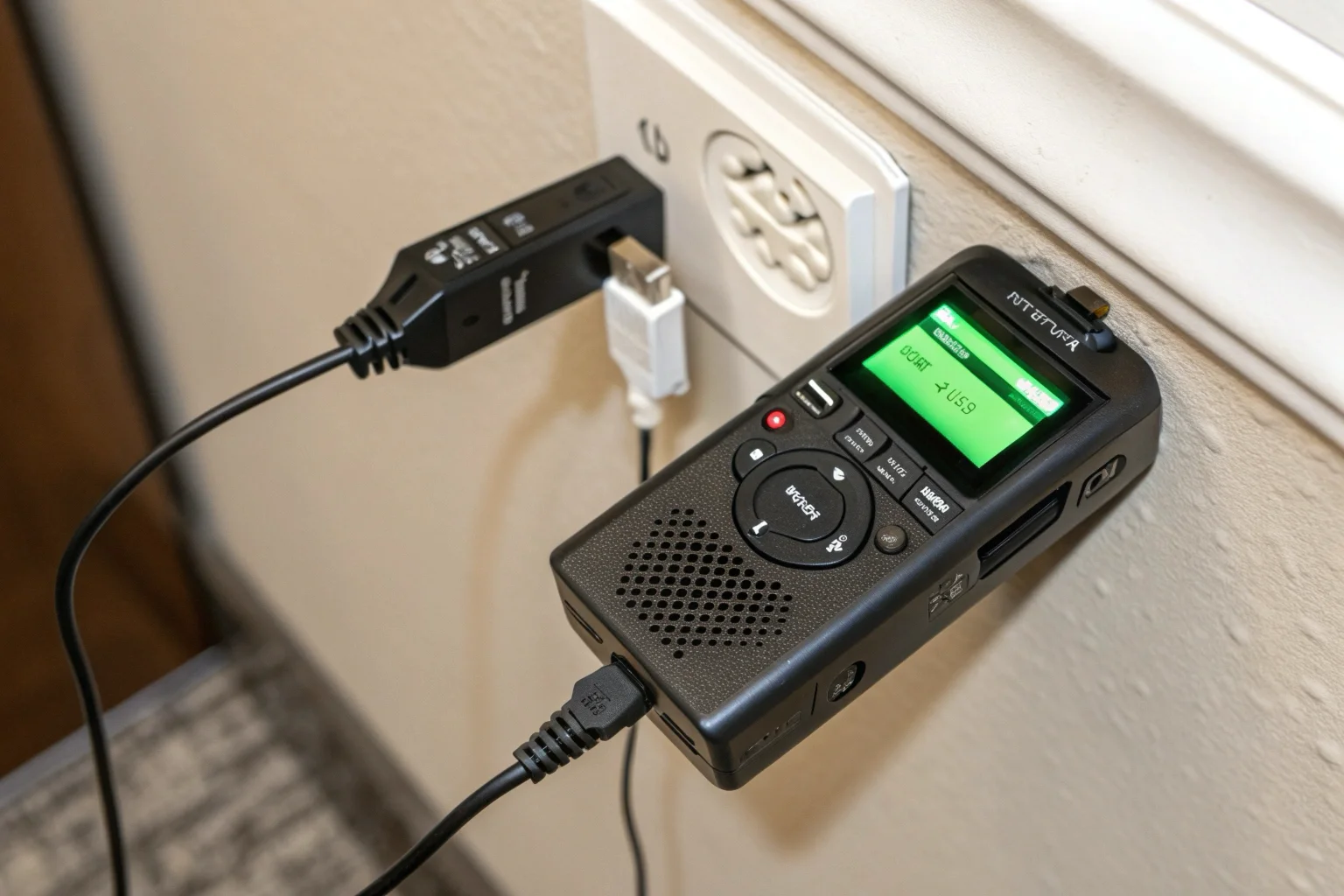
I remember Agnieszka from Poland telling me she needed a recorder for multi-day trade shows. She can't be worrying about finding an outlet to charge her devices. For her, and many others, reliability and long battery life are the top priorities.
Factors Affecting Battery Life
Several things impact how long your device will last on a single charge. First is the recording quality; higher bitrates consume more power. Another factor is a feature like voice-activated recording. This can save a lot of battery by only recording when it detects sound. Finally, the device's size plays a role. Smaller, more discreet devices, such as our popular wearable cameras, often have smaller batteries, so there is a trade-off between size and recording time.
Model Comparison
Let's look at some real-world examples from our catalog to see the differences. The S8 Watch Voice Recorder offers a working time of 1800 minutes, which is a full 30 hours of recording [1]. The Q70 Voice Recorder is a true powerhouse, capable of recording for about 500 hours (30,000 minutes) continuously [5]. For a solid all-around option, the V11 provides 900-1020 minutes (15-17 hours), making it a great choice for daily business meetings [3].
How many hours of voice recording is 128GB?
Running out of storage space can unexpectedly halt an important recording. It’s confusing to know how much storage you really need. How can you be sure your device will hold everything?
A 128GB voice recorder can hold approximately 2,000 to 5,000 hours of audio. The exact amount depends heavily on the recording quality (bitrate). Higher-quality WAV files take up more space but offer better clarity for AI transcription.
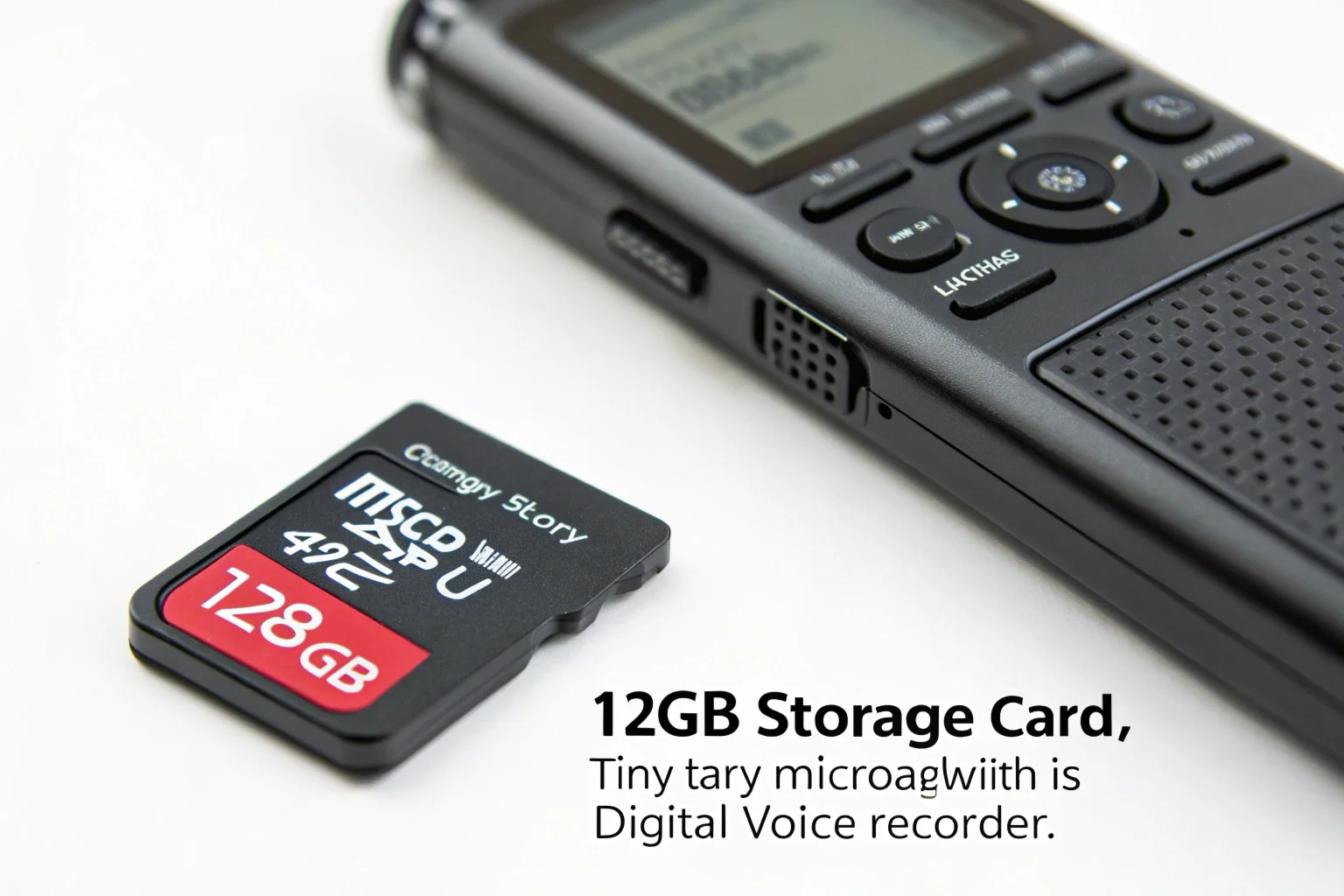
My clients who purchase in bulk for their retail stores need to explain these details to their own customers. So, I make sure they understand the technical side completely. It builds trust and helps them make better sales.
Bitrate Makes the Difference
To understand storage, you have to understand bitrate. Bitrate is the amount of data used to record one second of audio, measured in kilobits per second (Kbps). The higher the bitrate, the better the quality, but the larger the file size. This is why many of our everyday items for home security are designed with efficient bitrates to maximize recording time without sacrificing essential clarity. Let's look at a simple breakdown.
| Recording Quality | Bitrate | Approx. Hours per 1GB | Approx. Hours per 128GB |
|---|---|---|---|
| High-Quality (PCM) | 1536 Kbps | 1.5 hours | ~192 hours |
| Standard Quality (WAV) | 192 Kbps | 12 hours | ~1,536 hours |
| Compressed (ADPCM) | 128 Kbps | 18 hours | ~2,304 hours |
| Long Play (MP3) | 64 Kbps | 36 hours | ~4,608 hours |
As you can see, the trade-off is between file size and audio clarity. For most business uses where AI transcription is the primary goal, a standard quality of 192 Kbps, like that found on our ZD46 or Q70 models [2][5], provides the perfect balance.
Conclusion
Choosing the right AI recorder involves balancing legality, battery, and storage. With the right device, you can boost productivity and never miss a detail. To find the perfect certified device, contact our team for a personalized consultation.

 English
  Italiano
  Deutsch
  Français
  Español
  Polski