
Worried about what happens when you're not around? It's stressful not knowing, but finding a discreet camera that actually works feels complicated. I'm here to clear things up for you.
The smallest spy cameras are just a few centimeters wide. They are powered either by a wall outlet for constant power or by rechargeable lithium batteries for portability, with battery life ranging from a few hours to several weeks depending on usage. Placement and legality are key considerations for effective, lawful use.
As someone who has been in the electronics business for years, I've seen it all. My name is Taylor Li, and my company, QZT, specializes in these niche products. I've helped countless e-commerce owners like Piotr from Poland and retailers across Europe find reliable, certified products. They trust me because I understand their pain points—especially the need for genuine CE/ROHS certifications. Let's walk through the most common questions I get, and I'll share what I've learned from my experience.
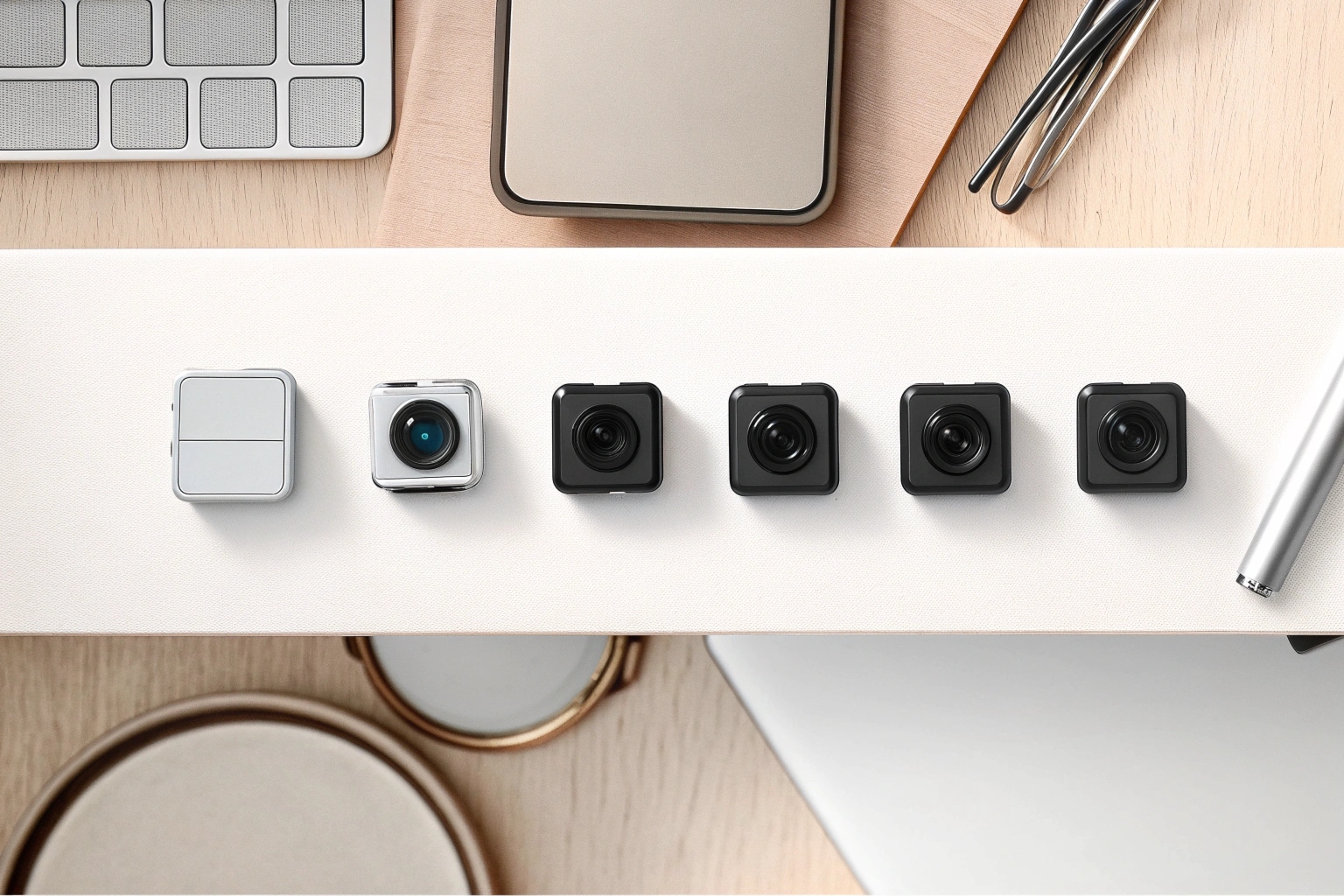
Just How Small Can a Spy Camera Be?
Need a camera that’s practically invisible to the naked eye? The quest for the smallest possible device can feel overwhelming, but modern technology has made the impossible possible.
The smallest cameras available today can be just a few centimeters in size, making them incredibly easy to hide. Most of these marvels of miniaturization are produced in the consumer electronics hub of Shenzhen, China, where innovation moves at lightning speed. These factories can create a complete camera system on a single, tiny circuit board.
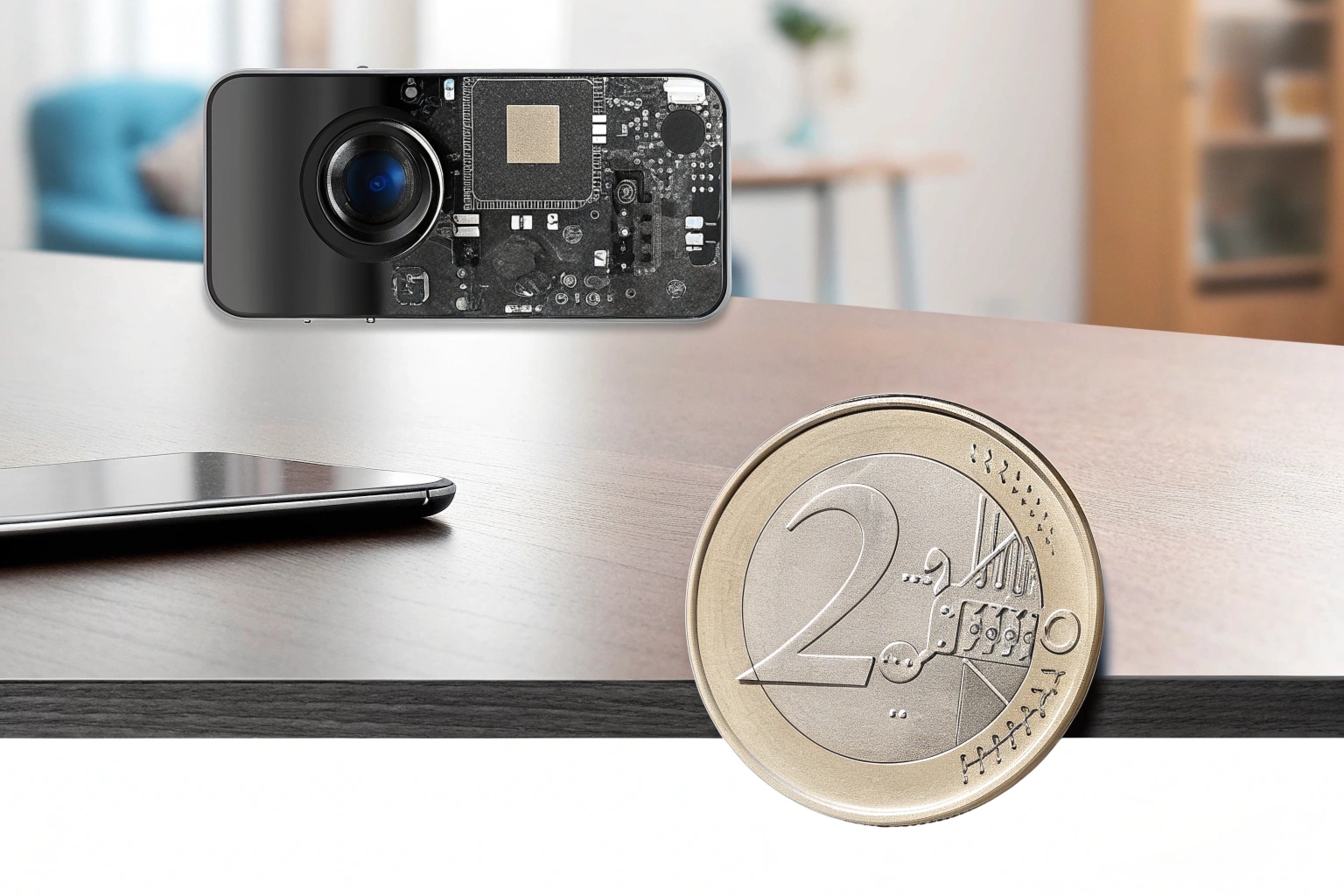
At QZT, we work directly with these technologies. We offer products like our Tuya DIY modules, which are essentially tiny camera circuits that my clients can custom-fit into almost any object imaginable—a tissue box, a picture frame, you name it. This flexibility is a huge advantage for creating a truly covert monitoring solution. The key is the balance between size and functionality. While they are small, they still pack powerful features. We focus on providing high-quality lenses and sensors even in the smallest packages, ensuring that going small doesn't mean sacrificing clear, usable footage. This commitment to quality is why discerning customers who need reliable B2B solutions choose us over the competition.
How Do Hidden Cameras Get Power?
A dead camera is just a piece of plastic. The anxiety about a battery dying or the challenge of hiding wires is real. Let me break down the power options to ease your mind.
Essentially, hidden cameras get their power in two main ways: they are either plugged into a wall for continuous power or they run on internal, rechargeable batteries. The choice depends entirely on your specific needs for surveillance.
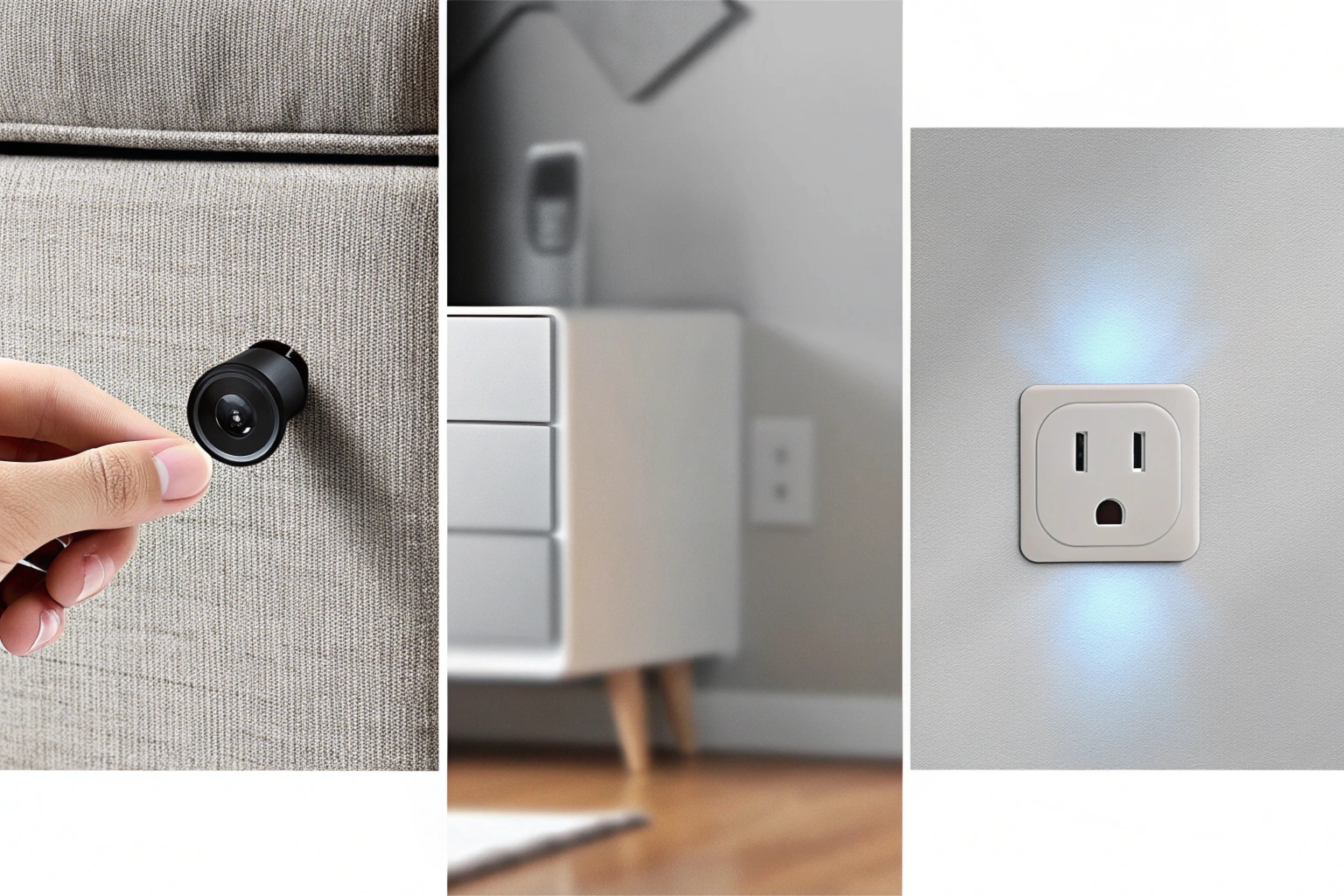
For long-term, set-and-forget monitoring, a device that draws power from a standard electrical outlet is the best solution. We design many of our products to be disguised as common household items that are always plugged in. Think about a USB wall charger or a digital alarm clock. These devices can record 24/7 without ever needing a battery change, which is perfect for securing a home or office. On the other hand, for temporary or on-the-go situations, portable cameras with built-in lithium batteries are essential. These are the models you can place on a bookshelf or carry with you. The trade-off is finite battery life, but they offer unmatched flexibility in placement. My most successful clients, particularly those running e-commerce stores, offer a mix of both to satisfy every customer's unique situation.
How Long Does a Mini Spy Camera's Battery Really Last?
You've set up a camera for an important reason, but the fear that the battery will die before you capture what you need is a major concern. Missing the crucial moment is frustrating.
A mini spy camera's battery can last anywhere from a few hours to several weeks. The biggest factor is how you use it. Continuous recording will drain the battery the fastest, while motion-activated modes significantly extend its life by only recording when there is activity.

From my experience, Wi-Fi connectivity is a major battery drain. Many of my customers, especially those new to spy cameras, become anxious about unstable Wi-Fi connections and the battery life it consumes. For that reason, I often recommend direct-recording products to my clients. These cameras save footage directly to a memory card and don't rely on a Wi-Fi signal. They are far more stable, especially for outdoor use or in areas with poor connectivity. For my clients who insist on Wi-Fi models, I strongly recommend using products integrated with the Tuya app ecosystem. We’ve found that Tuya-based products are much more stable and reliable, especially for our European customers who have a strong preference for them. This stability reduces customer complaints and returns, which is a key goal for any retailer.
Where Is the Best Place to Hide a Spy Camera?
You finally have the camera, but finding the perfect hiding spot is the next big challenge. A badly placed camera is either easily found or captures nothing useful.
The best hiding places are in plain sight, disguised as everyday objects. You want a location that provides a clear, unobstructed view of the area you need to monitor, preferably at eye level to capture faces clearly. Common household items are your best allies.
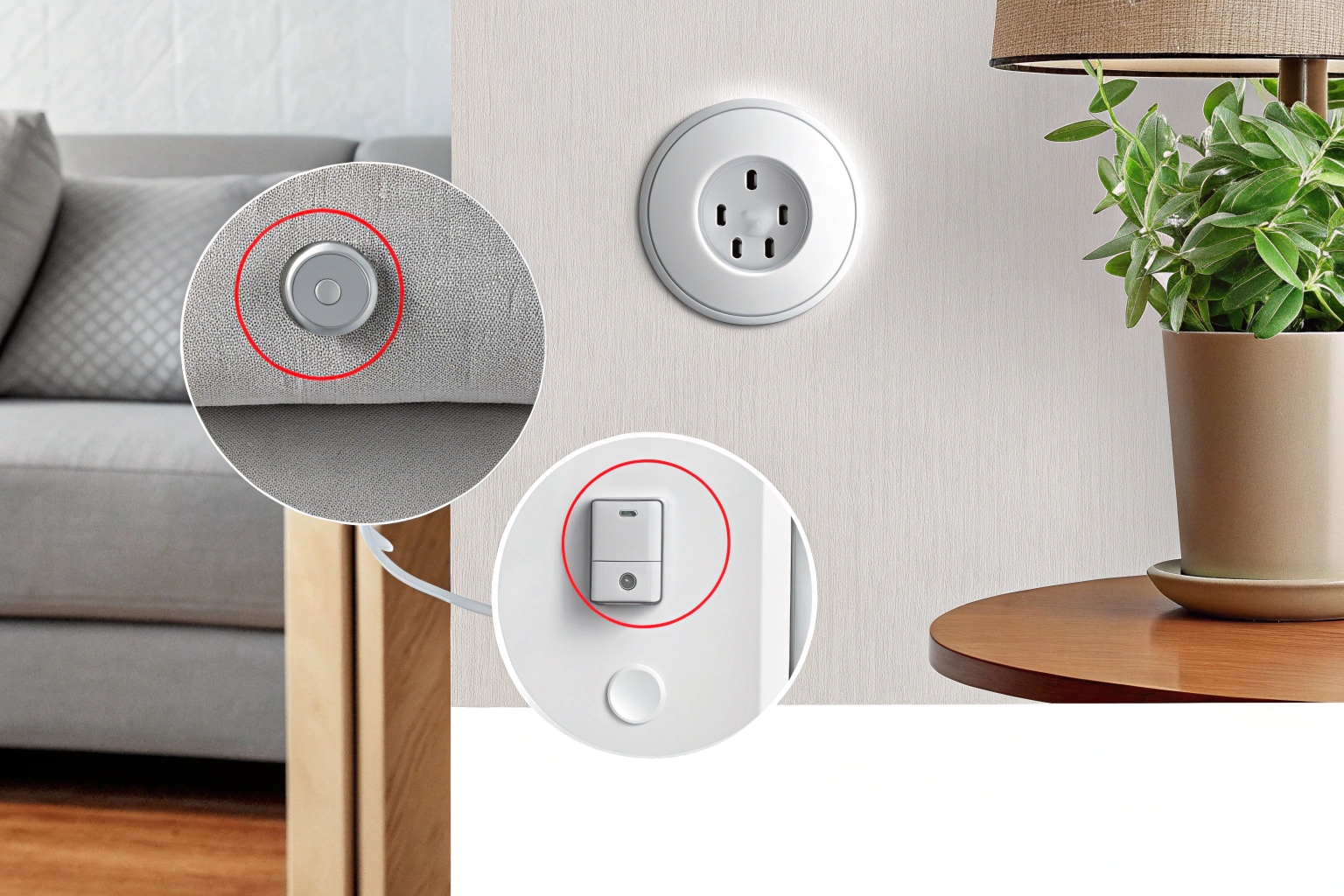
To truly conceal a camera, think about the room's purpose and what belongs there naturally. You must consider the camera's field of view—you don't want it pointed at a wall. Also, avoid placing it facing a window, as the bright light from outside can wash out the image, making it useless. Here are some of my favorite placements that my clients have had success with:
| Hiding Spot | Best Use Case | Why It Works |
|---|---|---|
| Digital Alarm Clock | Bedroom, Office | Common object, already has a power cord. |
| Smoke Detector | Ceiling-mounted view | Provides a wide, overhead view. |
| USB Wall Charger | Any room with an outlet | Extremely common and always plugged in. |
| Potted Plant | Living Room, Entryway | Foliage provides natural camouflage. |
| Bookshelf | Office, Study | Can be hidden between books or in an item. |
Our Tuya DIY modules are perfect for this, as they allow for complete customization. A client in France successfully integrated one into a custom-built birdhouse to monitor his garden. The possibilities are endless when you think creatively.
Are Mini Wi-Fi Cameras Actually Legal to Use?
The thought of breaking the law is a serious concern for anyone considering a hidden camera. Navigating the legal rules can be confusing and intimidating, but it's critically important.
The legality of using a mini Wi-Fi camera depends entirely on where you live and how you use it. Generally, it is legal to record video on your own property for security purposes, but it is illegal to record in places where people have a reasonable expectation of privacy, like bathrooms.

I must be very clear: I am not a lawyer, and this is not legal advice. You must check the laws in your specific country and region. However, I can share what I've learned from working with clients across the globe. The biggest legal issue often involves audio recording. In many places, it is illegal to record a conversation without the consent of at least one, and sometimes all, parties involved. For this reason, many hidden cameras do not record audio, or the feature can be disabled. For my B2C clients like Sossa Larsso in Italy, compliance is everything. They cannot risk selling products that violate EU regulations. This is why every product from QZT comes with verifiable CE and ROSH certifications. This ensures that the product itself is compliant with safety and environmental standards, which is the first step in responsible and legal use.
Conclusion
In short, the world of mini cameras is vast. The key is to match the right size, power source, and placement to your needs, all while strictly respecting legal and ethical boundaries.

 English
  Italiano
  Deutsch
  Français
  Español
  Polski