
Managing a fleet of vehicles without real-time data is like driving blind. You worry about theft, inefficient routes, and unauthorized use, all of which hurt your bottom line. It’s a constant headache that old-school methods just can't solve.
The best real-time tracking device is one that perfectly matches your fleet’s specific needs. It should offer a combination of reliable hardware, user-friendly software with features like geofencing and instant alerts, and a battery life that fits your operational schedule. The "best" is about reliability, not just features.
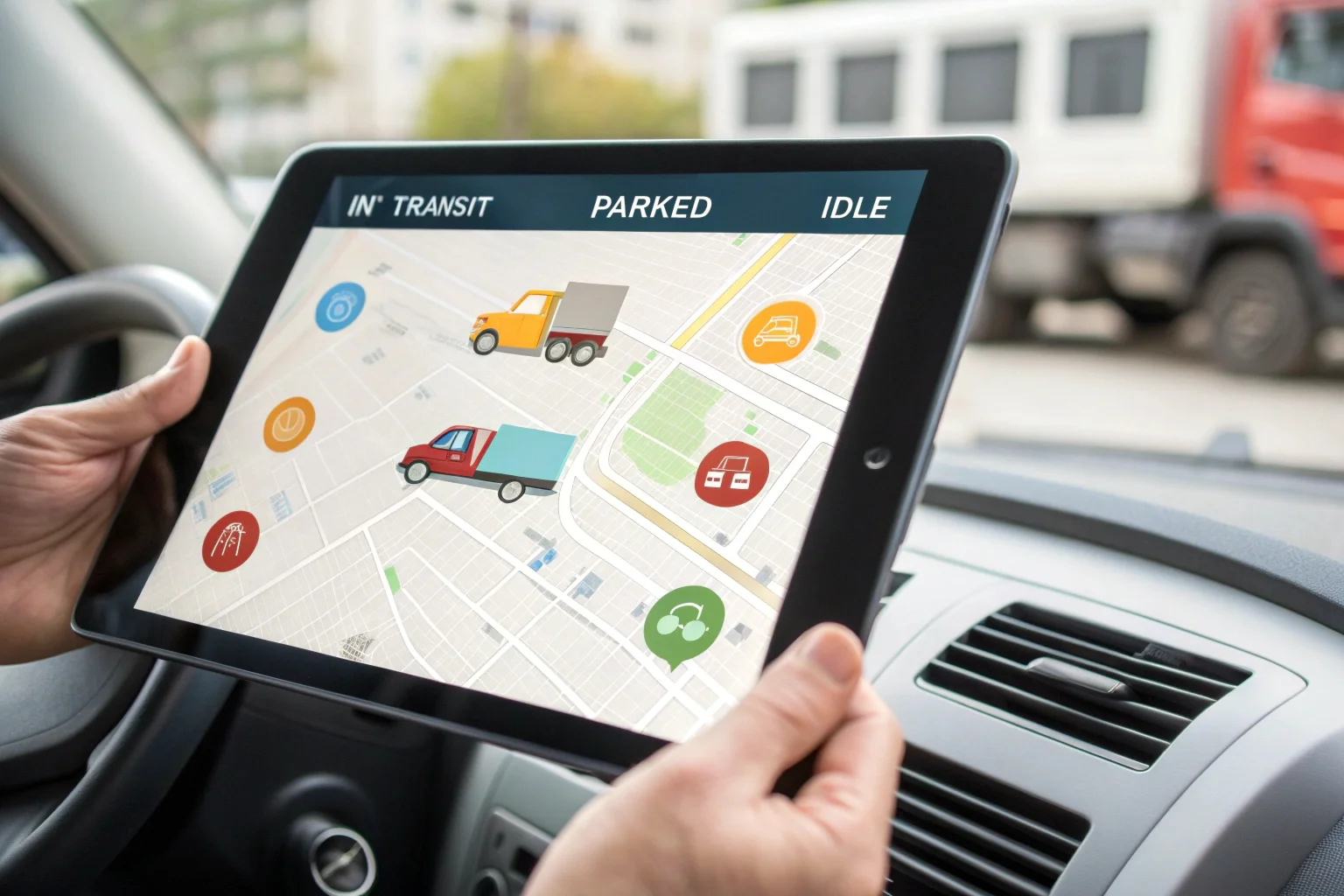
Choosing the right device is only the first step. I've learned from years in the electronics business that understanding the technology and, more importantly, the supplier is what guarantees long-term success. A great product from a bad partner is a recipe for disaster. Let’s dive deeper into what really matters.
What is the longest range of a GPS tracker?
Are you worried that your tracker will go dark during a critical long-haul journey? A device with a limited range is a waste of money and offers a false sense of security. The solution is understanding that modern trackers offer virtually limitless range.
The range of a GPS tracker is not like a walkie-talkie; it's determined by its connection to a global network. Most trackers use cellular (4G/5G) or satellite networks to transmit their location data. This means as long as the device has power and network coverage, its range is practically worldwide.
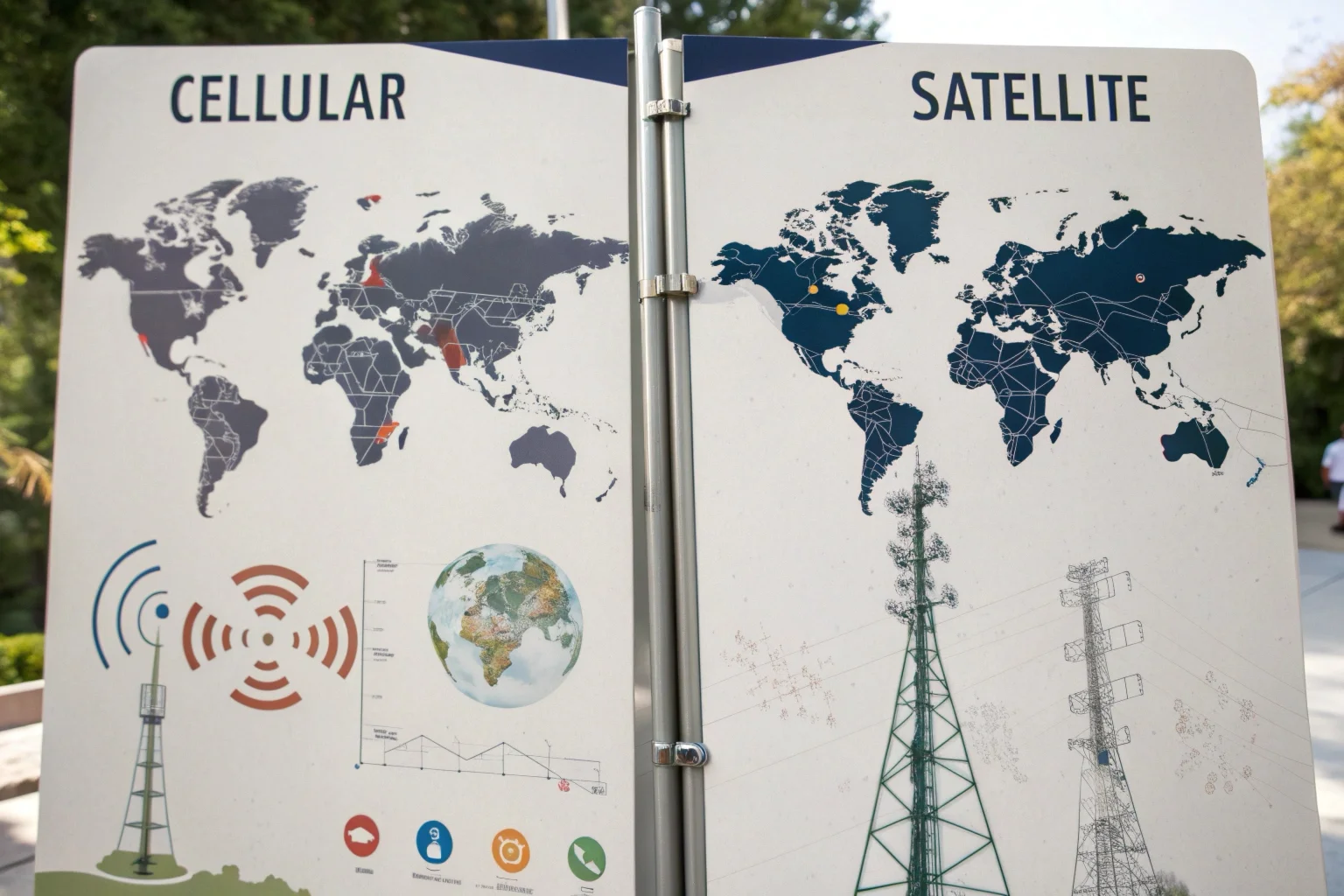
To make the right choice, you need to know the key differences between these two technologies. Cellular trackers are fantastic for fleets that operate in areas with reliable cell service. They are cost-effective and provide fast, real-time updates. However, if your assets travel through remote, rural areas or across oceans where cell towers are nonexistent, you need a satellite tracker. These devices communicate directly with satellites, ensuring you have a signal anywhere on the planet. I once worked with a client, Piotr, who managed high-value cargo shipments across Europe. He initially opted for cheaper cellular trackers but lost signal in the mountain passes between France and Italy. Switching to a hybrid device that used cellular with a satellite backup gave him the 100% visibility he needed to feel secure.
Cellular vs. Satellite Trackers
| Feature | Cellular GPS Tracker | Satellite GPS Tracker |
|---|---|---|
| Coverage | Relies on 4G/5G networks | Truly global, works anywhere |
| Cost | Lower hardware and data plan costs | Higher hardware and subscription costs |
| Best For | Urban and suburban fleets, regional transport | Cross-country, remote, and marine assets |
| Data Speed | Fast, real-time updates | Slightly slower update intervals |
What live tracker is the most accurate?
Your tracker's data shows a vehicle is on one street, but your driver says he's on another. Inaccuracy creates confusion and makes your expensive system useless for precise management. For true accuracy, you need a device that uses the best positioning technology available.
The most accurate live trackers are those equipped with multi-constellation GNSS (Global Navigation Satellite System) receivers. These devices don't just rely on the American GPS system; they also use signals from Europe's Galileo, Russia's GLONASS, and China's BeiDou. This provides location accuracy down to just a few meters.
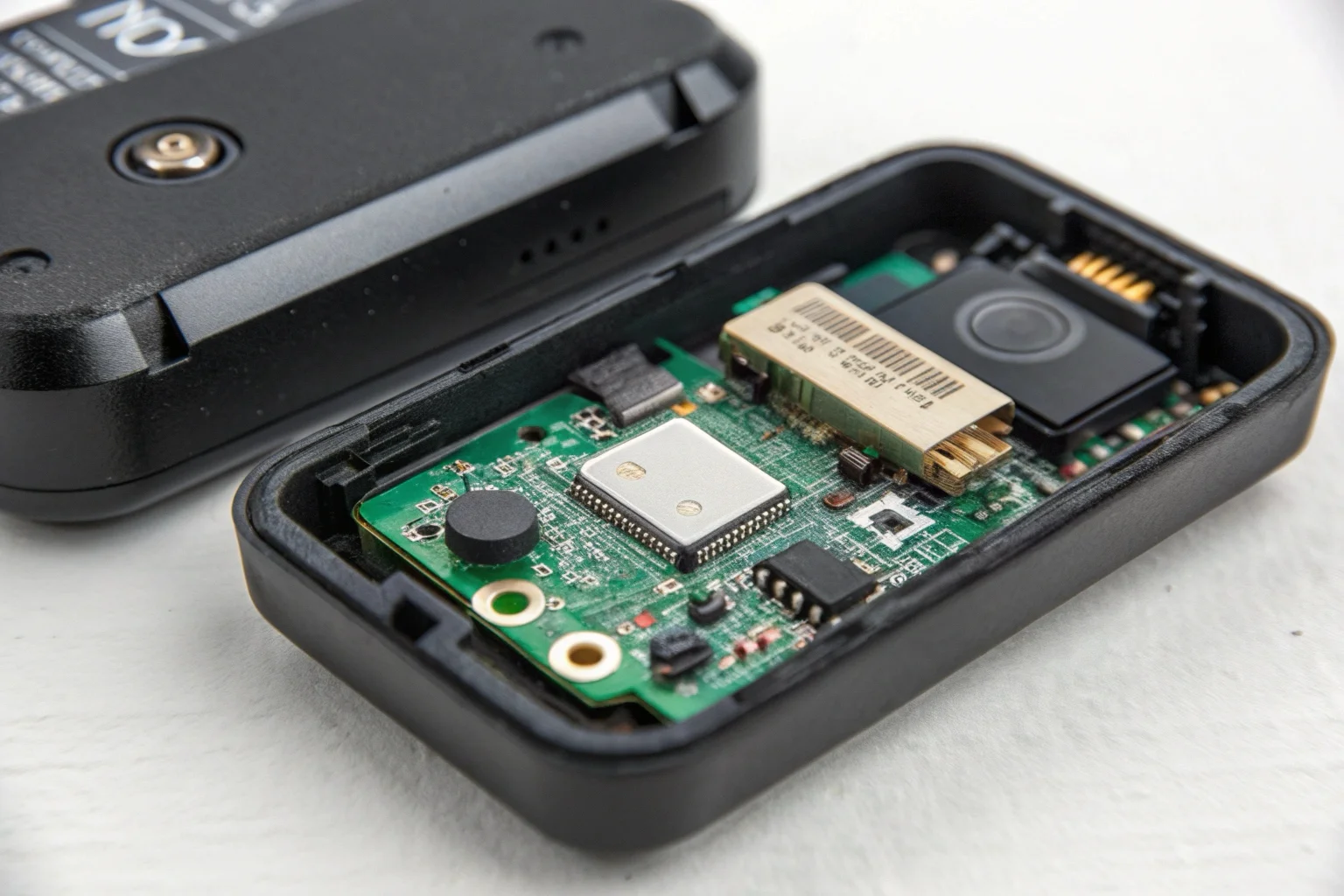
Let me break it down. Think of each satellite system as a different group of people you can ask for directions. If you only ask one group (GPS), you might get a good answer. But if you can ask four groups at once (GNSS), you can cross-reference their information to find your exact position with incredible confidence. This is especially important in "urban canyons," where tall buildings can block signals from some satellites. A multi-constellation receiver has more satellites to choose from, so it’s less likely to lose its lock on your position. Just as with the discreet security cameras we specialize in, where pixel-perfect clarity is everything, pinpoint accuracy is the single most important feature for a professional tracking device. It's the difference between knowing which street a truck is on and knowing which specific loading bay it's backing into.
How to find the best GPS tracker supplier?
You found a supplier online with incredibly low prices, but something feels off. Choosing the wrong supplier can lead to unreliable hardware, zero customer support, and even data privacy issues. The best approach is to treat it as a long-term partnership, not a one-time purchase.
To find the best supplier, you must look beyond the product and focus on trust and reliability. Check for verifiable certifications like CE and ROHS, demand transparency on data security, and partner with a company that provides excellent, accessible support. A local warehouse is a game-changer.

I've built my business, QZT, on this very principle. Many of my clients, like Agnieszka from Poland, are experienced e-commerce owners. They know that the bitterness of poor quality remains long after the sweetness of low price is forgotten. For them, verifiable CE certification isn't just a bonus; it's a legal requirement to sell in the EU. They need a supplier who doesn't just promise quality but proves it. This is why having our warehouse in Italy is so crucial [2, 4]. It means my European clients get their orders fast, have a local point of contact, and can even handle returns without international shipping headaches. When you're vetting a supplier, ask them hard questions. How do you handle quality control? What are your warranty terms? Can you provide technical documentation for your DIY / Tuya / OEM modules? A good supplier welcomes these questions; a bad one avoids them.
Supplier Vetting Checklist
- Certifications: Are CE, ROHS, and other relevant certificates genuine and verifiable?
- Support: Do they offer responsive technical and after-sales support in your time zone?
- Logistics: Do they have a local presence, like a warehouse in your region (e.g., Italy for EU)?
- Reputation: Can they provide case studies or references from clients in your industry?
- Transparency: Are they open about their manufacturing process and data security policies?
Conclusion
Choosing the right fleet technology comes down to three things: finding a device that fits your needs, understanding that range and accuracy depend on the underlying tech, and picking a supplier you can trust for the long haul.
Ready to partner with a supplier who prioritizes quality and local service? I'm Taylor Li, and at QZT, we believe in building lasting relationships based on trust and certified products. For your security and tracking needs, contact our team today to see how we can help.

 English
  Italiano
  Deutsch
  Français
  Español
  Polski