
Worried you're being watched by a hidden camera? The feeling is unsettling, but finding the source can be hard. I will show you how to find cameras, even in smoke detectors.
To spot a hidden camera in a smoke detector, look for a tiny, perfectly circular pinhole lens. Shine a flashlight on the device; a camera lens will reflect the light back at you. Also, check for small memory card slots or unusual blinking lights, which are not normal features.
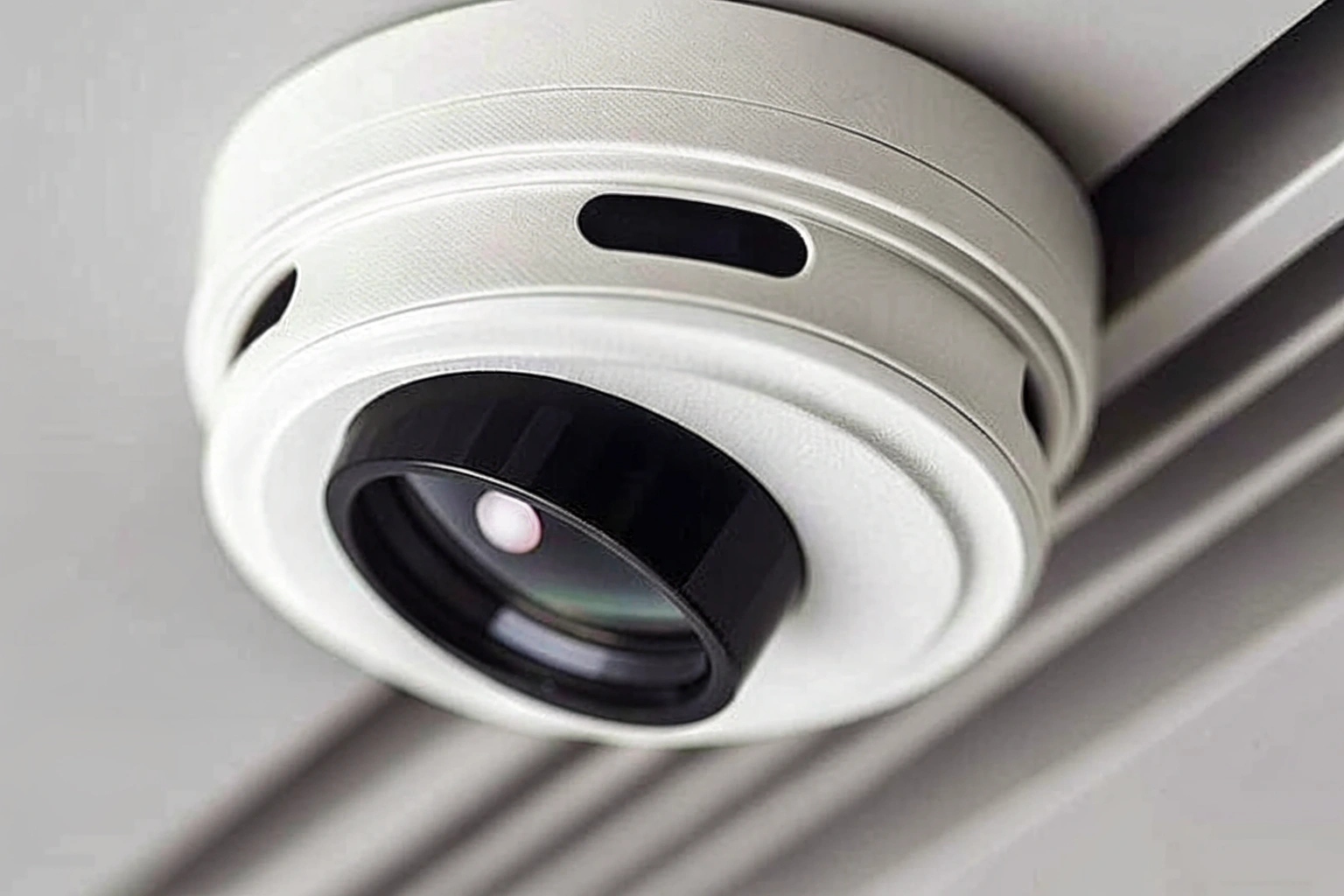
Learning to spot these signs is the first step. I have been in the hidden camera business for about 20 years, since around 2005. I've seen it all, and many customers worry about the camera's video quality. But the biggest problem is getting caught while trying to gather evidence. This can lead to much bigger trouble than just losing your recording. That's why I focus on products that are completely discreet. Now, let’s go deeper into what you need to know to protect yourself and make smart choices.
What Do Hidden Cameras Commonly Look Like?
You think you found one camera, but what if there are more? Hidden cameras can be anywhere, not just in smoke detectors. Learning their common forms is key to protecting your privacy.
They are often disguised as everyday items you would never suspect. Think about phone chargers, digital clocks, water bottles, or even clothes hooks. The main thing to look for is a small, perfectly round black hole where the lens is hidden. It looks out of place if you inspect it closely.
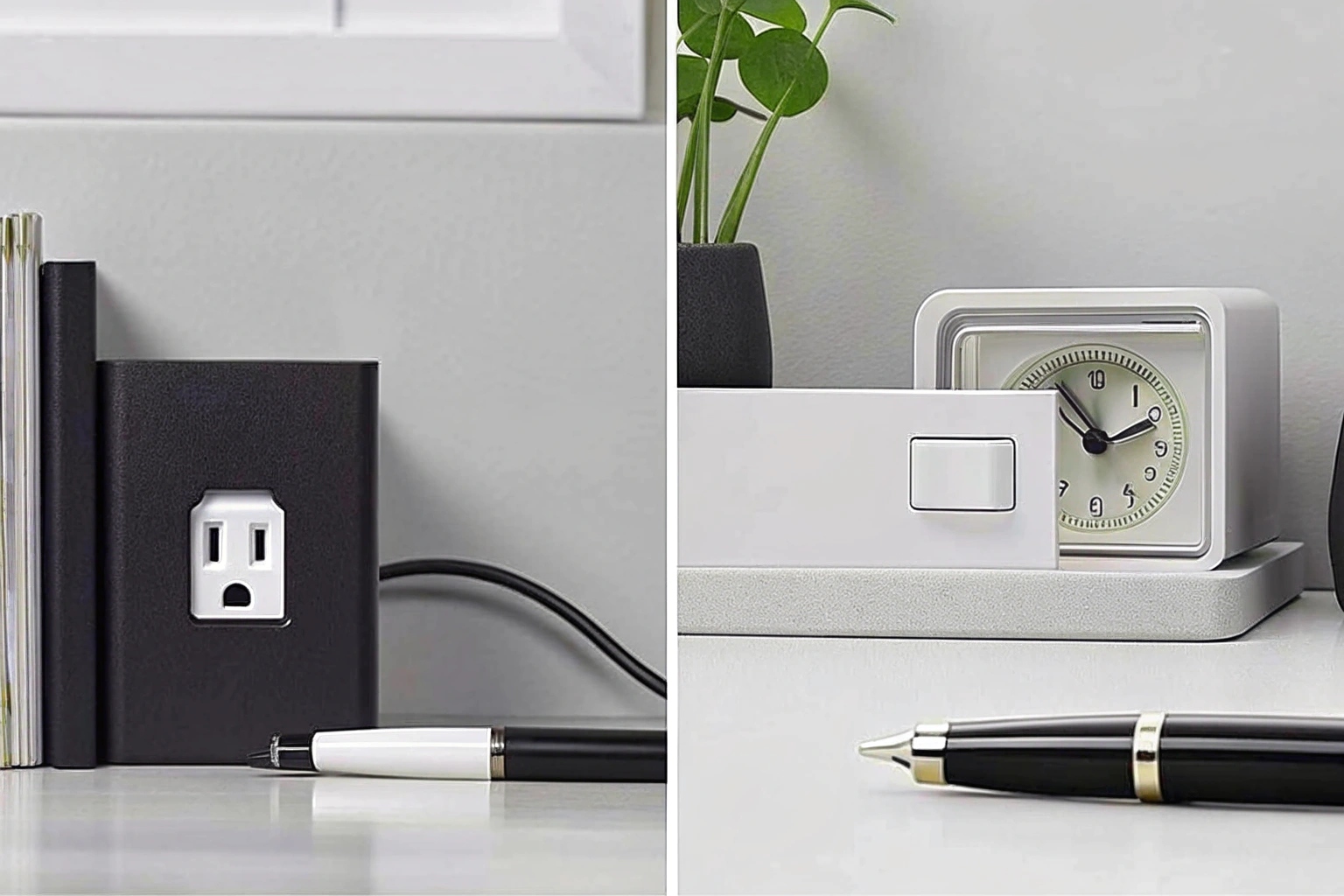
Over my years in this business, I've worked with many B2C e-commerce store owners like Piotr Nowak from Poland. He is very experienced and knows his customers want products that blend in perfectly. These items are effective because they fit naturally into their environment. A USB charger is always plugged into a wall, giving it constant power. A clock sits on a shelf with a clear view of the room. These are not objects you would normally inspect. We, as manufacturers, have to think about this carefully. We design products for specific uses. For my clients in Europe, who value quality and reliability, creating a clever disguise is as important as the electronic components inside. It’s about building trust, both in the product and in our partnership.
Common Disguises for Spy Cameras
To help you understand better, here is a breakdown of common camera disguises. I always explain these details to my distributors, so they can be experts for their customers.
| Object Category | Common Items | Why It's an Effective Disguise |
|---|---|---|
| Electronics | USB Chargers, Power Banks, Clocks | These items are always "on" and placed in strategic locations. No one questions a charger in an outlet. |
| Office Supplies | Pens, USB Drives, Calculators | They are small, portable, and common in meetings or offices. A pen on a desk is completely normal. |
| Home Goods | Clothes Hooks, Photo Frames, Air Fresheners | These objects are part of the decor. You see them every day but never really look at them closely. |
| Personal Items | Water Bottles, Glasses, Key Fobs | These items are carried with you, making them ideal for recording on the go. My S820 glasses are an example of this. |
Are Spy Camera Detectors Actually Effective?
You can find many spy camera detectors for sale online, and they promise peace of mind. But do they really work, or do they just give you a false sense of security?
Yes, some detectors work, but you need to know which type to use. RF (Radio Frequency) detectors are good for finding cameras that transmit a wireless signal. However, they won't find devices that only record to a memory card. Lens detectors work differently by spotting the reflection from any camera lens.
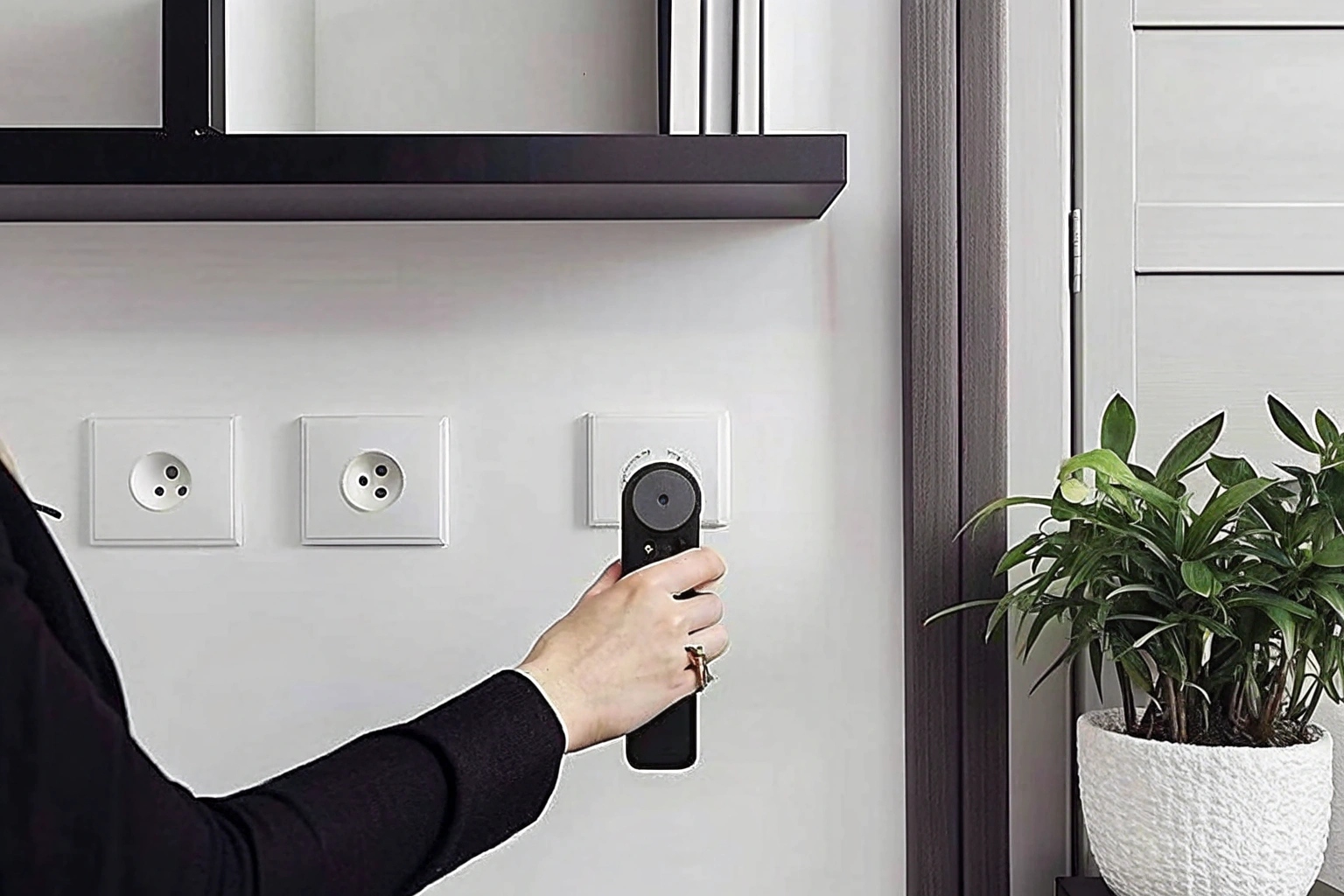
Let me explain this from my experience. I was talking with a client from Italy, Sossa Larsso. He runs a successful e-commerce site and is very cautious. He wanted to offer detectors to his customers but was worried about their reliability. I told him that for a smoke detector, an RF detector is almost useless. The smoke detector has its own electronics, so the RF detector will likely beep and give a false positive. It creates confusion, not clarity. For this situation, a different tool is much better. Many hidden cameras in smoke detectors have night vision. This is a weakness. The night vision uses infrared (IR) LEDs that are invisible to the human eye but can be seen with a special viewer or even some phone cameras. A good lens detector uses flashing red lights to make any camera lens, even a tiny one, flash back at you. It’s a simple and very effective method that works whether the camera is on or off.
Types of Spy Camera Detectors
It's important to choose the right tool for the job. Here is a table that compares the two main types of detectors.
| Detector Type | How It Works | Pros | Cons |
|---|---|---|---|
| RF Detector | Scans for radio frequencies (like Wi-Fi or 4G) sent by wireless cameras. | Effective at finding live-streaming cameras. Can scan a room quickly. | Useless for wired or record-only cameras. Many false alarms from routers, phones, and microwaves. |
| Lens Detector | Uses flashing bright LEDs. You look through a red filter to see the reflection from a camera lens. | Finds any camera lens, whether it's on, off, wired, or wireless. Very reliable. | You have to scan the room slowly. You must be relatively close to the object to see the reflection. |
For my serious B2B clients who care about non-negotiable quality, like Agnieszka Daniel in France, understanding this difference is key. They need to provide real solutions, not just sell gadgets.
Do Hidden Cameras in Smoke Detectors Also Record Audio?
Finding a hidden camera is a big shock. But it's natural to then wonder if it's also recording your private conversations. This is a very important question.
The answer is yes, most hidden cameras can record audio. The microphones are tiny and easily built into the device along with the camera. However, they typically do not have a speaker for two-way talking. A talking smoke detector would be strange and would instantly give itself away.
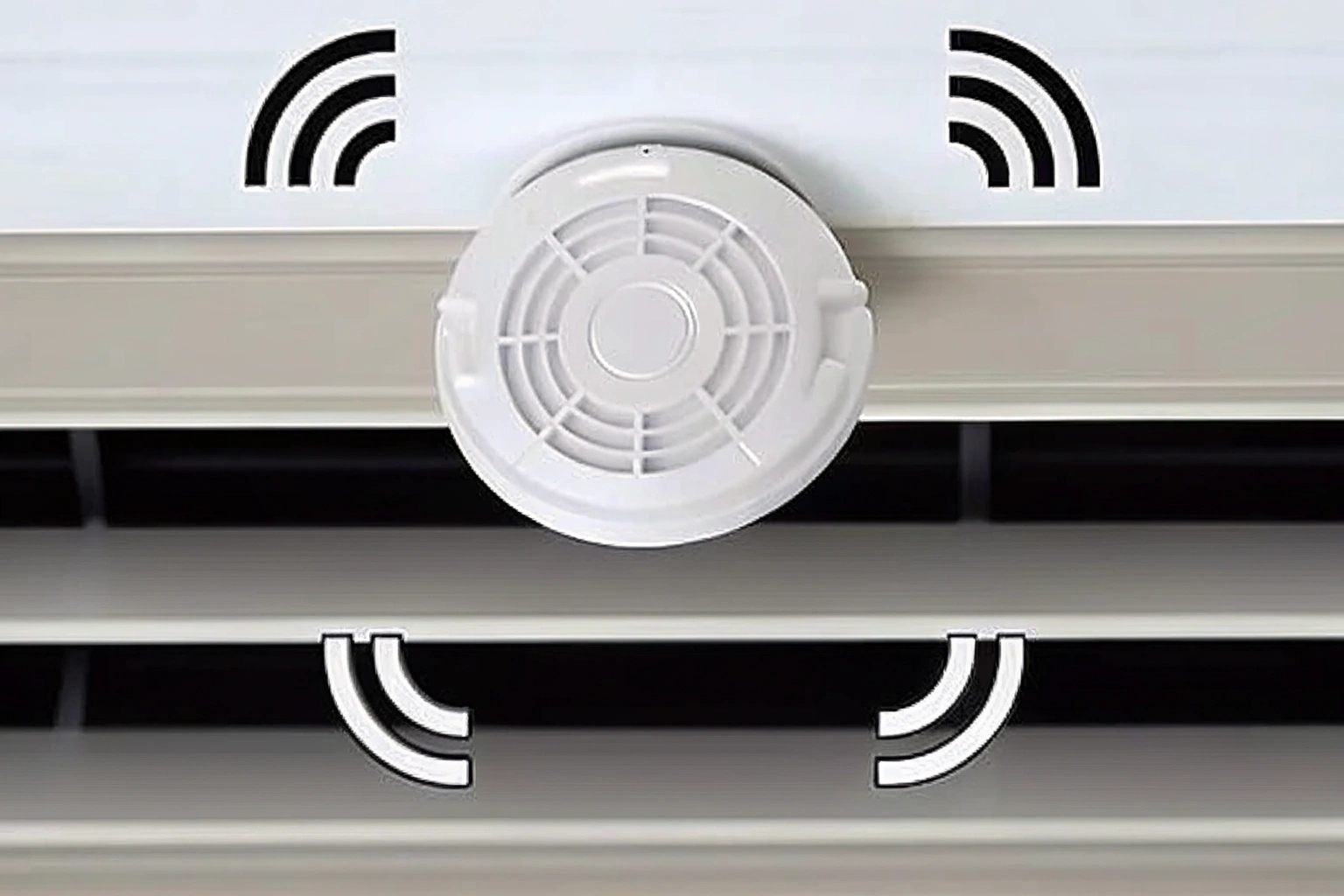
This is a topic I discuss frequently with my European distributors. In many countries, recording audio without consent is illegal and has serious consequences. My clients, who are legitimate business owners like the ones I work with in Italy and Poland, must be very careful about this. They need products with proper CE and ROSH certifications, but they also need to understand the laws in their markets. As a manufacturer in China with a factory in Vietnam and a warehouse in Italy, my company QZT is focused on compliance. We make sure our products meet these strict standards. I’ve had some customers ask for cameras with two-way audio. We are evaluating this, but it’s a niche request. For most evidence-gathering situations, silence and discretion are the most important features. The goal is to record without being noticed. A strange voice coming from a smoke detector defeats the whole purpose of it being hidden.
Understanding Audio Recording in Covert Devices
The distinction between a microphone and a speaker is fundamental.
- Microphone: A tiny component that captures sound waves and converts them into an electronic signal for recording. It is passive and makes no noise. Almost all of our hidden camera models include a microphone.
- Speaker: A component that converts an electronic signal back into sound waves so you can hear it. This is needed for two-way communication. It makes the device much less discreet and is rarely included in spy products.
I build long-term partnerships with my clients. They trust me because I am transparent about what my products can and cannot do. A successful entrepreneur in this field needs more than just a low price; he needs reliability and expertise from his supplier. That is what my brand, QZT, stands for.
Conclusion
Staying aware is your best defense against hidden cameras. By carefully checking for lenses, using the right detection tools, and understanding the technology, you can effectively protect your privacy.

 English
  Italiano
  Deutsch
  Français
  Español
  Polski