
Getting clear, reliable audio evidence can be tough. You worry if the recording is detailed enough for legal needs, but also if you have enough storage space. It feels like you always have to sacrifice one for the other.
As a specialist in secure recording devices, I've found the key is balancing bitrate with smart features. For most evidence needs, a bitrate of 192kbps is a great starting point. It gives you clear audio without filling up your storage too quickly, ensuring you capture everything you need.
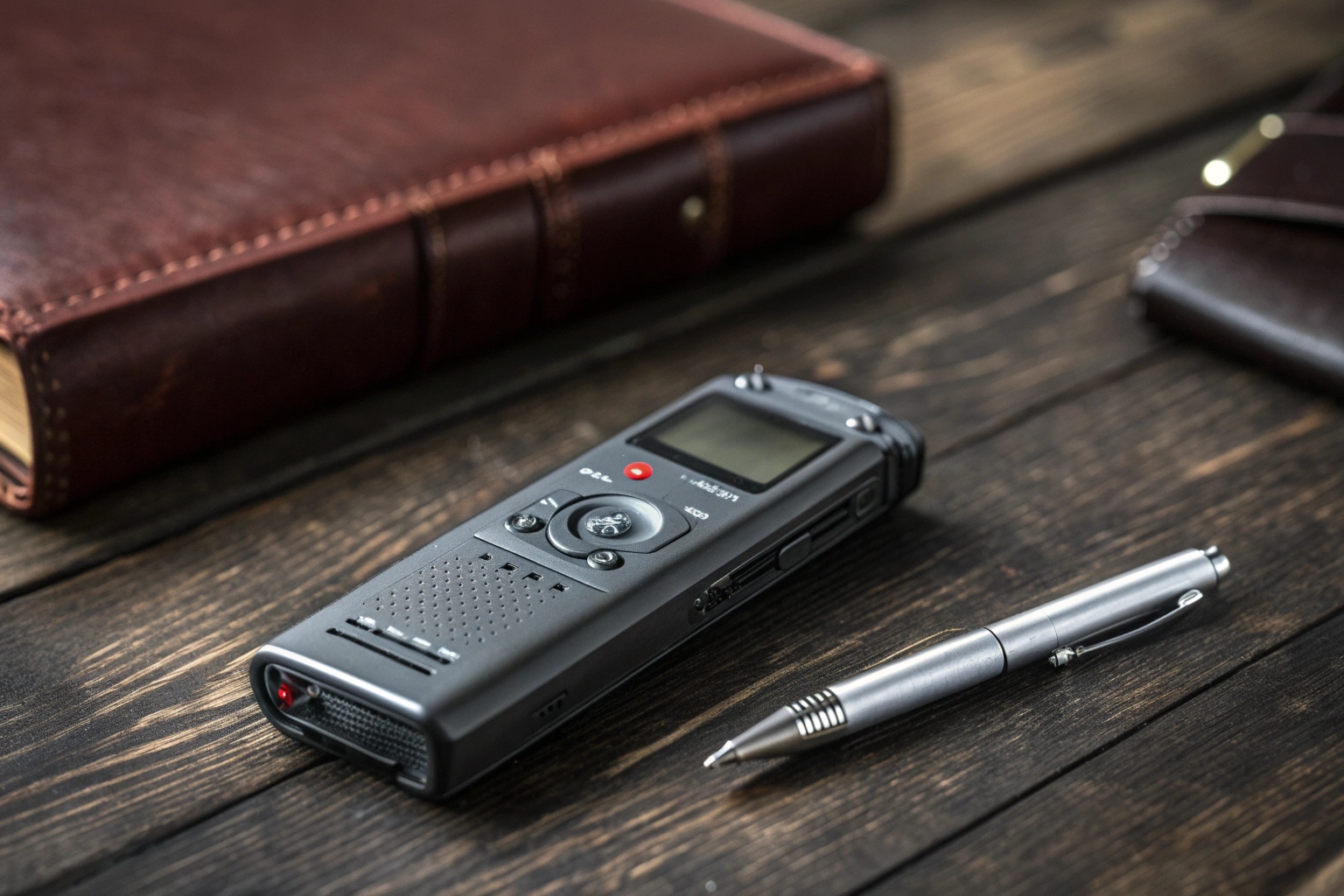
My work is helping professionals get the right tools for secure and clear audio capture. I understand that for people like Piotr Nowak, who run successful e-commerce stores, reliability isn't just a feature—it's the foundation of their business. They need products that work every time, backed by real certifications. This guide comes from years of helping clients find that perfect balance in their field equipment. Let's dive into the details that matter.
How do I choose the right Bitrate for evidence integrity versus storage capacity?
You need recordings that stand up as evidence, but your device's memory is always limited. This pressure often forces you to choose between high quality and long recording times, creating a constant risk of missing crucial information.
The best approach is to match the bitrate to your specific need. A higher bitrate captures more audio detail, which is vital for evidence. However, this creates larger files. Understanding the trade-offs is key to making the right choice for every situation.
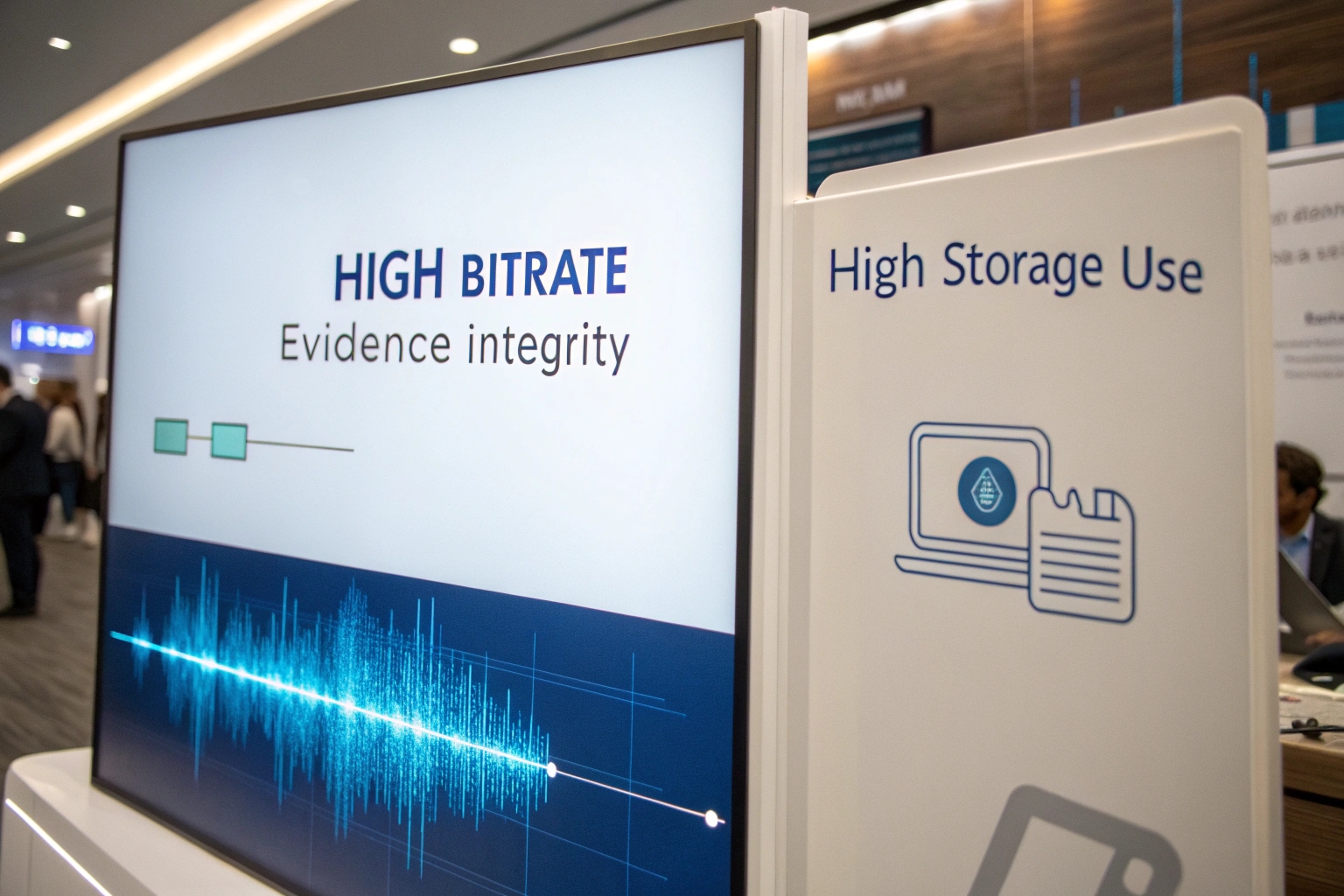
When I first started helping clients in Poland, many were using low bitrates to save space. They thought it was fine until one of them, a private investigator, lost a crucial piece of evidence because the audio was too compressed and unclear. That experience taught me a valuable lesson: storage is temporary, but the need for clear evidence is permanent. The key is finding the sweet spot. For my European clients, I always explain that bitrate, measured in kilobits per second (kbps), is the amount of data used to create the audio file. More data means more detail. For example, our C17 model can record at an uncompressed 1536kbps. This is perfect for forensic analysis where every single sound matters. But it also uses a lot of space. On the other hand, our popular Q70 recorder uses 192kbps, which is fantastic for clear interviews and long meetings without creating massive files. I've put together a simple table to help my clients like you decide.
| Bitrate | Audio Quality | Storage Use (Approx. per hour) | Best For | QZT Model Example |
|---|---|---|---|---|
| 192kbps | Clear Voice | 85 MB | Interviews, meetings, general evidence | Q70, ZD46 |
| 256kbps | High-Clarity Voice | 115 MB | Noisy environments, multi-person talks | S1 |
| 1536kbps PCM | Uncompressed Audio | 690 MB | Forensic-grade evidence, legal proceedings | C17, S10 |
For a 32GB device like the C17, that means you can store about 47 hours of the absolute highest quality audio. But with a model like the ZD58 at 192kbps, its 16GB of storage can hold around 192 hours of recording. It is a trade-off, but now you have the data to choose correctly.
What parameters ensure a digital recorder captures clear vocals in noisy environments?
Recording a conversation in a crowded cafe or a windy street can feel impossible. The background noise often drowns out the important voices, making your recording useless for evidence or transcription. This can compromise an entire case.
To get clear audio, you need more than just a standard microphone. Look for recorders with features like high sensitivity microphones and Voice Operated Recording (VOR). These technologies are designed specifically to focus on human speech and cut out distracting background noise.

I remember working with a client in France, Agnieszka Daniel, who needed to record business negotiations in loud restaurants. Her old devices always picked up clattering dishes and other conversations, making playback a nightmare. The solution was not just about turning up the volume; it was about using smarter technology. I introduced her to our L169 digital recorder, which features an omnidirectional microphone and Voice Operated Recording (VOR). VOR is a simple but brilliant feature. The recorder automatically pauses when there is silence and starts again when it detects speech. This means you don't have to listen through hours of useless background noise. It saves battery, storage space, and a lot of your time. Our S8 Watch Voice Recorder also has this feature, making it incredibly discreet and efficient. The other key factor is the microphone itself. A model like our A7 uses a three-direction microphone system. This allows it to capture sound from a wider area, which is great for meetings. But for noisy places, the microphone's ability to focus on the frequency of the human voice is what truly matters. This ensures that even with background noise, the speech remains the clearest part of the recording.
What features of a digital recorder ensure my recordings are secure, easy to manage, and have accurate timestamps?
You've captured the perfect recording, but now you face new problems. How do you find the exact file you need? How can you prove when it was recorded? And how do you keep the files secure from tampering?
The best professional recorders solve these problems with specific features. Look for devices with automatic timestamping, simple one-key operation, and easy file transfer options like a Type-C port. These features make your workflow smooth and your evidence credible.
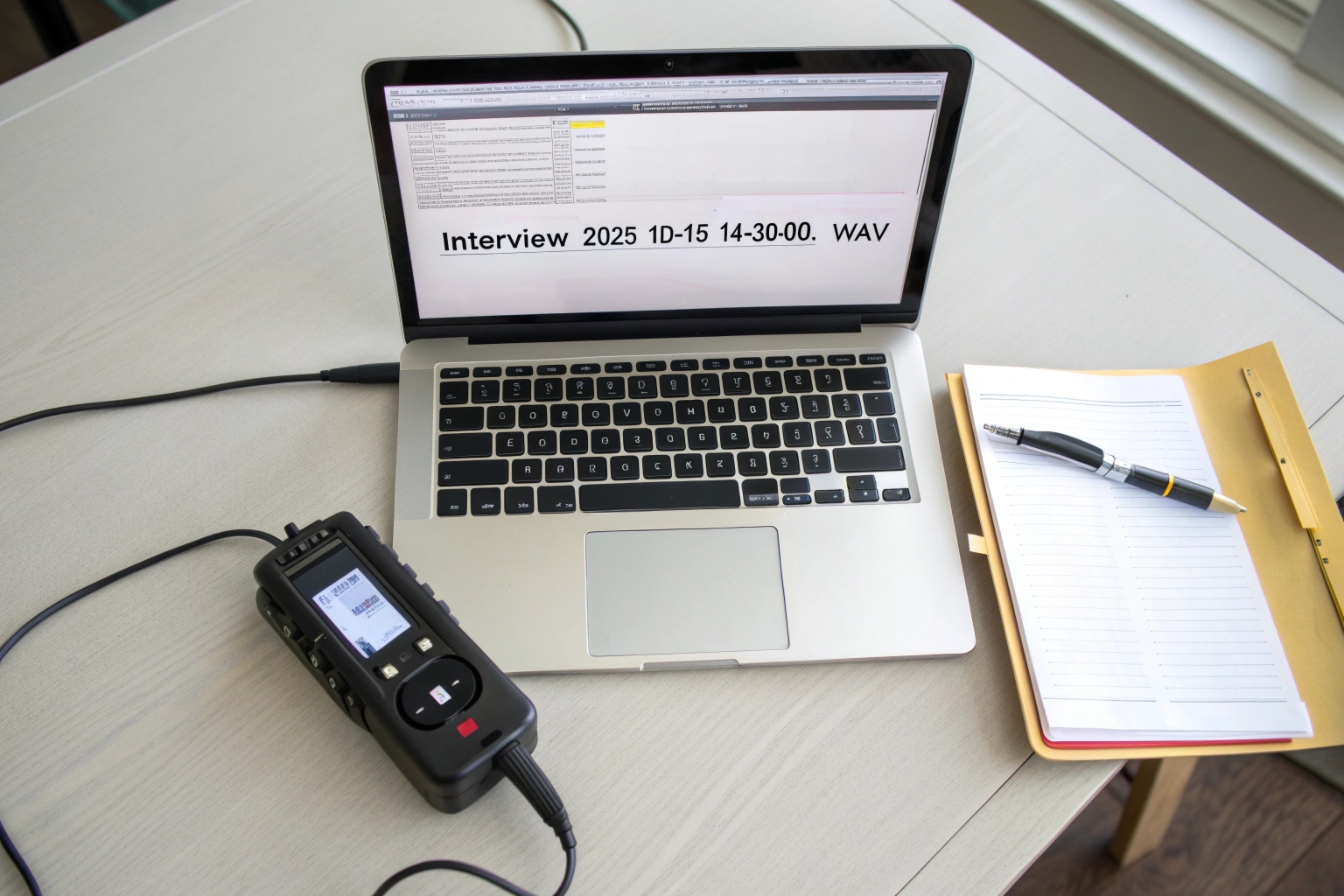
When dealing with clients who handle evidence, like Sossa Larsso in Italy, the conversation always turns to trust and proof. A recording without a reliable timestamp is just a conversation; with a timestamp, it becomes evidence. That is why models like our ZD58 are so valuable. They automatically embed the date and time into the file data. This is a small detail that can make a huge difference in a legal setting. It makes the recording verifiable. But features need to be easy to use in the field. Imagine trying to navigate a complex menu to start a recording in a tense moment. It’s not practical. That’s why many of our devices, from the S8 watch to the M1 Key recorder, use a simple one-key recording function. You just slide one switch, and it starts. No lights, no sounds. It's discreet and foolproof. Then there’s file management. In the past, you needed special cables and software. Now, with our C17 recorder, you get a Type-C port. You can connect it directly to your phone or computer to listen, manage, or transfer files instantly. This simplicity saves time and removes technical headaches, which is something every busy professional appreciates.
What hardware specifications ensure reliability in the field?
You depend on your equipment to work when it matters most. A device that fails due to a short battery life, a fragile body, or damage from a small drop can ruin an entire operation. This makes you lose trust in your most important tools.
To avoid this, you must focus on the physical build of the recorder. A strong metal body, like one made from zinc alloy, provides durability. A high-capacity battery ensures long working hours, and a compact design makes it discreet and easy to carry anywhere.
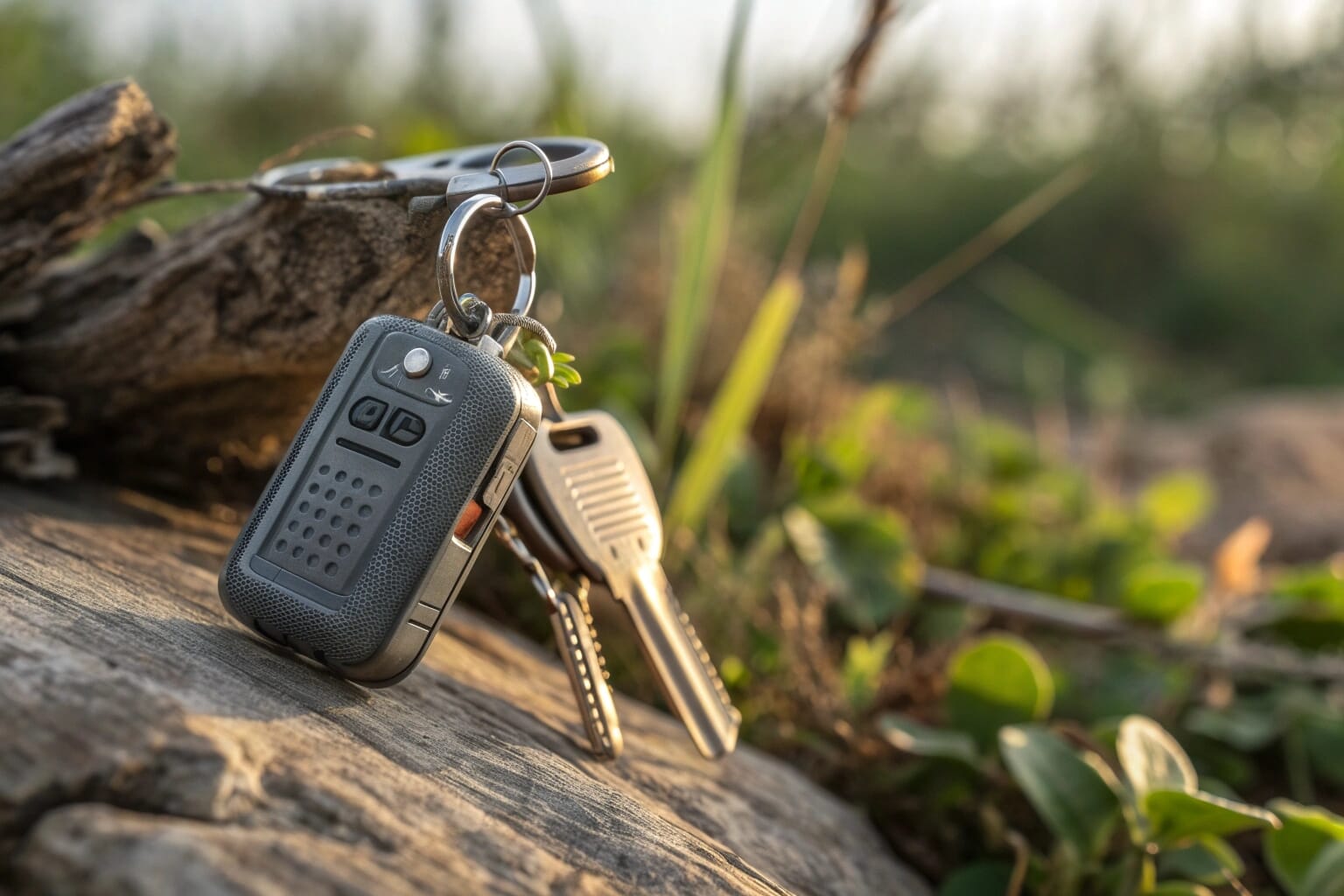
Reliability is the number one reason my long-term clients in Germany and Poland keep coming back. They know our products are built to last because we choose our materials carefully. For example, several of our keychain and watch recorders, like the S8 and Q11, are made with a zinc alloy chassis. This is not just for looks. It provides real protection against drops and impacts that plastic-body recorders just cannot handle. It feels solid and professional because it is. Then there is the battery. It must have enough power for long days in the field. Our Q70 model is a great example; it can record for about 500 hours on a single charge. This is the kind of performance that gives you peace of mind. You can focus on your job without constantly worrying about your battery level. And finally, the design must fit the job. A device can be tough, but if it is too big or obvious, it's not useful. That's why we focus on making our products discreet, like the X20 recorder which is only 5cm long and weighs 10 grams. It's about building a professional tool that is tough, long-lasting, and practical for real-world situations.
Conclusion
Choosing the right recorder is about matching its technical specs—bitrate, microphone, and hardware—to your specific needs. With the right knowledge, you can confidently select a device that delivers both evidence integrity and reliability.

 English
  Italiano
  Deutsch
  Français
  Español
  Polski