
Choosing the wrong hidden camera risks your security and business. Low-quality devices fail when you need them most, costing you much more than just the initial price.
Commercial-grade hidden cameras offer superior reliability, better image quality, and a robust build for professional use. Consumer models are cheaper but often lack the durability, consistent performance, and essential security certifications needed for business applications.

This difference is something I see every day. I'm Taylor Li, and at QZT, we specialize in high-quality surveillance devices. Many of my clients, like Piotr from Poland, are successful e-commerce owners. They learned early on that saving a few dollars on a cheap camera isn't worth the risk. A camera that fails to capture clear evidence is useless. That's why they come to us. They need reliable equipment that works every time, backed by genuine certifications and a supplier they can trust. Let's explore what separates a professional tool from a cheap gadget, so you can make an informed choice for your own business.
What are the disadvantages of cheap spy cameras?
Tempted by a low price on a spy camera? That cheap deal could lead to blurry footage, dead batteries, and zero useful evidence when you actually need it.
Cheap spy cameras often have poor image quality, unreliable performance, and very short battery life. They usually lack crucial certifications like CE/ROHS and can have serious security flaws, making them a risky choice for any important use.
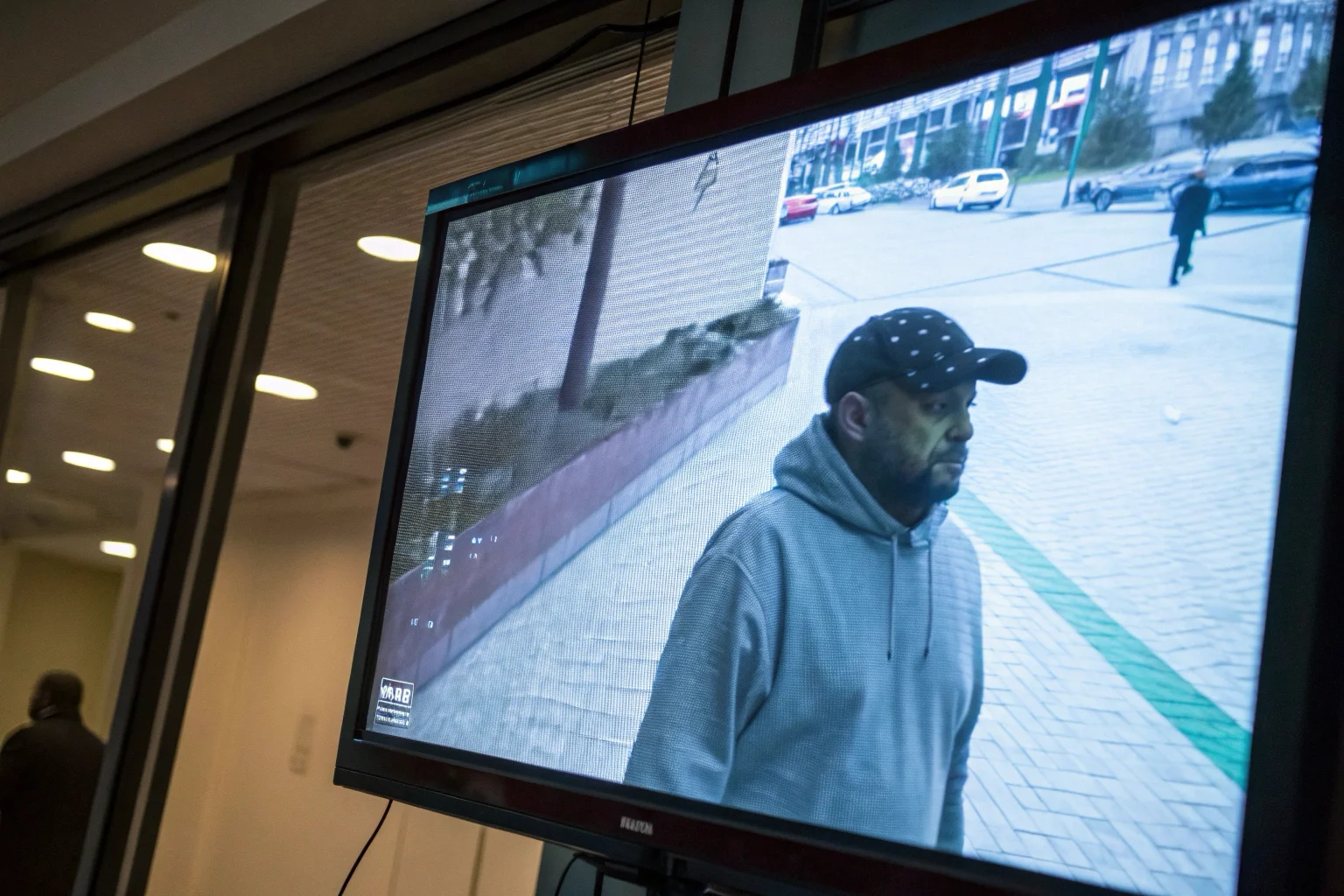
When you buy a cheap spy camera, you are often buying a list of problems. I've heard stories from new clients who were burned by these devices before finding us. The issues usually fall into a few key areas that make the camera almost useless for professional security. The biggest issue is that what is advertised is often not what you get. We've seen clients complain that a camera listed as 4K is actually only 1080P [5]. Even when the resolution is correct, the image quality can be poor due to a cheap lens or sensor, as some customers have noted with models like the H20 [4]. Reliability is another major pain point. A client in Romania experienced a massive 14% return rate on a cheap socket camera, which is a huge headache for any business [4]. These problems show why choosing proven general spy cameras from a trusted source is so important.
Key Weaknesses of Low-Cost Cameras
The problems with cheap cameras go beyond just image quality. Their overall construction and software are often an afterthought.
- Performance and Durability: They can overheat, the software can be buggy, and the physical materials are often flimsy. This means they might fail at a critical moment.
- Security Risks: Many cheap WiFi cameras have poor security, making them vulnerable to hacking. This could expose your private footage to outsiders, creating a bigger problem than the one you were trying to solve.
- Lack of Certification: They almost never have verifiable CE or ROHS certifications, which is a legal requirement for selling in the EU and a sign of quality and safety.
| Feature | Cheap Consumer Camera | Professional Commercial Camera |
|---|---|---|
| Advertised Resolution | Often exaggerated (e.g., 4K is really 1080P) [5] | Accurately stated and verified |
| Build Quality | Flimsy plastic, prone to overheating | Durable materials, designed for longevity |
| Certifications | Missing or fake CE/ROHS | Verifiable CE/ROHS certifications [1] |
| Reliability | High failure and return rates [4] | Low failure rates, consistent performance |
| Security | Vulnerable to hacking | Encrypted, secure connections |
Your business security is on the line. Picking a hidden camera based only on its price or appearance is a gamble that you can't afford to lose.
To choose the best hidden camera for business, you should prioritize video resolution of at least 1080P, proven reliability, and necessary certifications like CE/ROHS [1]. Also, carefully evaluate the supplier's reputation and their ability to provide after-sales support.
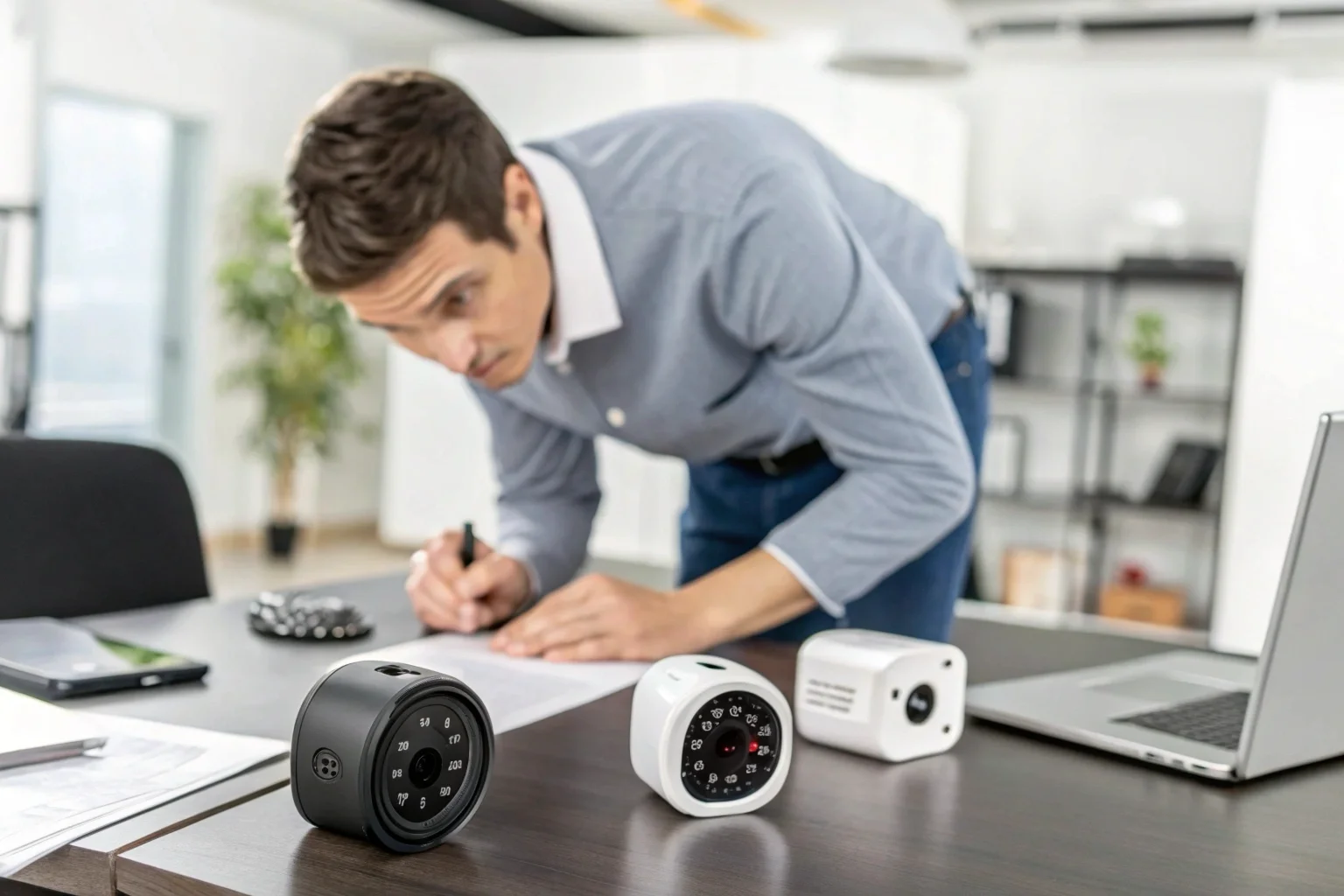
Choosing the right camera is about building a foundation of trust. My most successful clients, who run multi-million dollar e-commerce stores, are extremely cautious. They know that their reputation depends on the quality of the products they sell. So, they don't just look at a spec sheet; they look at the entire picture. This means focusing on the core components that guarantee performance and safety. For any serious business application, you cannot settle for less than 1080P resolution. Anything lower, like 720P, might not capture the details you need, such as faces or text [1]. But resolution is just the start. You need to be sure the camera will perform consistently. This is where a supplier's reputation and transparency become critical. You should ask for evidence of their quality control processes and, most importantly, their certifications.
Your Checklist for a Business-Grade Camera
To make the right choice, I always advise my clients to follow a simple but effective checklist. This helps them cut through the noise and focus on what truly matters for their business needs.
- Verify Certifications: Always ask for CE and ROHS certificates. For a client like Piotr selling in the EU, this is non-negotiable. A serious manufacturer will provide these without hesitation. We ensure all our products, from clock cameras to more complex modules, meet these standards [1][6].
- Assess Build Quality: Ask about the materials used. Does the camera feel solid? A good supplier can explain the components they use and why they chose them for better performance and durability.
- Evaluate the Supplier: A reliable supplier is a partner. Do they have a local presence, like our QZT warehouse in Italy? This is a huge advantage for our European clients because it means fast shipping, easy returns, and responsive local support [4][7]. This builds a level of trust that you just can't get from a distant, faceless company.
| Consideration | What to Look For | Why It Matters |
|---|---|---|
| Resolution | Minimum 1080P Full HD | Provides clear, usable footage for identification. |
| Certifications | Verifiable CE/ROHS | Ensures product safety and legal compliance in the EU. |
| Supplier Support | Local warehouse, technical assistance | Fast delivery and reliable help when you need it. |
| Power Source | Long battery life or direct power option | Guarantees the camera is running when you need it. |
How long do mini spy camera batteries last?
Your camera's battery dies right before the critical moment. A dead spy camera is just a useless piece of plastic, offering zero protection or evidence for you.
Mini spy camera battery life can vary widely, from just over an hour to more than 25 hours on a single charge [1][2][3]. The working time depends on battery capacity (mAh), camera features like WiFi, resolution, and whether night vision is active.
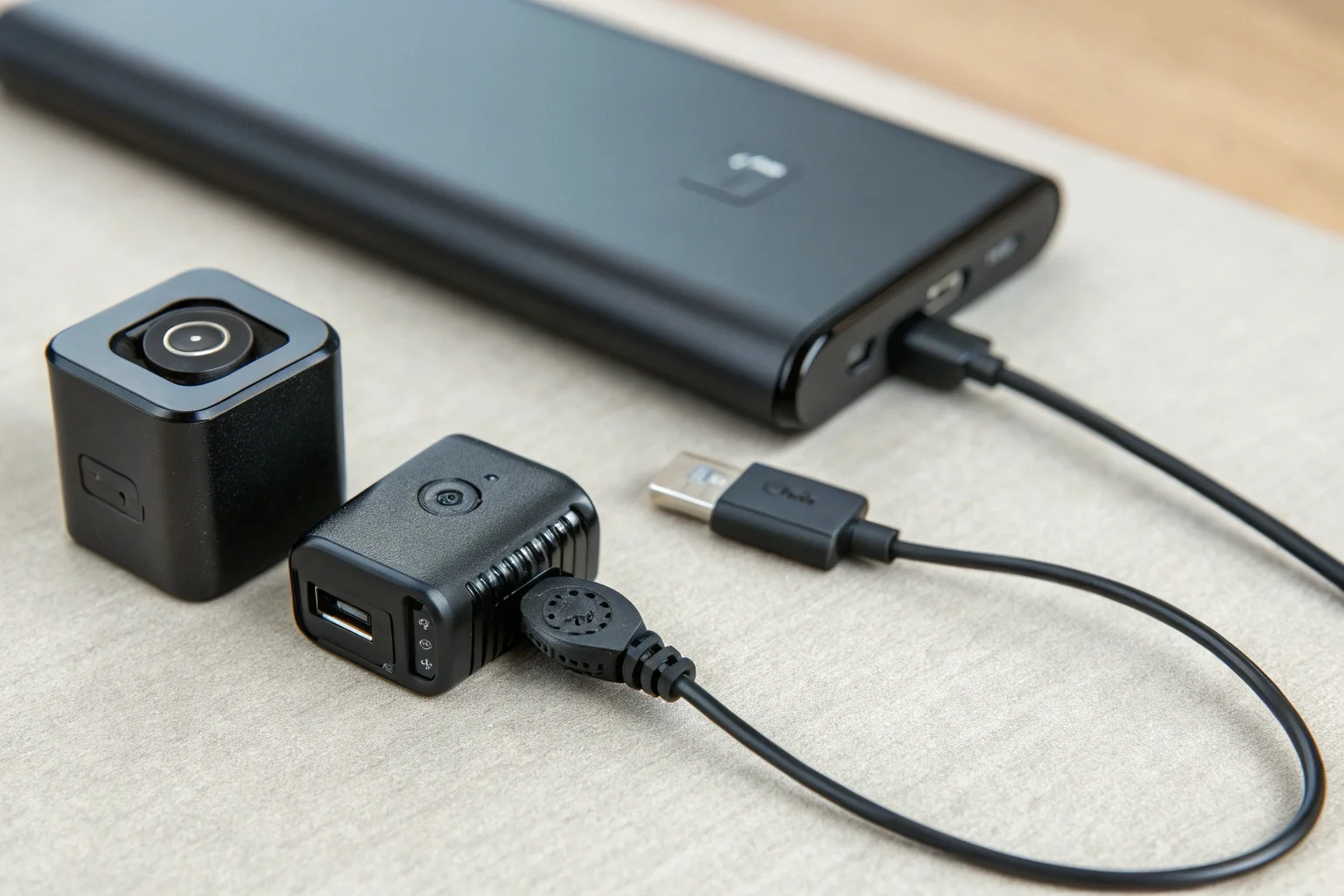
Battery life is one of the most common questions I get. The answer always depends on the specific model and how it's used. For example, a small, wearable camera like our W9 Pen Camera has a 170mAh battery and runs for about 75 minutes, which is perfect for short meetings [2]. A slightly larger model, the W8 Pen Camera, has a 350mAh battery and can record for 150 minutes, or two and a half hours [2]. For long-term surveillance where changing batteries isn't an option, you need a different solution. This is where models with much larger batteries come in. Our H20 WiFi Power Bank camera can run for 1500 minutes (25 hours) straight, and it also functions as a real power bank, making it incredibly discreet [3]. Another great long-term option is a device that plugs directly into a power source, like our popular charger cameras, which can record continuously without any battery concerns [1].
Understanding the Battery Life Trade-Offs
When choosing a camera, you have to balance size, features, and battery life. There is no single "best" option; it's about finding the right tool for the job.
- Size vs. Power: A larger battery provides longer recording time but also makes the device bigger and potentially harder to hide. A tiny camera will have a smaller battery and shorter life.
- Features vs. Power: Features like WiFi streaming and high-resolution recording consume more power. A simple DVR-style camera that only records to an SD card will generally have a longer battery life than a WiFi model that is constantly streaming video.
Here is a quick comparison of some of our models to show the range of options available:
| Model | Type | Battery (mAh) | Working Time (Minutes) | Key Feature |
|---|---|---|---|---|
| W9 Pen Camera [2] | Wearable | 170 | 75 | Very discreet, for short recordings. |
| W8 Pen Camera [2] | Wearable | 350 | 150 | Double the recording time of the W9. |
| C10 Module [6] | DIY Camera | 2800 | 300 - 420 | Flexible for custom installations. |
| H3 Power Bank [3] | Power Bank | 5000 | 1200 | Very long life, functional disguise. |
| SC02 Smoke Detector [1] | Stationary | N/A (large) | 1500 | Designed for long-term monitoring. |
How can you find a suitable spy camera manufacturer?
Finding a reliable supplier feels impossible. You waste time with manufacturers who offer poor quality, fake certifications, and no support, which puts your business at great risk.
You can find a suitable manufacturer by searching for specialists in your niche. You should verify their certifications (CE/ROHS), check for a local presence like a warehouse, and assess their communication and technical knowledge. A good partner values long-term relationships.
I've built my career on being the kind of partner my clients can trust for the long haul. Experienced buyers like Agnieszka in Poland don't just search for "cheap spy camera." They search for "professional hidden camera manufacturer Europe" or "CE certified mini camera supplier." They are looking for an expert, not just a reseller. The first thing a good partner will do is listen. We take the time to understand a client's specific market and needs. For example, if a client needs a camera with a specific protocol like RTSP and CE certification, we will give them a clear and honest answer about our capabilities [4]. This builds trust. Another key sign of a suitable manufacturer is their investment in local infrastructure. Our warehouse in Italy is a game-changer for our European clients. It means we can ship orders in two days, handle returns easily, and provide a level of service our competitors in China can't match [5]. It shows we are serious about the European market. Our custom DIY camera modules are a perfect example of our specialized offerings.
Questions to Ask a Potential Manufacturer
Before you commit to a supplier, you need to ask the right questions. Think of it as an interview for a long-term business partner. Here’s what I recommend asking:
- "Can you provide me with your CE and ROHS certificates for this product?" A simple yes or no is not enough. Ask for the documents and check the certification numbers to ensure they are legitimate.
- "What is your process for quality control?" A professional manufacturer will have a clear, multi-step process to test products before they are shipped.
- "Do you have a warehouse or support team in my region?" For clients in Europe, a local warehouse is a huge advantage for logistics and after-sales service [4][7].
- "What is your policy for defective products or returns?" A trustworthy supplier will have a fair and clear policy. We've helped clients manage return issues by providing technical support and replacement units, not just price cuts [4]. This approach protects their brand's reputation.
This process helps you separate the serious manufacturers from the traders who are just looking for a quick sale.
Conclusion
Choosing the right hidden camera is vital for your business. Prioritize quality, certifications, and a reliable supplier to ensure you're always protected. Ready to upgrade your security? Then contact our team today.

 English
  Italiano
  Deutsch
  Français
  Español
  Polski