
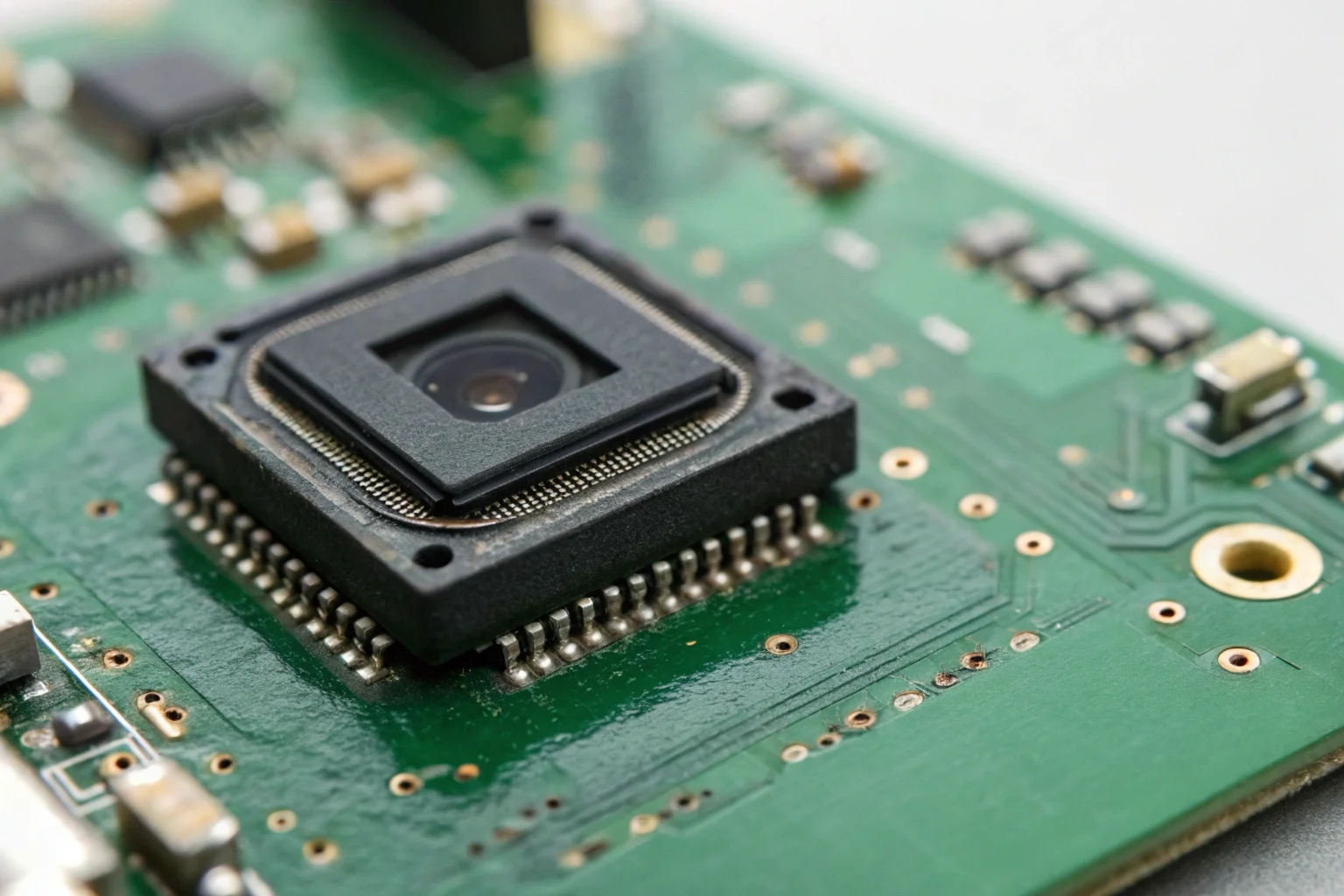
To compare WiFi security cameras, focus on the image sensor, chipset, and app stability—not just resolution. For reliability, verify CE/ROHS certifications, confirm the supplier has local EU warehousing, and prioritize their long-term stability over the lowest price.
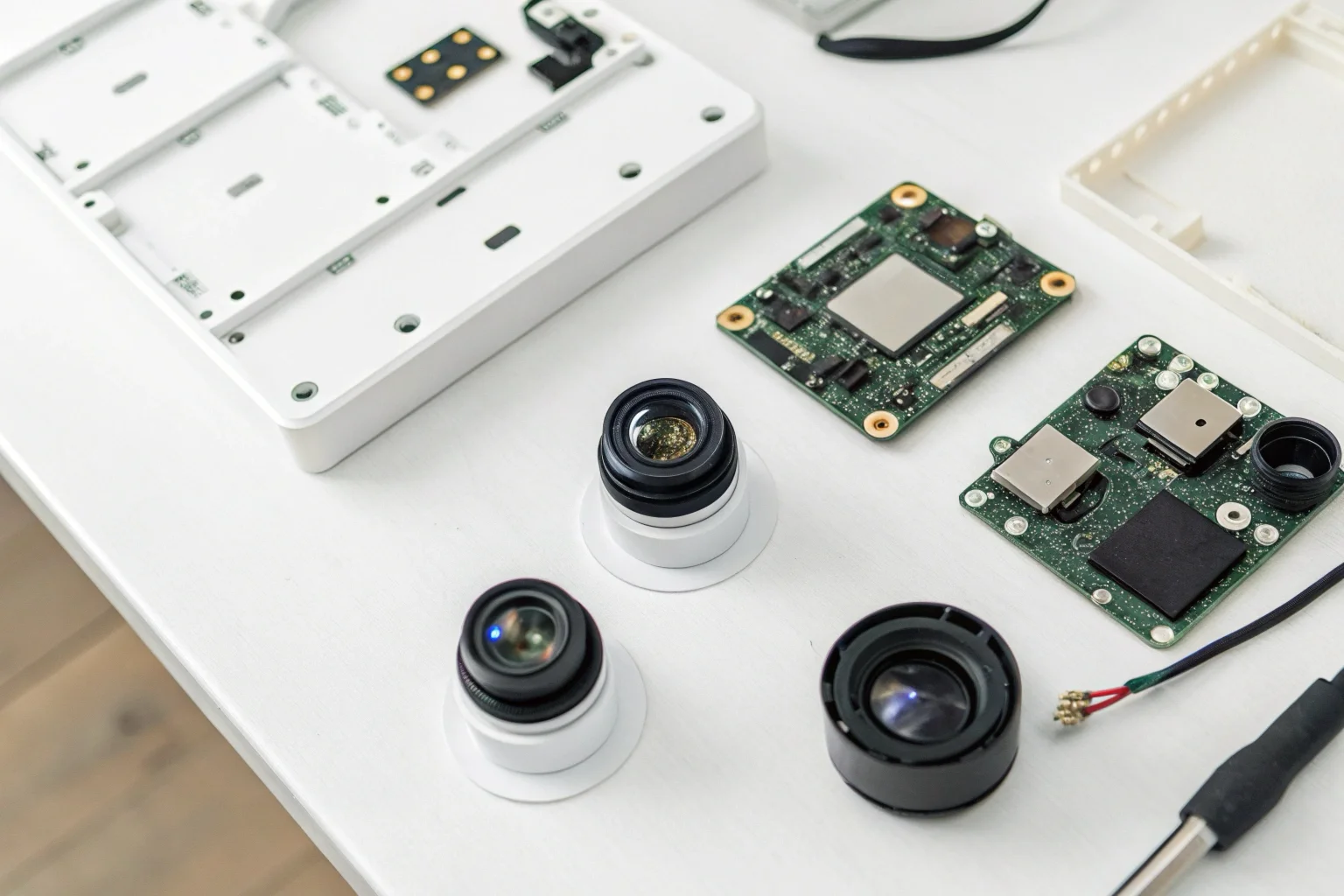
These core points are essential for making a sound investment. They form the foundation of a product you can trust and sell with confidence. Let's explore each area so you can evaluate suppliers and products like an expert.
What key features define a camera's quality?
Confused by long feature lists full of technical jargon? Worried you'll choose a camera that looks good on paper but fails in practice? I will show you the three core components that matter most.
Focus on the image sensor, the main chipset, and the stability of the companion app. These elements directly control video quality, connection reliability, and the end-user experience. Secondary factors include certifications and power options.
Dive Deeper into Core Components
Choosing the right camera is about understanding its internal architecture. Many factories use similar shells, but the quality of the components inside can vary dramatically. As a professional buyer, you need to look past the surface.
The Sensor and Chipset Are the Heart
The final video quality starts with the image sensor. A high-quality sensor produces clearer images, better colors, and superior performance in low light. Resolution numbers like "1080p" only tell you the image size, not its quality. The main chipset, or System on a Chip (SoC), is the brain. It processes the video, manages the WiFi connection, and runs the camera's features. A cheap chipset will lead to lag, dropped connections, and unreliable motion detection alerts. For example, we offer two versions of a popular camera module. One uses the Tuya platform, known for better pixel quality and a very stable app. The other is cheaper but has noticeably lower image quality. Both are sold as 1080p, but the user experience is completely different because of the components we choose.
The App Is Your Control Panel
A great camera with a bad app is a useless camera. The mobile application is how your customers will interact with the device every day. An unstable app that crashes or has a confusing interface will lead to returns and negative reviews. When we evaluate products, we spend a lot of time testing the app. Is it easy to connect the camera? Are remote viewing streams stable? Do notifications arrive instantly? We often recommend products that integrate with large, stable ecosystems like Tuya. Their network is reliable and their app is well-known, which gives end-users confidence.
Is a 4K security camera really better than 1080p?
Tempted by the promise of ultra-high-definition 4K? Worried that 1080p is becoming outdated? The reality of camera resolution is more complex than marketing materials want you to believe.
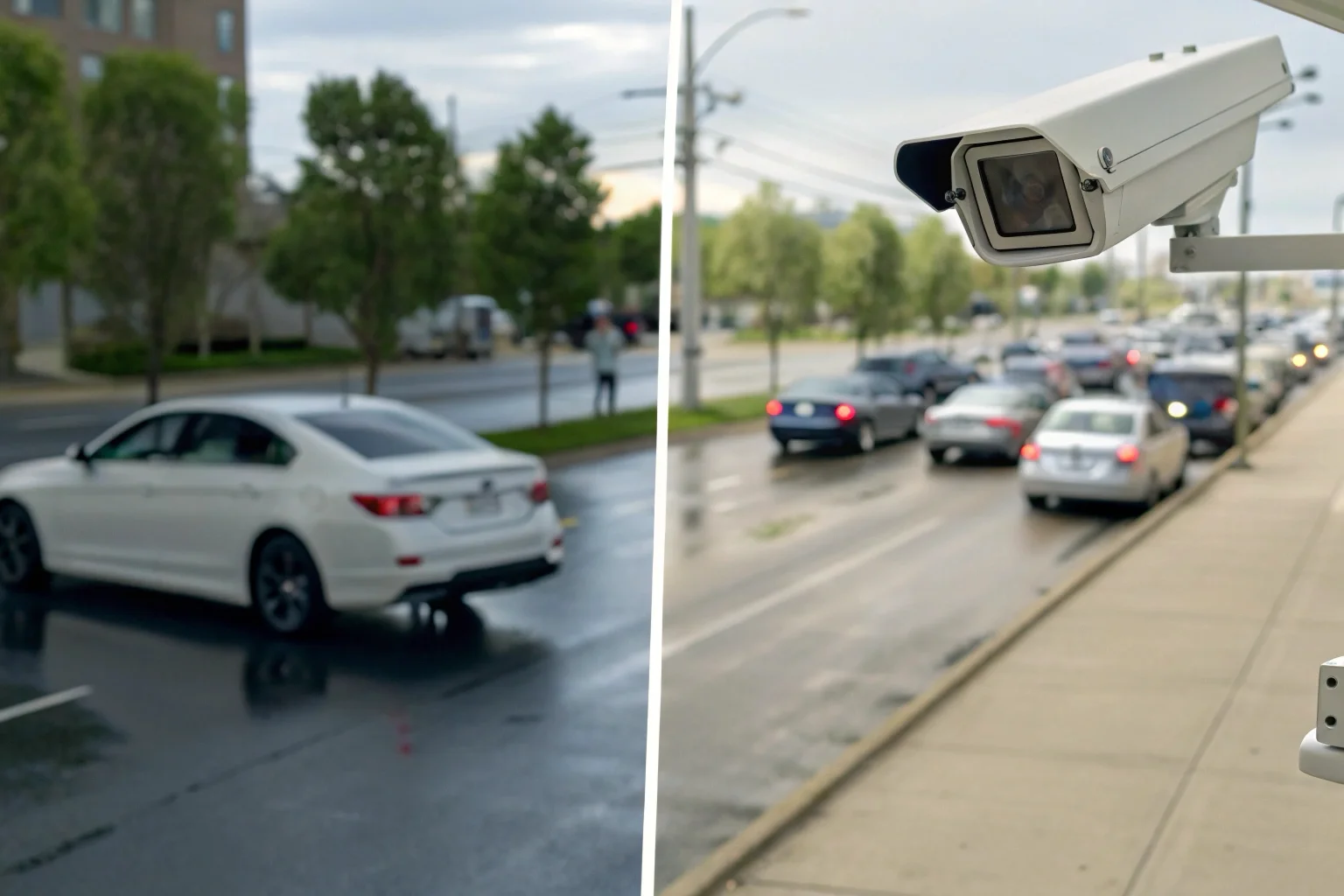
Not always. True 4K requires a large, high-quality sensor and a powerful processor. Many small "4K" cameras use a 1080p sensor and digitally stretch the image. This "interpolated" 4K offers no extra detail and is often worse than a quality 1080p image.
Dive Deeper into Resolution Claims
At QZT, we get many requests for 4K hidden cameras. However, we believe in being transparent with our partners. The truth is, the technology for true, reliable 4K in a compact device is not yet mature for mass production.
The Widespread Problem of "Fake 4K"
The security camera market is filled with products that claim 4K resolution but use a technique called interpolation. They take a 1080p or 2K image and use software to enlarge it to 4K dimensions. This adds no real detail; it just makes the file size bigger and can make the image look blurry or digitized. We once had a client complain that a camera advertised as 4K on a marketplace was actually 1080p. This is a common issue called "pixel interpolation" (虚标, or false labeling). A good 1080p camera with a quality sensor will always outperform a fake 4K one. You can find more details on our range of proven https://q-z-t.com/camera/ modules.
Technical and Practical Tradeoffs
Even if a small camera had a true 4K sensor, there are other challenges. 4K video generates much more data, which requires more storage space and uses significantly more WiFi bandwidth. This can strain a typical home or small business network. The processor also has to work much harder, which creates more heat. In a small, enclosed camera, this heat can cause instability and shorten the device's lifespan. This is why we currently tell our partners that a 4K upgrade is not technically feasible yet. We prefer to sell a stable, reliable 1080p product than a risky, unstable 4K one.
How do I select a reliable camera supplier for my business?
Are you sourcing cameras to sell under your own brand in Europe? Worried about compliance, customs delays, and poor after-sales support? The supplier you choose is as important as the product itself.
Prioritize suppliers with genuinely verified CE and ROHS certifications. For the European market, choose a partner with a local EU warehouse. This ensures fast delivery and simple after-sales service. Finally, focus on building a long-term, stable relationship.
Dive Deeper into Supplier Selection
For a professional buyer, the supply chain is everything. A cheap price means nothing if the products are seized at customs or if your supplier disappears after the sale. We built our business model to solve these specific problems for our European partners.
Certification and Compliance Are Mandatory
In the EU, CE and ROHS certifications are not optional. They are legal requirements. Many low-cost suppliers provide fake certificates or documents that don't apply to the actual product. This creates a huge risk for your business. We invest in genuine, verified compliance for our products. This ensures that when you import our cameras, they will pass customs without issues, allowing you to sell them legally and safely in Italy, Poland, France, and across the EU.
The Strategic Advantage of an EU Warehouse
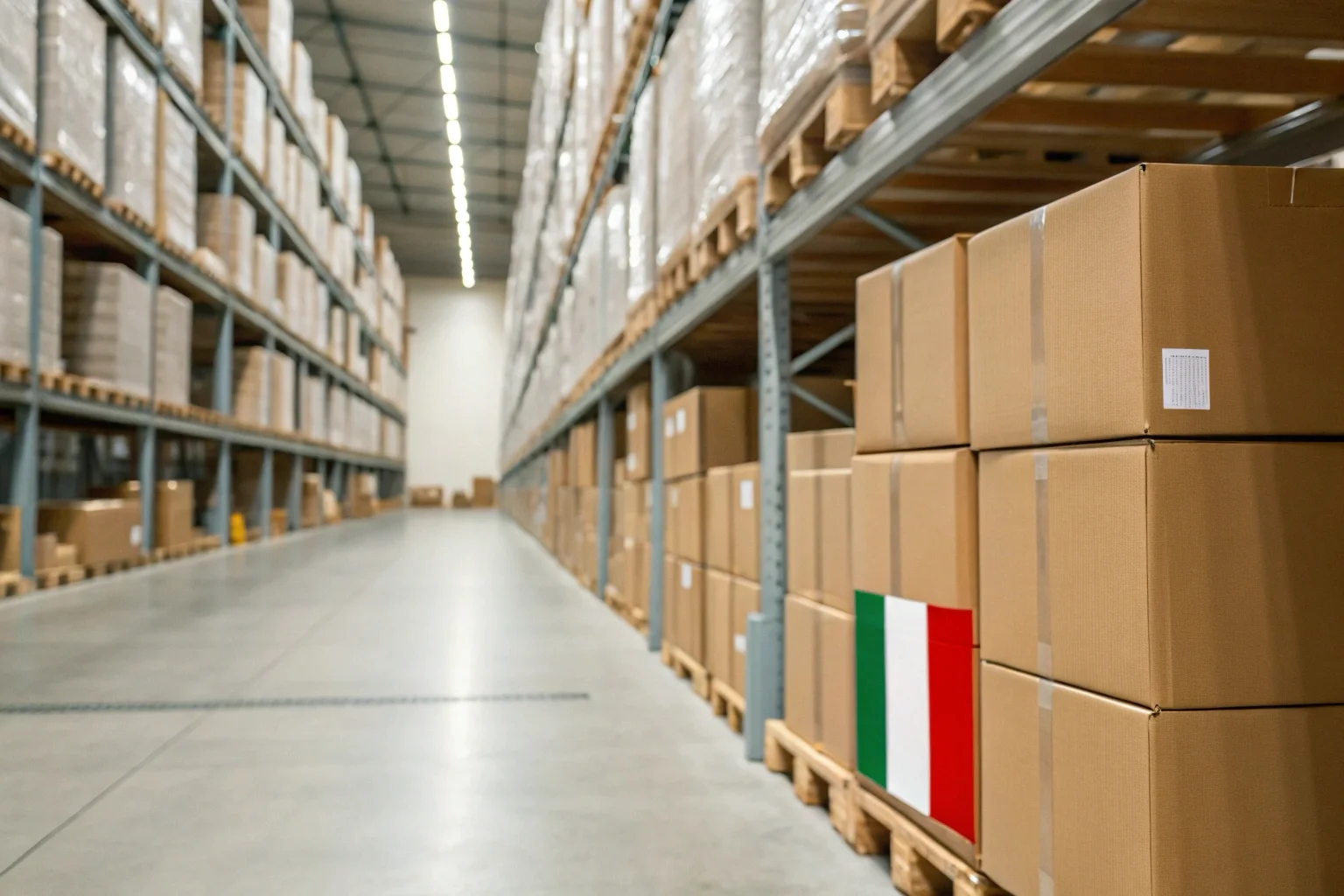
Logistics can be a major headache. Shipping from China can be slow and unpredictable, with risks of customs delays and high import taxes. This is why we established a team and a warehouse in Italy. For our European clients, this is a game-changer. We can ship orders directly from Italy, often delivering within a few days. It also makes handling returns or technical support much simpler and faster. This local presence shows our commitment to the European market. It provides the stability that serious businesses need.
A Partnership Mindset Over Price Wars
Our goal is to be a long-term partner, not just a supplier in a price war. We are transparent about our product capabilities and limitations. We focus on mid-to-high-end quality that you can confidently sell under your own brand. We have seen many buyers get burned by chasing the lowest price, only to receive poor quality products and no support. We work with both experienced sellers and those just starting, providing the stable foundation they need to grow.
Conclusion
To compare cameras, look at the sensor, chipset, and app. For your business, choose suppliers with real certifications, local warehousing, and a commitment to quality.

 English
  Italiano
  Deutsch
  Français
  Español
  Polski