
Einleitungsabsatz: Struggling with high return rates and unstable generic apps when sourcing micro cameras? Integrating mini cameras shouldn't mean gambling your hard-earned reputation. Securing your supply chain with a reliable partner changes everything.
Auszug aus dem Absatz: Prototyping micro cameras requires precise specifications, including true 1080p resolution, stable Wi-Fi modules, and low power consumption. Excellent prototyping demands reliable components and tested firmware. Understanding technical limits, effective transmission range, and GDPR-compliant placement ensures your B2B surveillance solutions are both effective and legally sound.
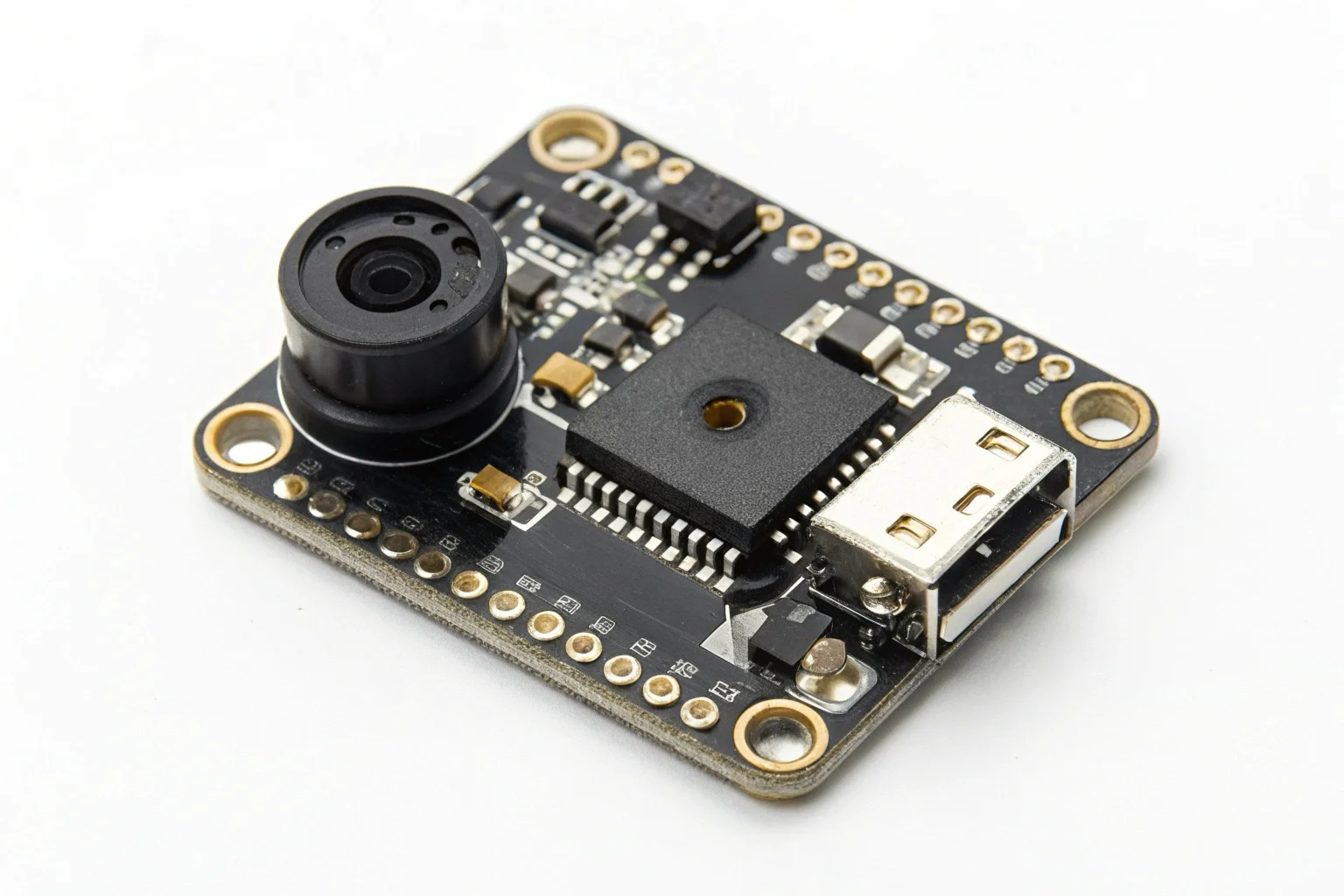
Übergangsabsatz: Hello, I'm Taylor Li. Over the years, I’ve transitioned from managing the fast-paced factory floors in Shenzhen to overseeing QZT's local assembly and technical QA teams right here in Italy. I've seen first-hand how a minor miscalculation in a prototype can lead to massive headaches at customs or a disastrous batch of returns. Let’s grab an espresso and dive into the gritty details of micro camera specifications, prototyping, and how to build a product that your European customers will trust.
What Specs Matter When Prototyping With Micro Cameras?
Leading sub-paragraph: Are your prototypes failing basic quality checks or suffering from blurry visuals? Choosing the wrong sensor or battery configuration during the initial phase will cripple your final product's market viability.
Snippet sub-paragraph: When prototyping micro cameras, the most critical specs are true resolution (minimum 1080p), stable power consumption, heat dissipation, and app integration compatibility. Focusing on a reliable Wi-Fi module, like those from Tuya, ensures long-term operational stability.
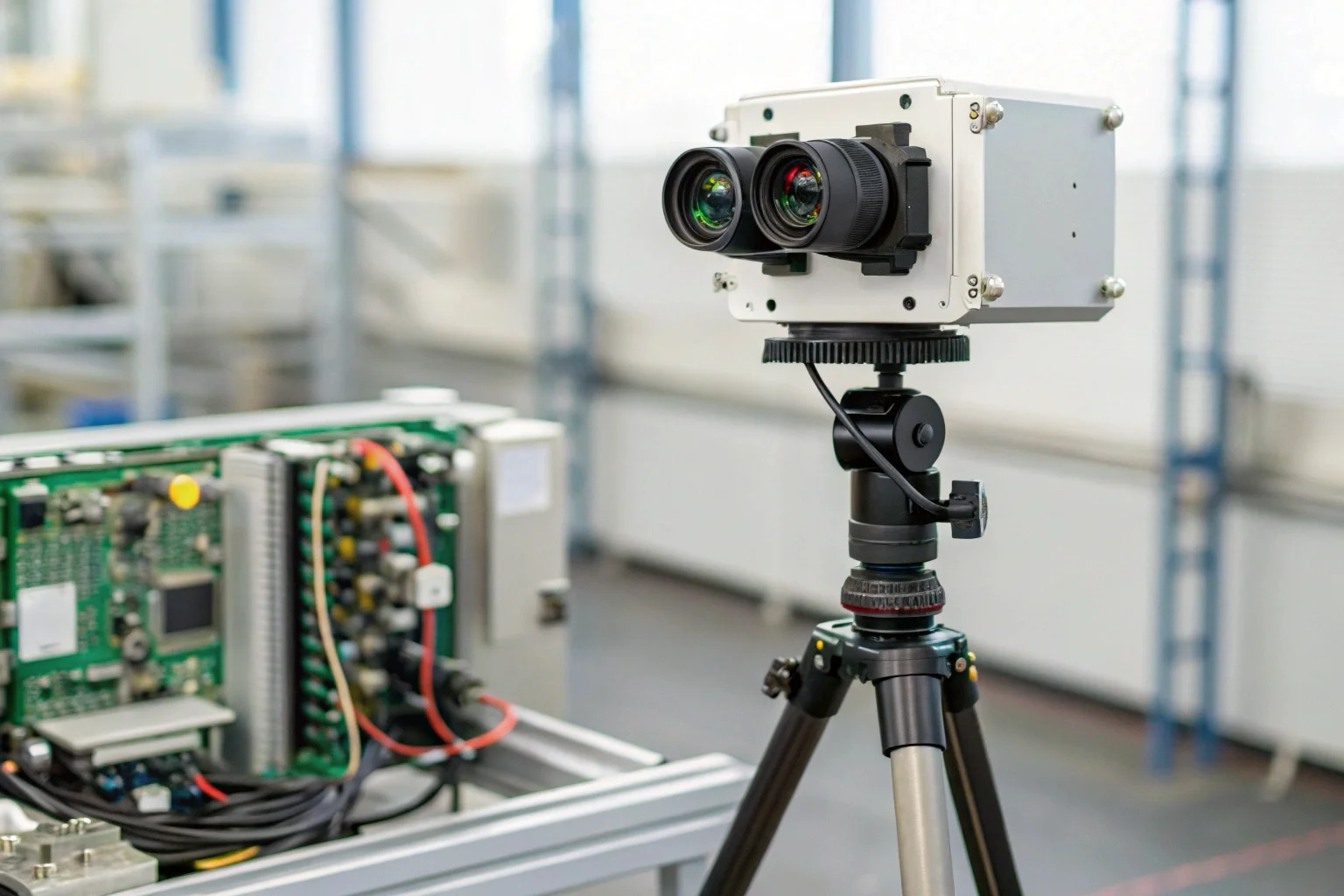
Dive Deeper: When my team and I sit down with premium European retailers, the first conversation is always about raw specifications versus real-world performance. It’s easy to print "4K" on a box, but if the heat dissipation isn't engineered correctly, the module will throttle and degrade the image within minutes. For a solid prototype, you must focus on true 1080p sensors that can handle varying light conditions without pixelating.
I recall a recent situation where a prominent European e-commerce client experienced pixel inconsistencies with a competitor's generic module. We intervened by prototyping a custom solution using a high-grade Tuya module. We strictly mapped out the battery capacity against the required standby time. Furthermore, we ensured full compliance with CE standards right from the drafting board. If you ignore CE or RoHS certifications during prototyping, you will face severe customs blockages. I always advise our partners to prioritise component stability over flashy, unverified claims. It saves you from costly post-sales support and protects your brand's integrity.
How Do Mini Cameras Work in Professional Setups?
Leading sub-paragraph: Do your customers complain about complex setups or disconnected streams? A lack of understanding of a camera's internal architecture often leads to poor integration and frustrated end-users.
Snippet sub-paragraph: Mini cameras capture light through a micro-lens onto a CMOS sensor, converting it into a digital signal. This data is processed and compressed, then transmitted via an integrated Wi-Fi module to a cloud server or local app for real-time viewing.
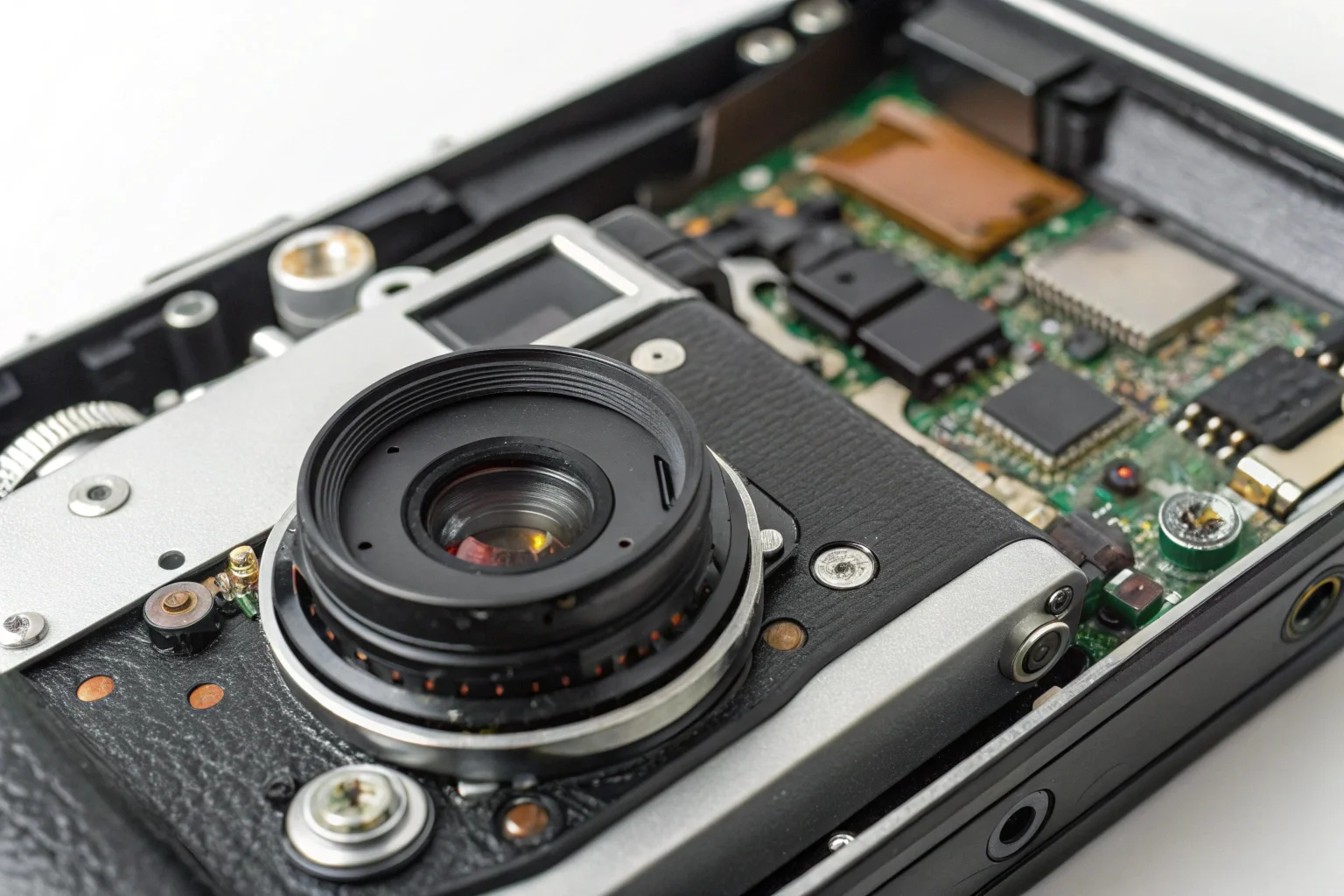
Dive Deeper: Understanding the mechanics of these tiny devices is crucial for proper integration. At their core, mini cameras are marvels of miniaturisation. Light enters through a pinhole lens—sometimes as small as 1mm—and hits a CMOS sensor. The onboard digital signal processor (DSP) then compresses this video.
In our Italian assembly facility, we focus heavily on the transmission phase. The compressed data is pushed through a Wi-Fi module. We frequently utilise Tuya smart modules because they provide a robust, globally supported cloud infrastructure. However, the hardware must be compliant. Adhering to the Restriction of Hazardous Substances (RoHS) directive is non-negotiable for the European market. The materials used in the PCB and soldering must be strictly monitored. When the hardware and cloud software are in perfect sync, the end-user gets a seamless, secure stream directly to their smartphone, eliminating the "ghost supplier" anxiety they often feel with generic applications.
What Is the Real Range of a Mini Camera?
Leading sub-paragraph: Are your clients reporting dropped signals even when the router is close by? Overpromising on transmission range is the fastest way to generate customer returns and negative reviews.
Snippet sub-paragraph: The range of a mini camera depends on its Wi-Fi antenna and lens focal length. Wi-Fi transmission typically spans 10 to 15 metres indoors through standard walls. The optical focal range usually provides clear detail up to 5 to 8 metres.
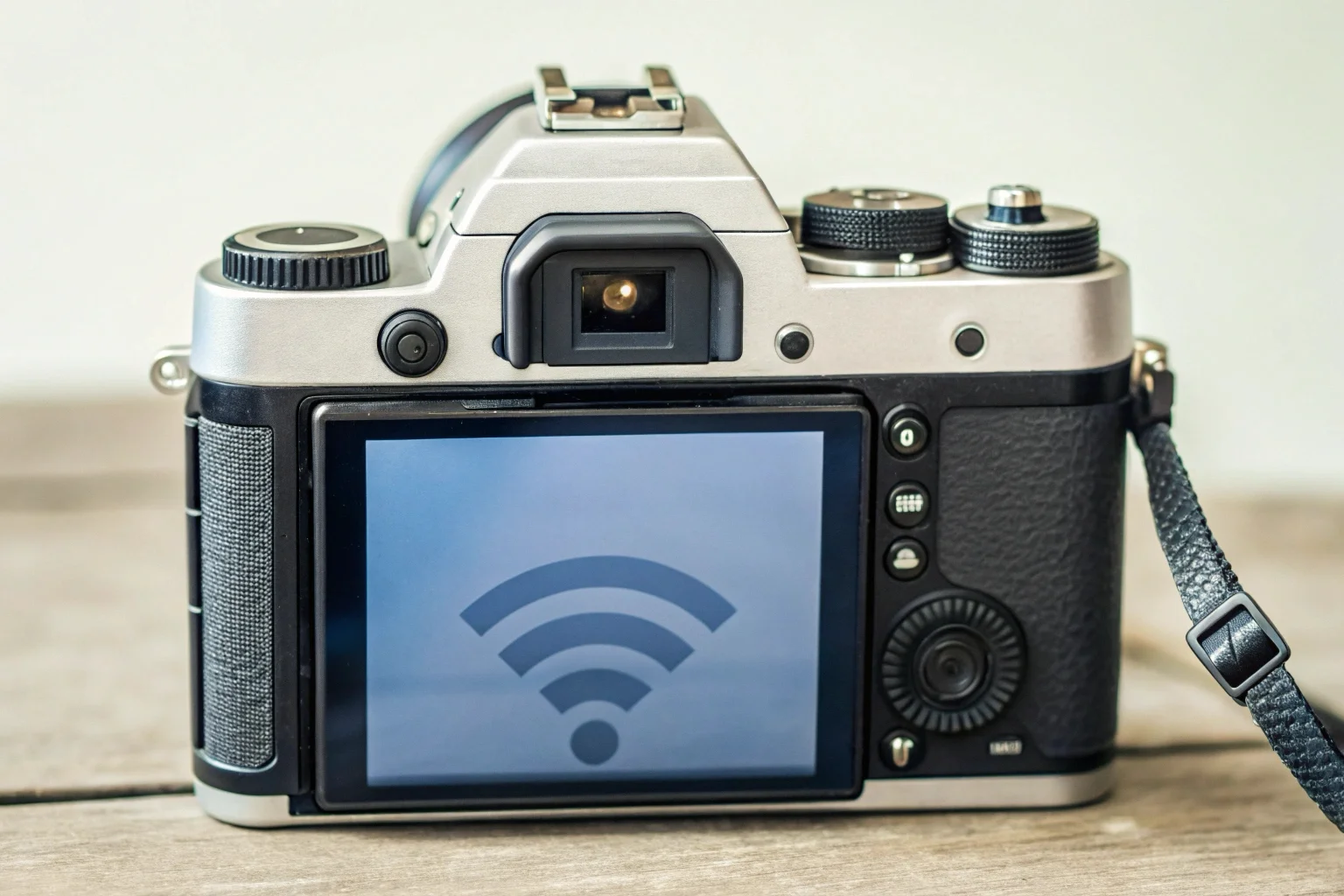
Dive Deeper: Range is a dual concept: optical range and transmission range. I once had to fly to a client's site because they were experiencing severe camera freezing. Their Wi-Fi signal showed 100%, but the video stream kept locking up. After our technicians investigated, we realised it wasn't the physical range that was the issue, but a firmware glitch handling data packet drops over a specific local network band. We quickly pushed an over-the-air (OTA) firmware upgrade directly from our QA team, resolving the issue instantly.
Optically, a standard micro lens will give you crisp facial recognition within about 5 metres. Anything beyond that becomes situational awareness rather than identification. For transmission, an internal antenna will struggle beyond two thick concrete walls. This is why we insist on rigorous local testing. We don't just ship boxes from Shenzhen; we ensure that the transmission range holds up in traditional European stone and brick architecture.
What Are Considered Good Mini Camera Specs?
Leading sub-paragraph: Unsure what constitutes a genuinely premium device in a market flooded with cheap alternatives? Settling for sub-par specifications will inevitably lead to a high volume of after-sales complaints.
Snippet sub-paragraph: Good mini camera specs include a minimum of 1080p resolution at 30fps, a 90° to 120° field of view, H.264/H.265 compression, a reliable battery (or stable mains integration), and seamless compatibility with established IoT platforms like Tuya.
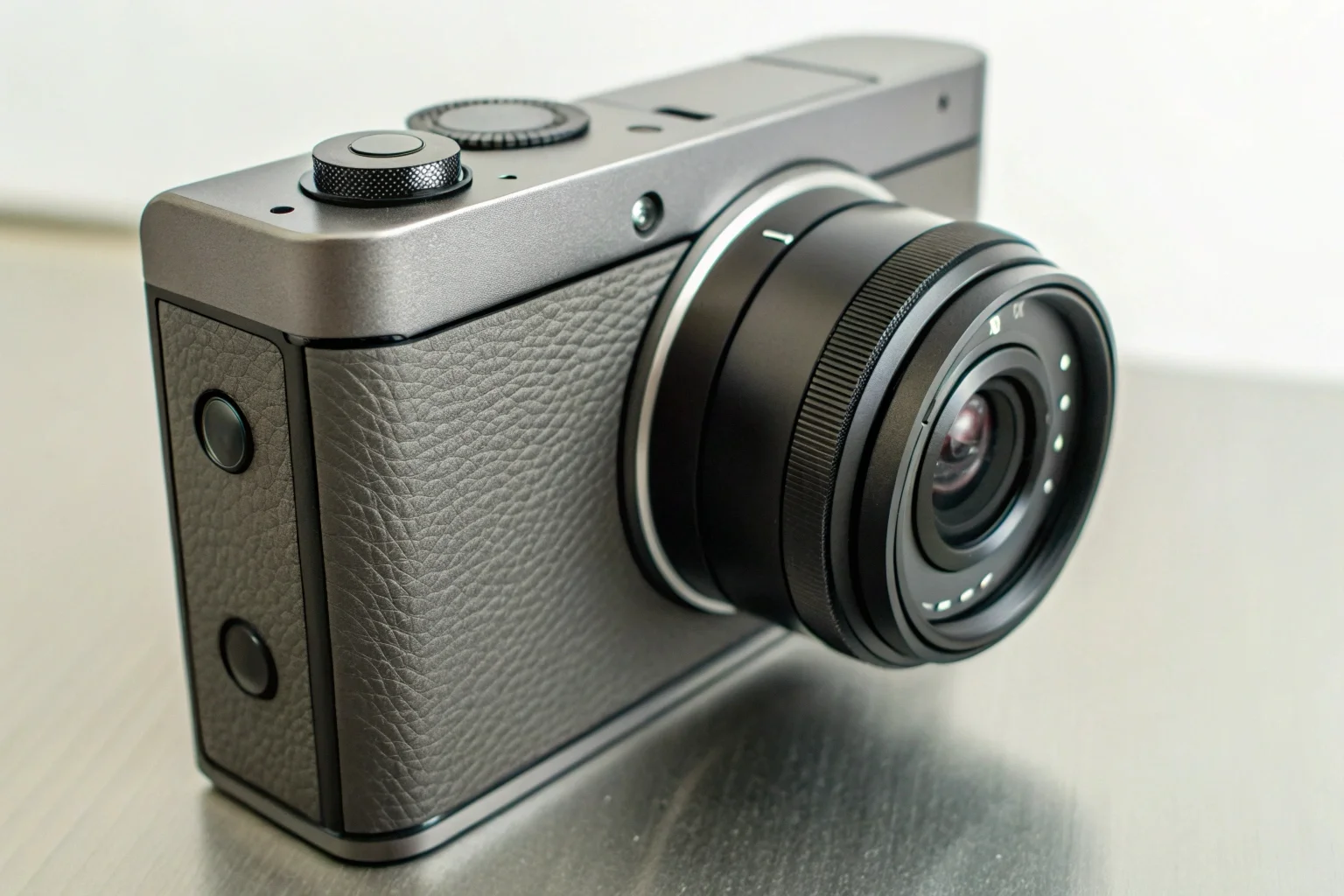
Dive Deeper: When evaluating what makes a product "good," I always tell our buyers to look past the spec sheet and examine the ecosystem. A robust device must have H.265 compression to save bandwidth, ensuring smooth playback even on slower networks. The field of view (FOV) is also vital; a 120° FOV is excellent for room surveillance, while a 90° FOV is better for focused, distortion-free recording.
Furthermore, we must talk about power. If a camera claims a 12-hour battery life from a 500mAh battery, they are lying to you. We base our specifications on rigorous laboratory testing. If you are a system integrator or retailer looking to elevate your product line, I highly recommend exploring our professional surveillance cameras. We provide full transparency on what our Tuya modules and sensors can actually achieve, backing it up with local European warranties and immediate technician support.
Where Not to Put Security Cameras?
Leading sub-paragraph: Are your B2B clients accidentally violating privacy laws with their camera placements? Incorrect installation can lead to severe legal penalties and a damaged brand reputation.
Snippet sub-paragraph: Never install security cameras in areas where individuals have a reasonable expectation of privacy. This includes bathrooms, locker rooms, hotel bedrooms, and employee break areas. Always ensure camera placement complies with local privacy regulations and GDPR mandates.
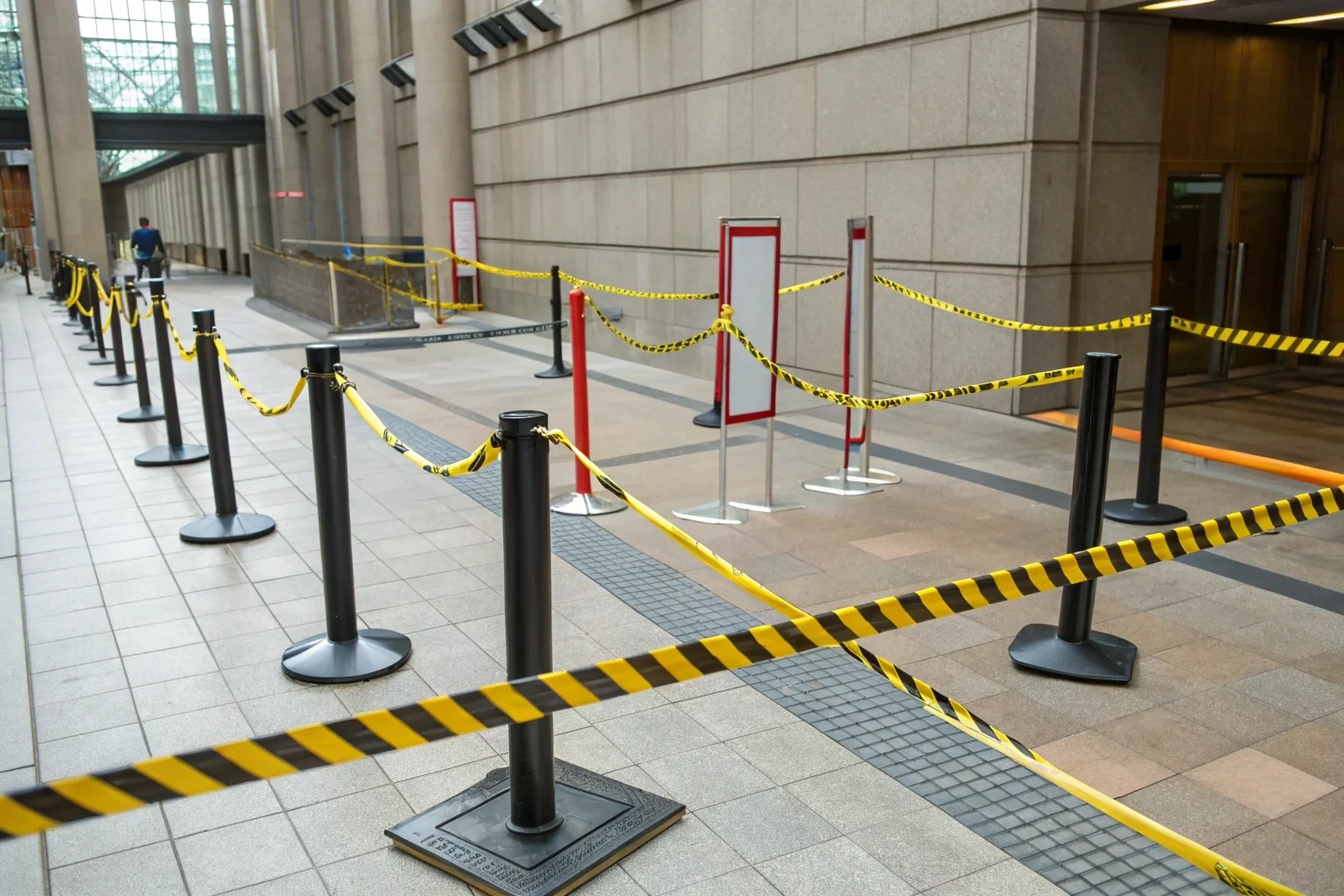
Dive Deeper: As a supplier deeply embedded in the European market, I cannot stress enough the importance of legal compliance regarding camera placement. It’s not just about selling the hardware; it’s about advising your clients responsibly.
You must never place cameras in private spaces such as restrooms, changing rooms, or directly pointing into a neighbour's private property. In the B2B sector, monitoring employees also comes with strict boundaries. Under the General Data Protection Regulation (GDPR) guidelines for video surveillance, surveillance must be necessary, proportionate, and transparent. We always advise our retail and installation partners to provide clear signage and to configure their Tuya apps to restrict access to authorised personnel only. By educating your clients on where nicht to place these devices, you position yourself as a trusted consultant rather than just a box-mover.
Conclusion: Navigating the world of micro cameras requires more than just picking a product from a catalogue; it requires a deep understanding of specifications, real-world limitations, and strict compliance. By partnering with a supplier that offers transparent manufacturing, rigorous local QA, and dedicated European support, you secure not just your supply chain, but the long-term trust of your customers. Let's elevate your surveillance portfolio together.

 English
  Italiano
  Deutsch
  Français
  Español
  Polski