
Are you worried about hidden cameras or listening devices in your home or office? It’s a real concern, and finding a solution can feel overwhelming, leaving you unsure of your privacy.
Frankly, most hidden camera detectors on the market are not effective. They often give false alarms or, worse, miss real threats completely. True security comes from combining careful, manual inspection with specialized tools that proactively protect your conversations and spaces.
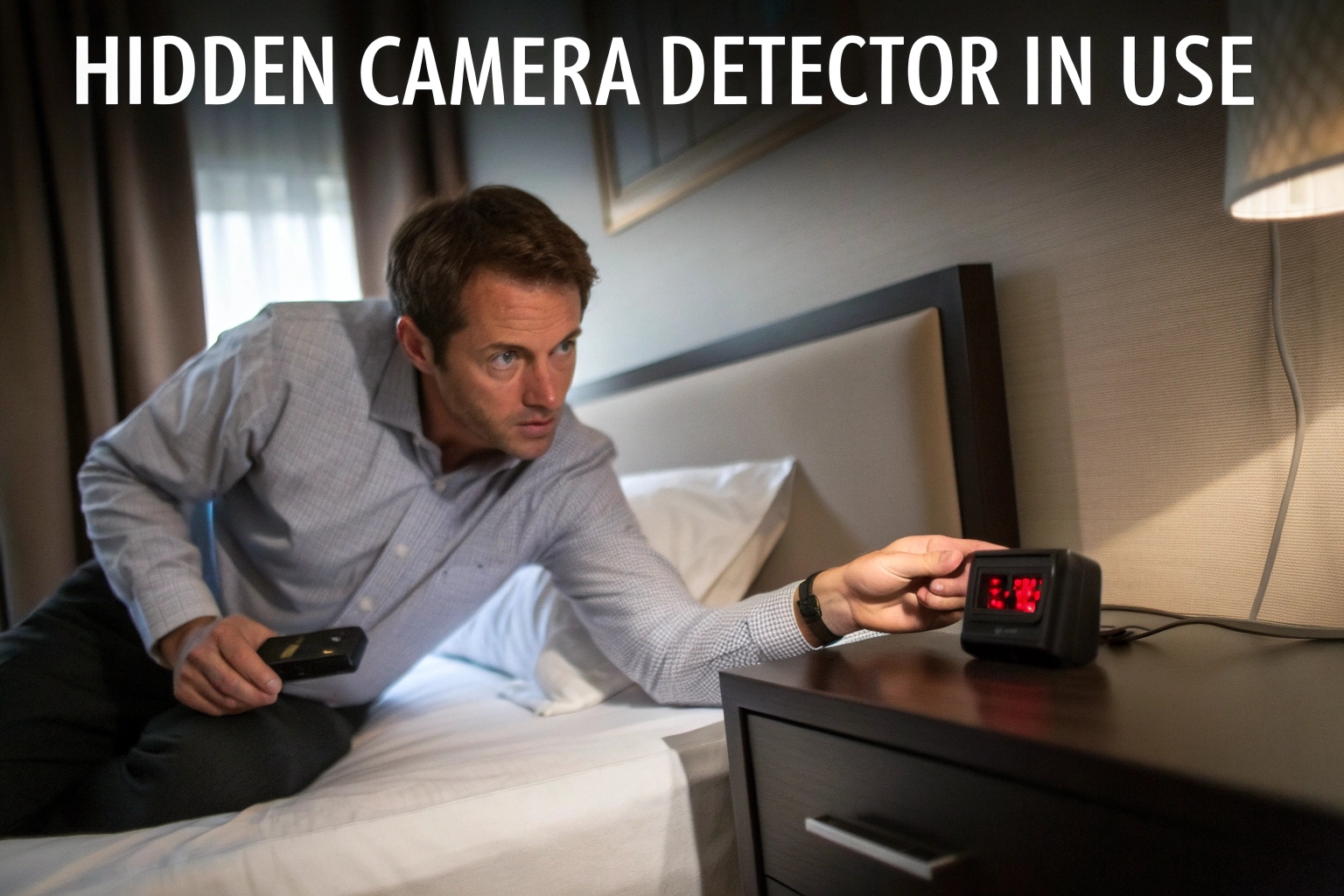
I talk with clients about this issue all the time. One of my long-term partners, Piotr Nowak, runs a successful e-commerce store from Poland. He is very careful about the products he sells and only trusts suppliers with verifiable CE and ROSH certifications. He once told me how frustrated he was with the flood of cheap, unreliable detectors that his customers were asking about. He needed to offer them something that actually worked. His problem pushed me to explain the reality of anti-surveillance, and I want to share that same advice with you. It’s not about buying another gadget; it’s about understanding the right strategy. Let's look at what you really need to do to feel secure.
You have a feeling you’re being watched, but your fancy new detector isn’t finding anything. This uncertainty is stressful. You need a reliable way to confirm if your space is secure.
The best method is to conduct a thorough physical search. Technology can help, but it should support your own investigation, not replace it. Start by looking for anything that seems out of place or has a tiny, unexplained hole.
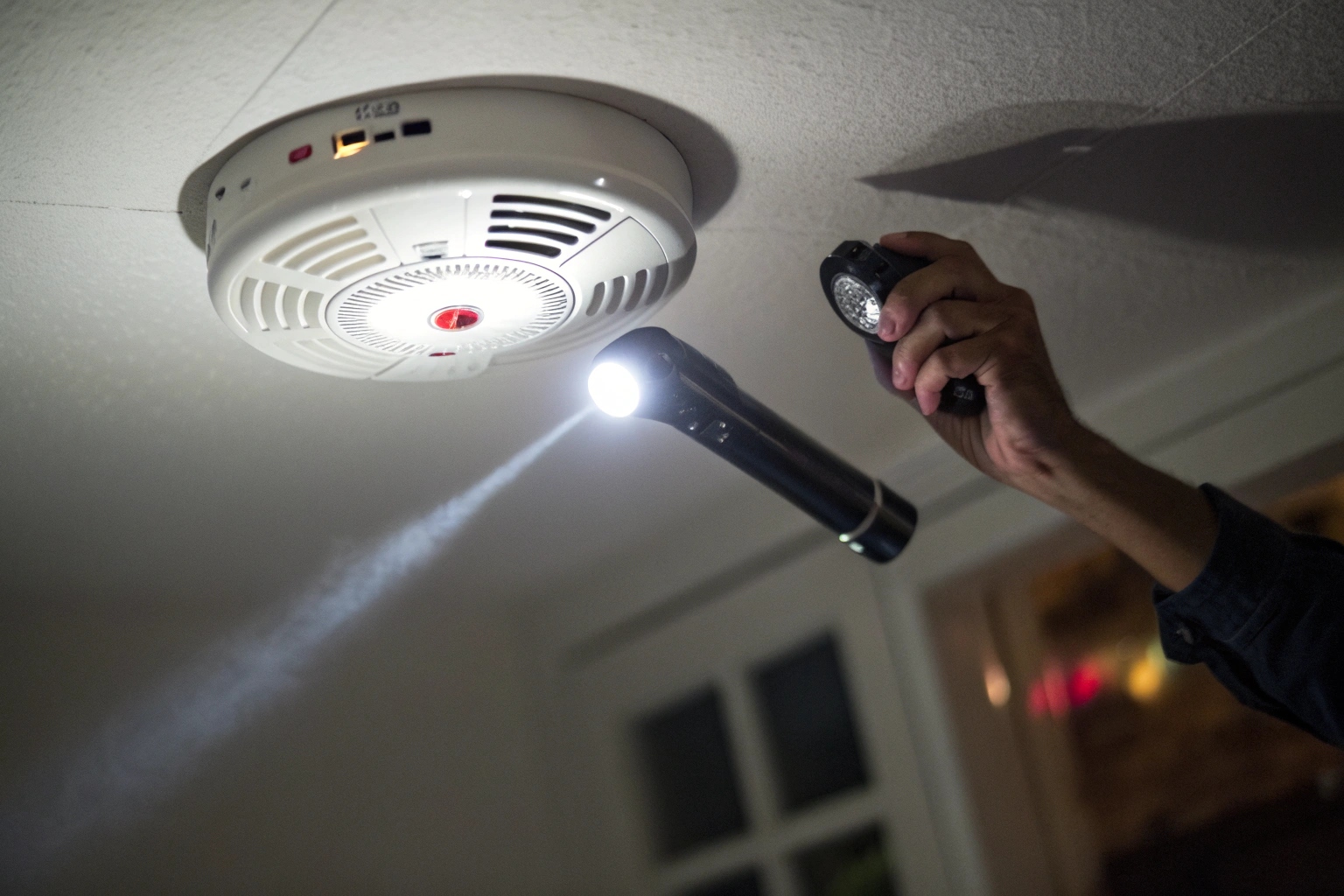
When I consult with clients, I always emphasize a hands-on approach first. It’s the most important step because it doesn't rely on technology that can be easily fooled. You need to think like someone who would plant a device. Where would they put it for the best view or sound? Check common household items: smoke detectors, clocks, USB chargers, and even power outlets. A small, dark circle where there shouldn't be one is a huge red flag. This simple, direct method is more effective than most people realize. It requires patience, but it is the foundation of good security. It builds on your own intuition about your personal spaces, which no device can replicate.
The Power of Observation
Your own eyes are your best tool. Look at everyday objects from a new perspective. Is that new phone charger a gift from a colleague? Unplug it and check it closely. Is one of the screws on a light switch plate unusual? It could be a pinhole camera.
Using Basic Tools
You don’t need expensive gear to start. Turn off the lights and use your phone’s flashlight. Shine it slowly across every surface in the room. A camera lens, no matter how small, will reflect the light back at you, creating a small glint. This technique is surprisingly effective for finding hidden cameras.
| Method | How it Works | Effectiveness |
|---|---|---|
| Visual Inspection | You manually search a room for suspicious objects. | High, but it takes time and attention to detail. |
| Lens Glint Detection | You use a flashlight to spot reflections from lenses. | Very effective, especially in darker rooms. |
| Physical Check | You feel for unusual wires, heat, or vibrations. | Good for devices that are plugged in or active. |
What is an RF bug detector and is it reliable?
You see them online, promising to find any spy device instantly. You buy one, but at home, it just beeps constantly. It can’t tell the difference between a hidden camera and your Wi-Fi.
An RF, or Radio Frequency, detector is a device that listens for radio waves. Many hidden cameras and microphones send their information wirelessly, and an RF detector is meant to catch these signals. But most models you can buy are just not smart enough.
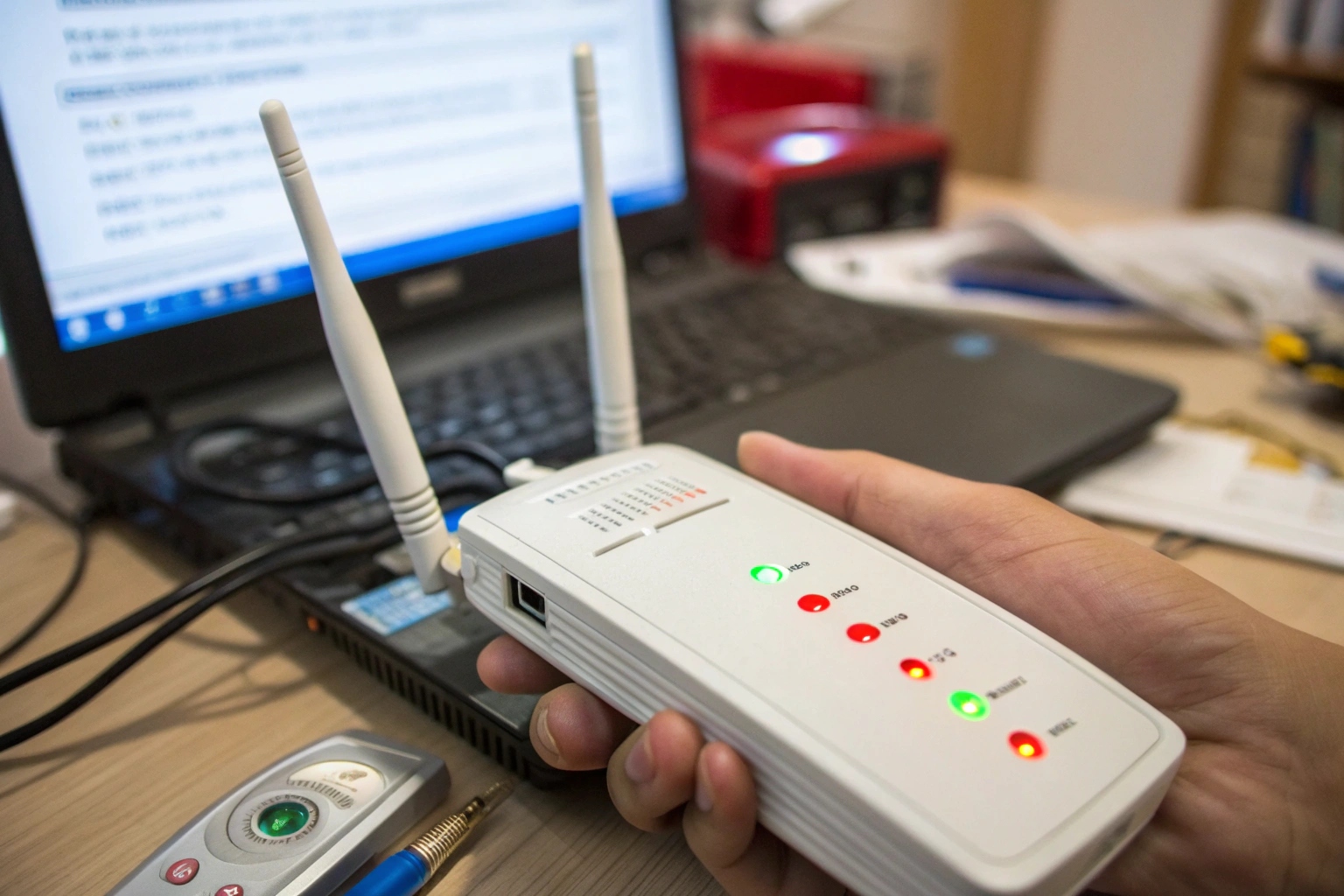
This is a point I am very direct about with my clients. I recently had a conversation with Daniel, who runs a business in France. He wanted to secure his meeting rooms and asked about RF detectors. I told him straight: ninety percent of them are junk. The problem is our world is filled with radio signals. Your phone, your laptop, your smart TV, and your router are all constantly sending out RF signals. Basic detectors can’t tell these friendly signals from a hostile one. They just beep, leaving you more confused and with a false sense of security. Professional equipment that can do this properly costs thousands of dollars and requires training to use. For a business owner like Daniel, buying a cheap detector is worse than having nothing at all.
How RF Detectors Are Supposed to Work
In theory, they are simple. They scan a range of radio frequencies. When they detect a strong signal, they alert you. Spying devices often use specific frequencies, but so do many normal devices.
The Problem with False Positives
The main issue is telling the signals apart. A good detector needs to be able to ignore all the normal background noise of a modern office or home. Cheaper devices lack this filtering ability, making them almost useless.
| Detector Type | Principle | Common Issues |
|---|---|---|
| Basic RF Detector | Detects any strong RF signal nearby. | Creates too many false positives from normal devices. |
| Non-Linear Junction Detector | Detects all electronic components, even if turned off. | Extremely expensive and used by security professionals. |
| Infrared Viewer | Detects the infrared light from night-vision cameras. | Only works for cameras that have night vision. |
What are the best anti-surveillance devices for company use?
You’re in a private meeting discussing a sensitive new business plan. A single leak could be disastrous. How do you guarantee your conversation stays in the room and is not being recorded?
Instead of trying to find a hidden microphone, it is much better to stop it from working in the first place. For this, an audio jammer, or anti-recorder, is the best tool for the job.

This is the solution I recommend most often for my B2B clients, especially those in Europe who are very concerned with corporate security. An audio jammer doesn't find bugs; it creates a bubble of security around your conversation. It works by emitting a high-frequency sound that is silent to the human ear but completely disrupts any microphone in its range. Voice recorders, smartphones, or hidden bugs will only record a useless static noise. My client Sossa from Italy recently ordered a set for his new office. He needed products that were certified for the EU market, and he puts his trust in our company because he knows our products, like our jammers, are reliable and fully compliant with CE standards. You simply place the device on the table, turn it on, and speak freely. It is a proactive solution, not a reactive one.
Proactive vs. Reactive Security
Searching for bugs is reactive; you are looking for a threat that may already be there. Using an audio jammer is proactive; you are actively preventing a threat from succeeding. For important business meetings, proactive security is essential.
How Audio Jammers Work
The device is very easy to use. It generates ultrasonic waves that interfere with the diaphragms of microphones. Any recording device within its radius will be unable to capture a clear audio signal. You put it in the middle of the table and turn it on. It’s that simple.
| Device | Purpose | Best Use Case |
|---|---|---|
| Audio Jammer | Actively blocks microphones from recording audio. | Confidential meetings, private offices, legal talks. |
| Professional RF Scan | Finds active wireless bugs before a meeting. | A good preparation step, requires an expert. |
| Physical Search | Finds any type of bug, active or not. | The most fundamental and reliable security step. |
Conclusion
Forget most bug detectors. The best way to secure your space is to search it carefully yourself and use an audio jammer to protect your important conversations from being recorded.

 English
  Italiano
  Deutsch
  Français
  Español
  Polski