
Are Battery-Powered GPS Trackers Reliable for Commercial Use?
Fleet blind spots causing financial losses? Relying on ghost suppliers leaves you with generic apps and furious end-users. Secure your logistics with dependable, battery-powered GPS trackers backed by real local support.
Battery-powered GPS trackers are highly reliable for commercial use, offering flexible deployment, long standby times, and robust tracking without relying on a vehicle's power system. Modern units feature advanced power-saving modes and durable, weatherproof casings suitable for premium European markets.

Over my years transitioning from the bustling factory floors of Shenzhen to managing QZT’s assembly and QA teams right here in Italy, I’ve seen countless businesses struggle with fleet visibility. Let’s pour a coffee and dive into what really makes a tracking programme tick, and how you can establish a stable, long-term partnership for your security needs.
How do car fleet GPS trackers work?
Losing track of high-value assets during transit? Poor signal and generic apps cause massive operational headaches. Enterprise-grade fleet trackers solve this by combining satellite precision with stable local networks.
Car fleet GPS trackers utilise a network of satellites to determine precise locations. They transmit this coordinate data via cellular networks to a central server, allowing fleet managers to view real-time movements, speed, and route history on a dedicated application.
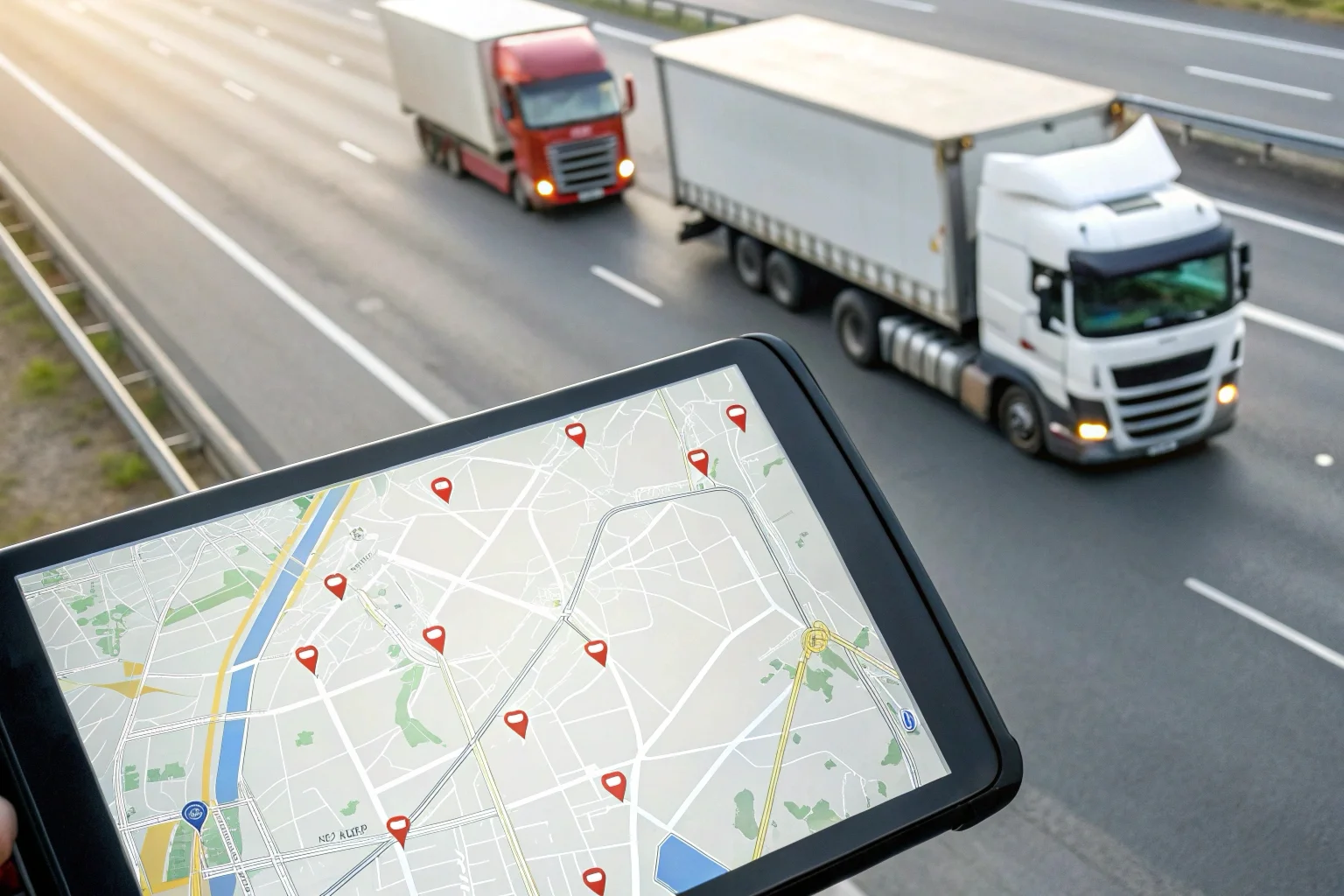
In my experience dealing with independent European retailers and system integrators, the core issue isn't the hardware itself, but the software ecosystem. We recently had a wholesale partner testing our GPS modules for cross-border transport. They were tired of cheap trackers dropping offline due to unstable generic apps. Our solution was to ensure our modules integrate seamlessly with robust, compliant platforms.
Tracking relies heavily on consistent data transmission. If you are shipping goods across European borders, compliance is just as critical as the coordinates. Strict CE marking requirements must be met to avoid customs seizures. My QA team in Italy meticulously tests these modules to ensure they maintain connectivity across different European cellular networks without draining the battery prematurely. By working with a supplier that manages quality control locally, you secure a transparent, stable supply chain that your customers can trust.
How to install a GPS tracker in my transport fleet?
Complex hardwiring causing vehicle downtime? Relying on third-party mechanics eats into your profit margins. Magnetic, battery-powered trackers offer a zero-installation alternative that gets your fleet moving instantly.
Installing a battery-powered GPS tracker is incredibly straightforward. Simply attach the heavy-duty magnetic base to a flat, metallic surface underneath the vehicle or inside the cargo area. No complex hardwiring or mechanic intervention is required.
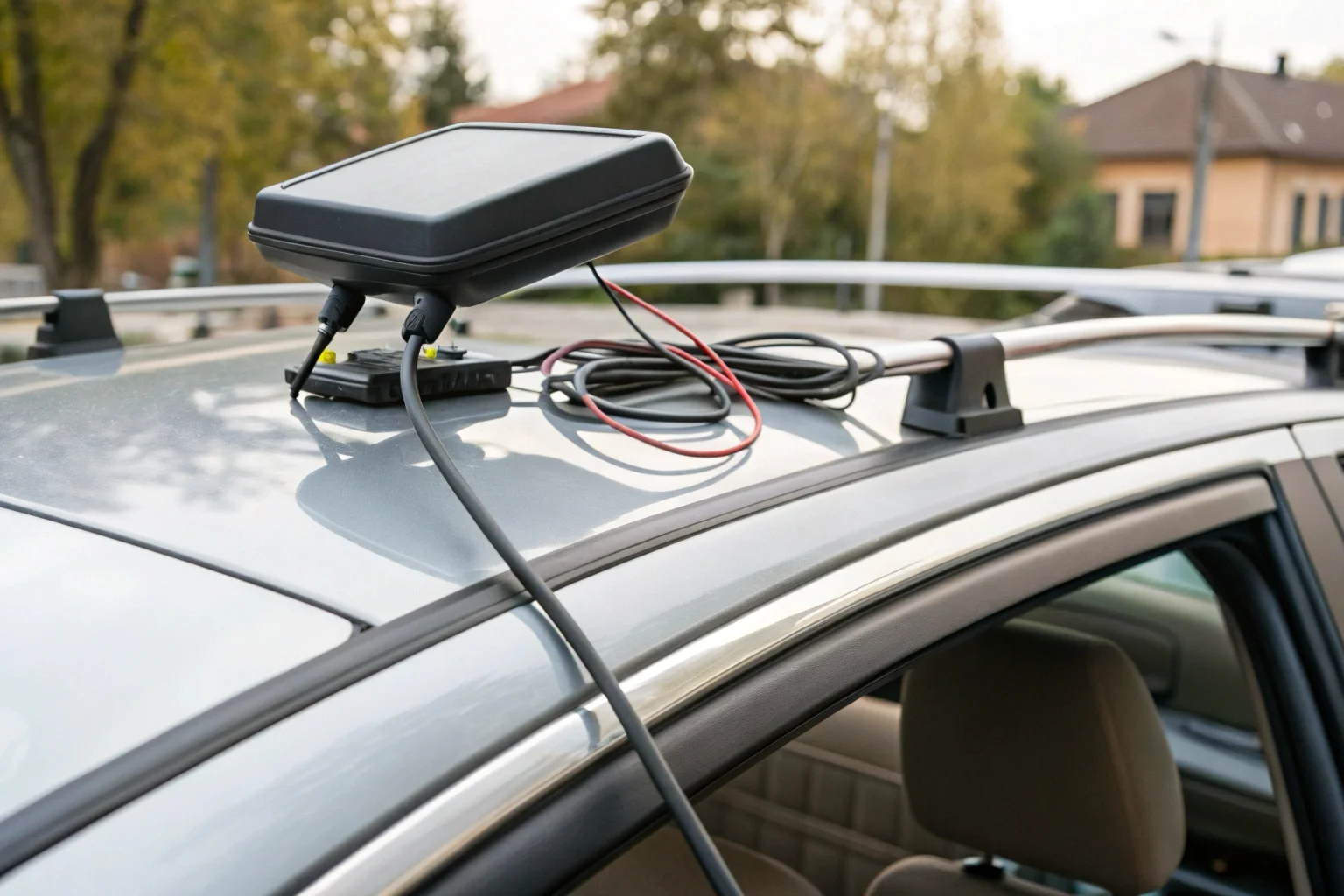
I often speak with fleet managers who are intimidated by the prospect of upgrading their systems. They picture vehicles off the road for days. With magnetic battery-powered units, installation takes seconds. You just find a discreet spot. However, placement is key. I always advise our partners to avoid areas enveloped entirely by thick metal, which can disrupt the signal.
Just last month, a logistics client was worried about the complex customs clearance of importing trackers from Asia. By leveraging our local Italian warehouse, we delivered the units under Delivered-at-Place (DAP) terms in mere days, bypassing the usual import headaches and offering full transparency on local VAT. Because they didn't need to hardwire the units, their fleet was fully operational and monitored within 48 hours. If you are also outfitting vehicles for comprehensive security, you might want to complement tracking by exploring our professional surveillance cameras for in-cabin monitoring.
What are the advantages of using GPS for fleet tracking?
Bleeding money on inefficient routes and fuel waste? Without real-time oversight, you are managing your fleet blindfolded. GPS tracking provides the actionable data needed to optimise operations and slash overheads.
GPS fleet tracking dramatically reduces fuel consumption through route optimisation, prevents unauthorised vehicle use, lowers insurance premiums, and provides irrefutable delivery evidence. It transforms reactive management into a proactive, data-driven strategy.

The real advantage of a robust tracking programme isn't just knowing where your trucks are; it's about the data story. We’ve supported B2B buyers who initially only wanted to prevent theft. But once they integrated our systems, they discovered drivers taking massive detours, significantly impacting their bottom line.
Beyond route efficiency, there's the critical element of data security. European clients are understandably cautious about data privacy. All data collected by our premium systems adheres strictly to GDPR standards, ensuring that your employee and route data is legally protected. When my team handles after-sales support locally in Italy, we ensure that any software updates or troubleshooting respect these privacy boundaries. This local presence means you aren't waiting 24 hours for a supplier in another time zone to respond to a critical tracking failure. It’s this combination of hardware reliability and local, compliant support that truly secures your business.
Which is preferable: a handheld GPS or a vehicle GPS?
Unsure whether to invest in portable or fixed tracking solutions? Making the wrong choice leads to wasted budget and inadequate coverage. Choosing the right form factor depends entirely on your specific logistical demands.
Vehicle GPS trackers are preferable for permanent fleet monitoring, offering deep integration and automated reporting. Handheld or portable battery-powered GPS units are ideal for tracking individual high-value cargo shipments or for personnel needing flexible, cross-vehicle mobility.

This is a debate I hear frequently over coffee with our European retail partners. A vehicle-specific GPS is fantastic if you own the fleet and want granular data on engine health. But in modern B2B trade, flexibility is king. Many of our clients use third-party logistics. You cannot hardwire a tracker into a truck you don't own.
This is where a high-capacity, battery-powered portable GPS shines. You can toss it securely into a pallet of high-value electronics in Milan and track it all the way to Berlin. If the device needs a firmware update or experiences a glitch, our locally based technicians handle the returns and maintenance seamlessly, eliminating the dread of shipping defective units back across the globe. We essentially act as an extension of your own business. Ultimately, your choice should align with whether you are tracking the asset itself, or the vehicle carrying it.
Conclusión Navigating the complexities of B2B trade in Europe requires more than just decent hardware; it requires a trustworthy partner. By choosing reliable, battery-powered GPS trackers backed by real, localized Italian support, you eliminate the headaches of strict compliance, generic apps, and phantom suppliers. Partner with us, and let's secure your supply chain together.

 English
  Italiano
  Deutsch
  Français
  Español
  Polski