
Struggling with unreliable battery-operated GPS trackers that drop signals or get stuck in customs? Your clients demand precision, but cheap generic models lead to endless returns. Here is how we solve this at QZT.
Enterprise-grade GPS trackers provide reliable, long-term location data with robust battery life and strict CE/RoHS compliance. By leveraging local European stock and dedicated technical support, businesses ensure stable performance without supply chain delays.
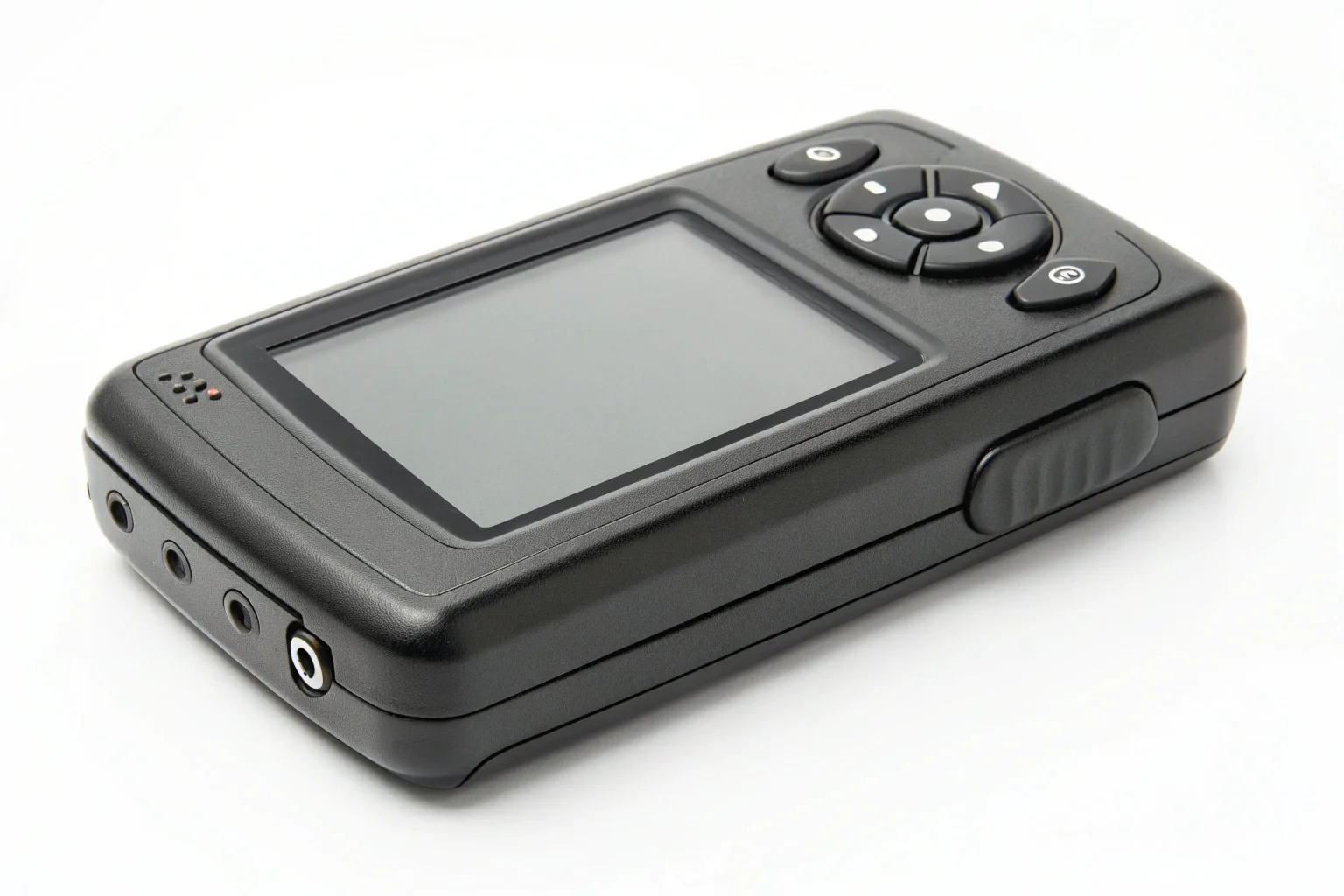
Over my years moving from Shenzhen factory floors to overseeing our Italian assembly and QA teams, I’ve seen firsthand why B2B buyers lose sleep over tracking tech. Let's break down the core questions you should be asking before securing your supply chain.
What Defines "Enterprise-Grade" in Battery-Operated GPS Trackers?
B2C buyers might forgive a dropped signal, but system integrators face massive contract losses when trackers fail in the field. The anxiety of scaling an unreliable product is real.
An enterprise-grade GPS tracker is defined by high-capacity batteries, industrial-grade components, stable firmware integration, and strict CE/GDPR compliance. It guarantees accurate, uninterrupted tracking for commercial fleet or asset management.
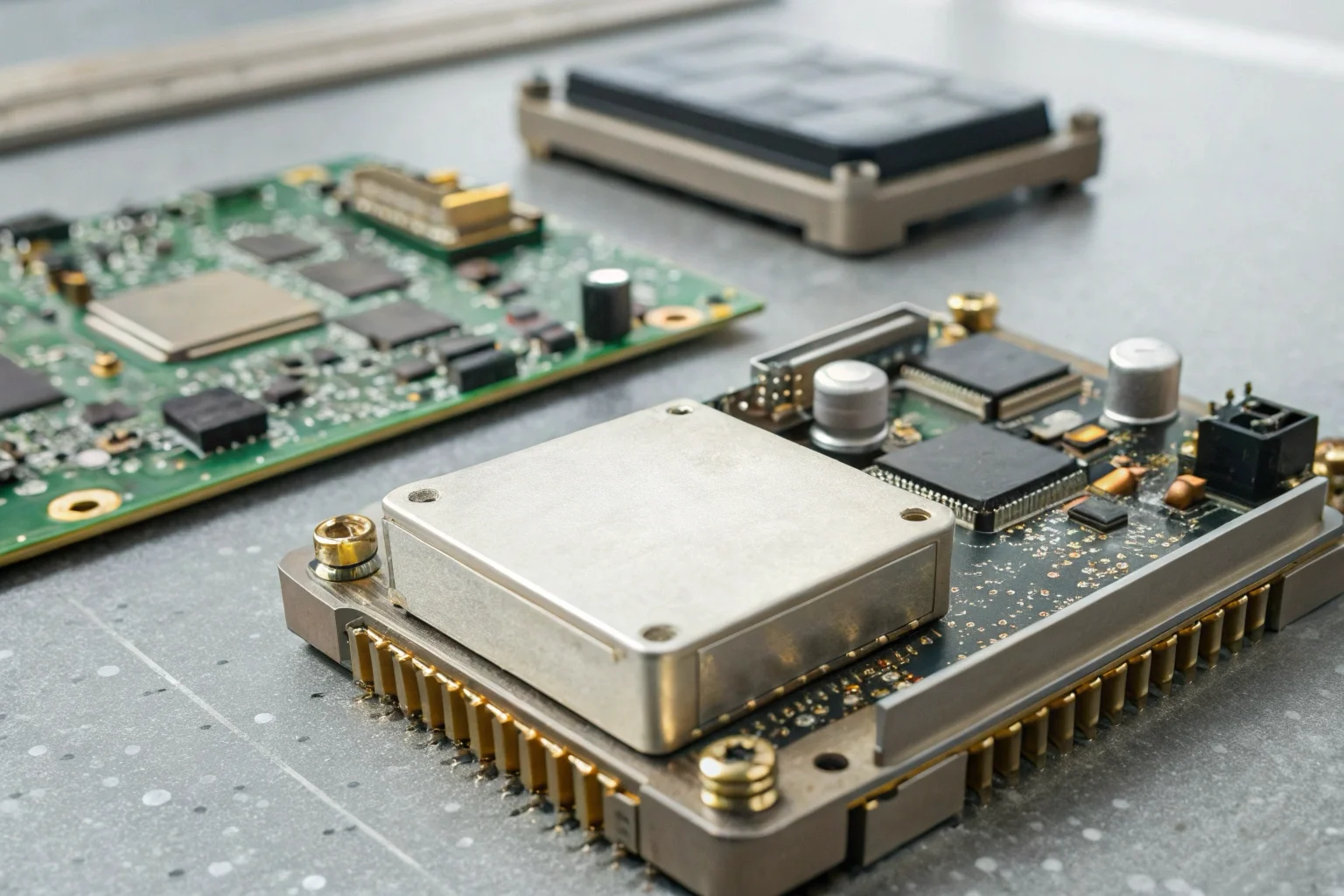
In my experience managing our QA teams in Italy, the term "enterprise-grade" gets thrown around too loosely. A client once faced severe pushback because their trackers would freeze despite showing full battery. We investigated and realised the generic firmware couldn't handle European network transitions. We didn't just apologise; we pushed an over-the-air firmware update and upgraded their entire fleet's software protocol. Enterprise-grade means owning the problem. It means having local technicians who can flash new software on the spot. Furthermore, we ensure all devices meet strict CE marking and RoHS compliance standards, so our partners in premium European markets never worry about customs seizures, complicated VAT bottlenecks, or liability issues.
Is there a GPS tracker that doesn't have a monthly fee?
Recurring subscription fees eat into your margins. When you sell to offline retailers, explaining ongoing costs often kills the deal on the spot.
Yes, subscription-free GPS trackers exist. They typically use prepaid IoT SIM cards or leverage existing LPWAN networks. Some models only transmit data upon request via SMS, eliminating the need for paid cloud server subscriptions.
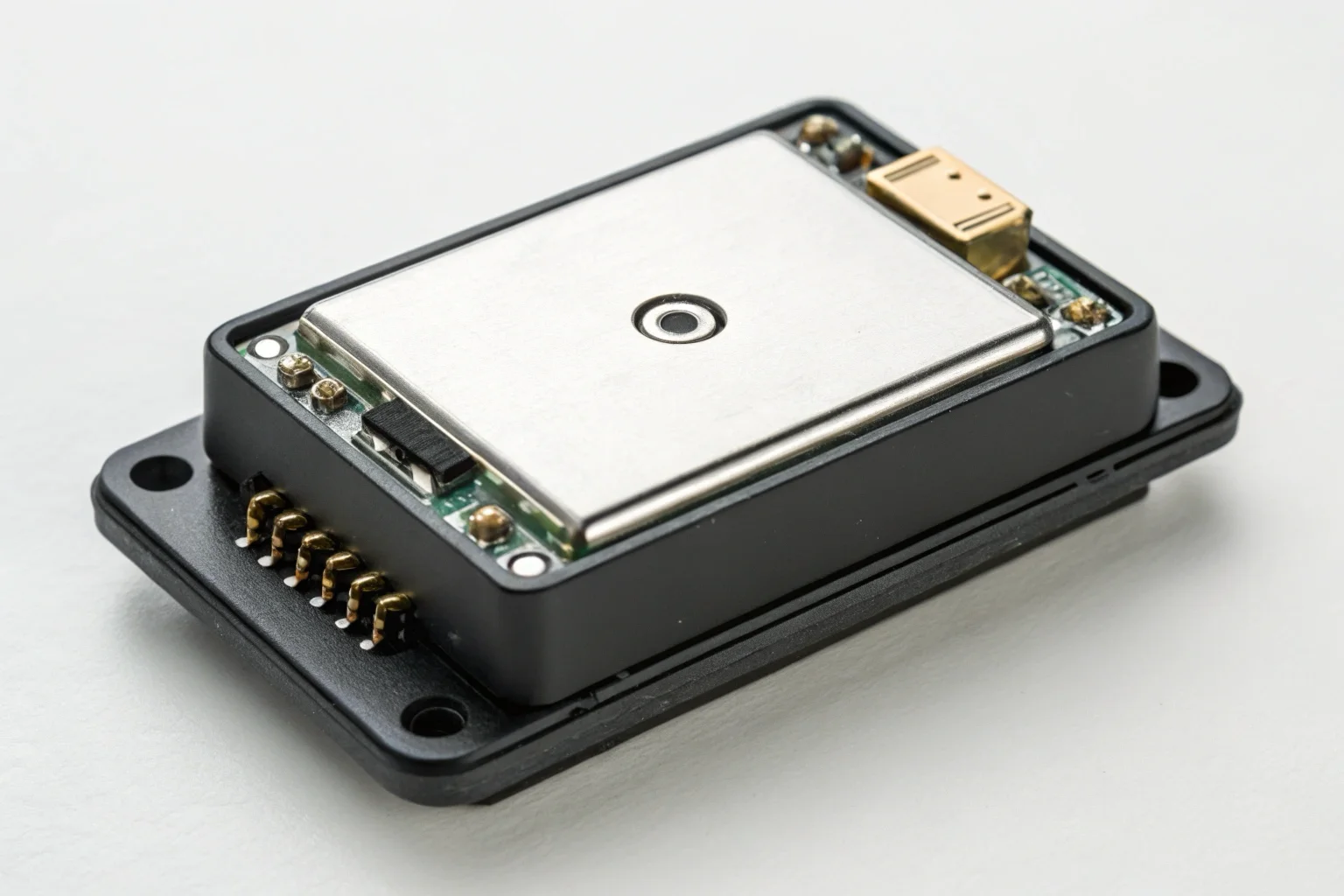
Buyers often ask me how to bypass monthly fees without sacrificing quality. We recently worked with a distributor who was bleeding cash on server fees. My team and I developed a tailored solution: trackers integrated with prepaid data plans and a self-hosted platform. It requires a higher upfront hardware investment, but the long-term ROI is undeniable. This is where our local assembly shines. We can configure devices locally in Italy before dispatch, ensuring they connect seamlessly out of the box. If your clients are focused purely on internal security monitoring rather than real-time transmission, you might also discover discreet voice recorders that require zero network fees and store data locally on high-capacity SD cards.
What is the lifespan of a GPS tracker?
Replacing dead trackers halfway across the continent is a logistical nightmare. Short device lifespans destroy client trust and inflate your after-sales costs.
The hardware of a high-quality GPS tracker can last 3 to 5 years, but the functional lifespan depends heavily on the battery. Battery-operated models can last from a few weeks to over 3 years on a single charge.

I spend a lot of time reviewing battery degradation reports. A common issue is buyers opting for cheaper batteries to save a few euros, only to face massive return rates when the devices die in sub-zero European winters. We strictly source high-density polymer batteries and conduct extensive cold-weather testing. Beyond the battery, the 2G/3G network sunsets across Europe mean older trackers are dying prematurely. We strictly recommend 4G LTE or NB-IoT models to future-proof your investment. Shipping devices with large batteries directly from Asia can also trigger customs delays and reverse-charge VAT headaches. To mitigate this, our Italian warehouse holds local stock, enabling fast 3-day delivery across Europe, bypassing complex import procedures entirely.
What's the difference between a GPS tracker and a Bluetooth tracker?
Confusing these two technologies leads to disastrous purchasing decisions. Clients expecting global coverage get furious when their Bluetooth tag loses connection past 30 metres.
GPS trackers use satellites to provide global location data in real-time and require a cellular connection. Bluetooth trackers rely on proximity to a smartphone (usually within 30-50 metres) and are ideal for finding lost personal items.
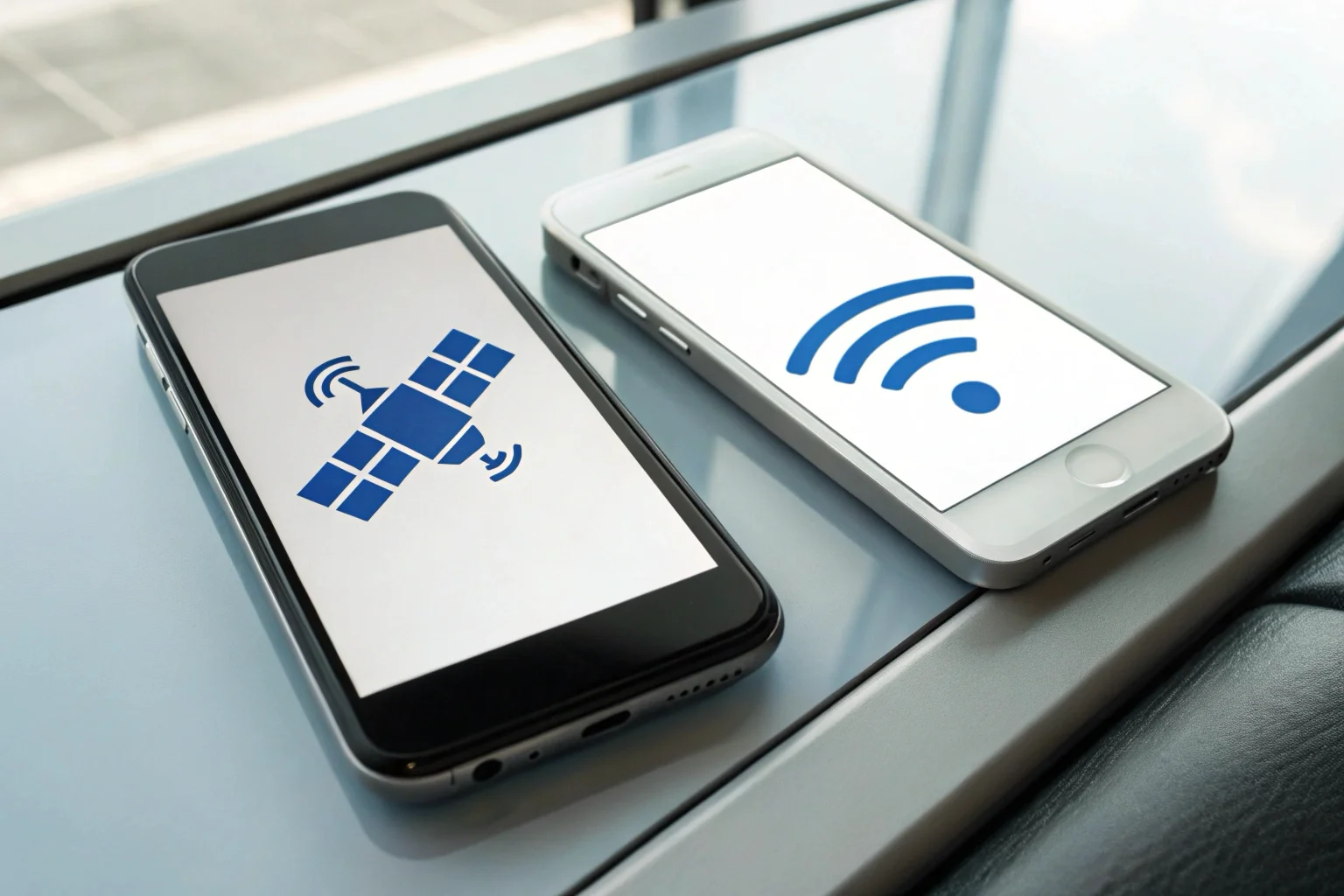
I often have coffee with system integrators who ask if they can substitute GPS with Bluetooth to cut costs. My answer is always a firm no for enterprise applications. Bluetooth is fantastic for consumer gadgets, but if you are tracking a shipping container from Milan to Munich, you need cellular and satellite triangulation. Bluetooth relies on crowdsourced networks; if no one with the app walks by your asset, it's virtually invisible. For critical infrastructure, you must use standalone GPS modules. Understanding these technical nuances is vital, and staying informed through authoritative bodies like the European Telecommunications Standards Institute (ETSI) can help you navigate the radio frequency requirements necessary for safely deploying these devices across the EU.
What can block a GPS tracker?
Even the best trackers have blind spots. When high-value assets disappear from the map in urban canyons or shipping yards, panic sets in immediately.
GPS signals can be blocked by dense physical barriers like concrete parking garages, metal shipping containers, and heavy tree canopy. Additionally, active signal jammers can deliberately disrupt the radio frequencies used by the tracker.
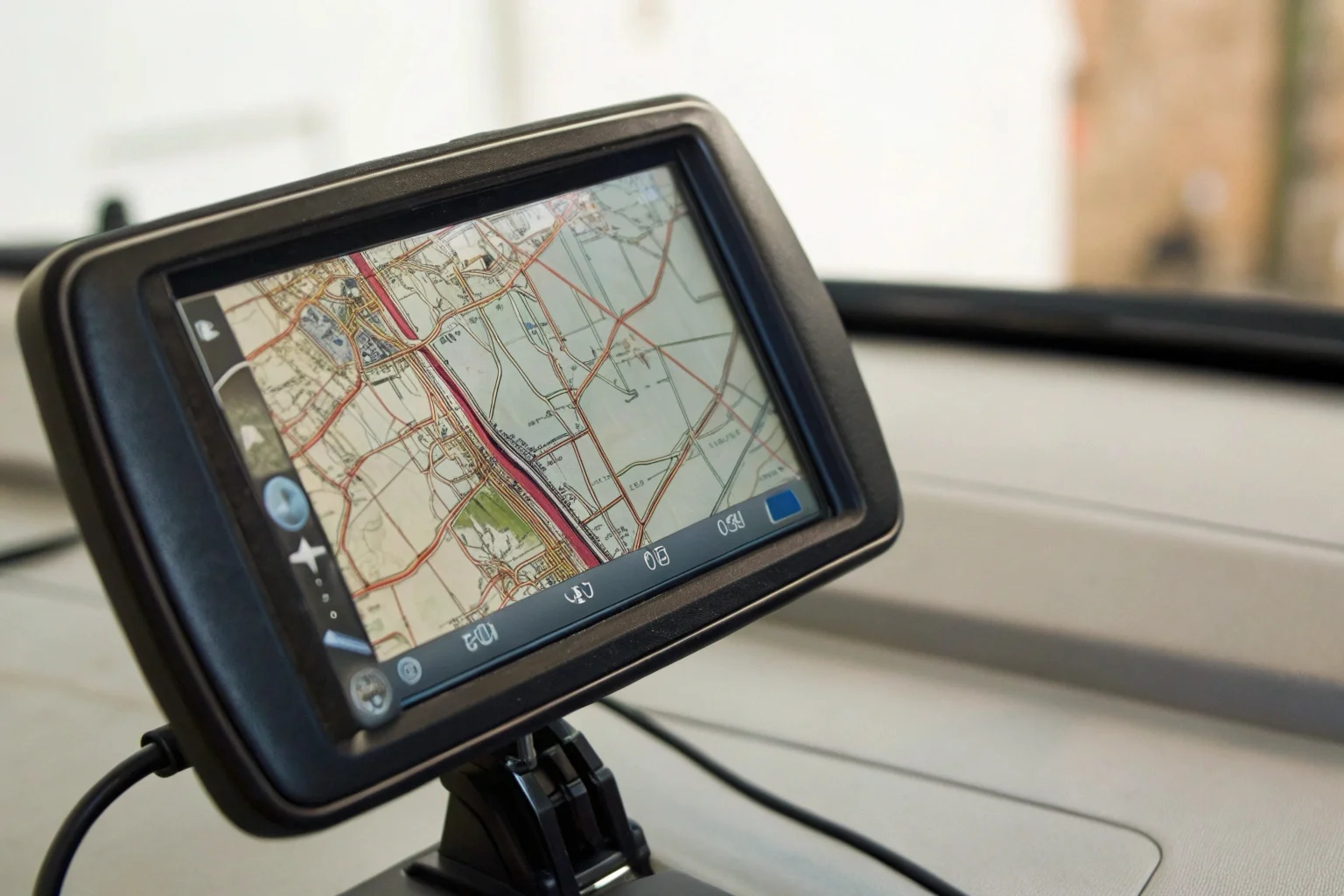
Signal loss is the number one technical ticket my team receives. A client once reported a "defective" batch because the trackers went offline inside a metal logistics hub. We explained the physics of the Faraday cage effect. To solve this, enterprise-grade trackers use fallback mechanisms like LBS (Location-Based Services) or Wi-Fi positioning. If the GPS satellite signal drops, the device pings local cell towers or Wi-Fi routers to provide an approximate location. This redundancy is what separates professional gear from consumer toys. We also configure our firmware to store location data locally when offline and upload it the second the cellular connection is re-established, ensuring a complete historical track without data gaps.
Navigating the B2B security and tracking market requires more than just finding a cheap supplier; it demands a reliable partner. From ensuring CE compliance to offering local Italian support and rapid troubleshooting, my team at QZT is built to protect your business reputation. Partner with us to secure your supply chain and deliver flawless tracking solutions to your clients.

 English
  Italiano
  Deutsch
  Français
  Español
  Polski