
The Fleet Manager's Guide to Selecting GPS Tracking Systems
Managing a fleet without visibility is a financial risk. You worry about unauthorized vehicle use, theft, or inefficient routes eating into your margins. Selecting the right GPS tracking system solves these problems, securing your assets and optimizing your logistics.
The best GPS tracking system balances battery life, connectivity (4G/LTE), and legal compliance. For fleet managers, hardwired or OBDII trackers are superior for continuous power, while magnetic asset trackers offer flexibility. Always ensure your hardware supports LBS backup to counter signal blocking in garages or shipping containers.
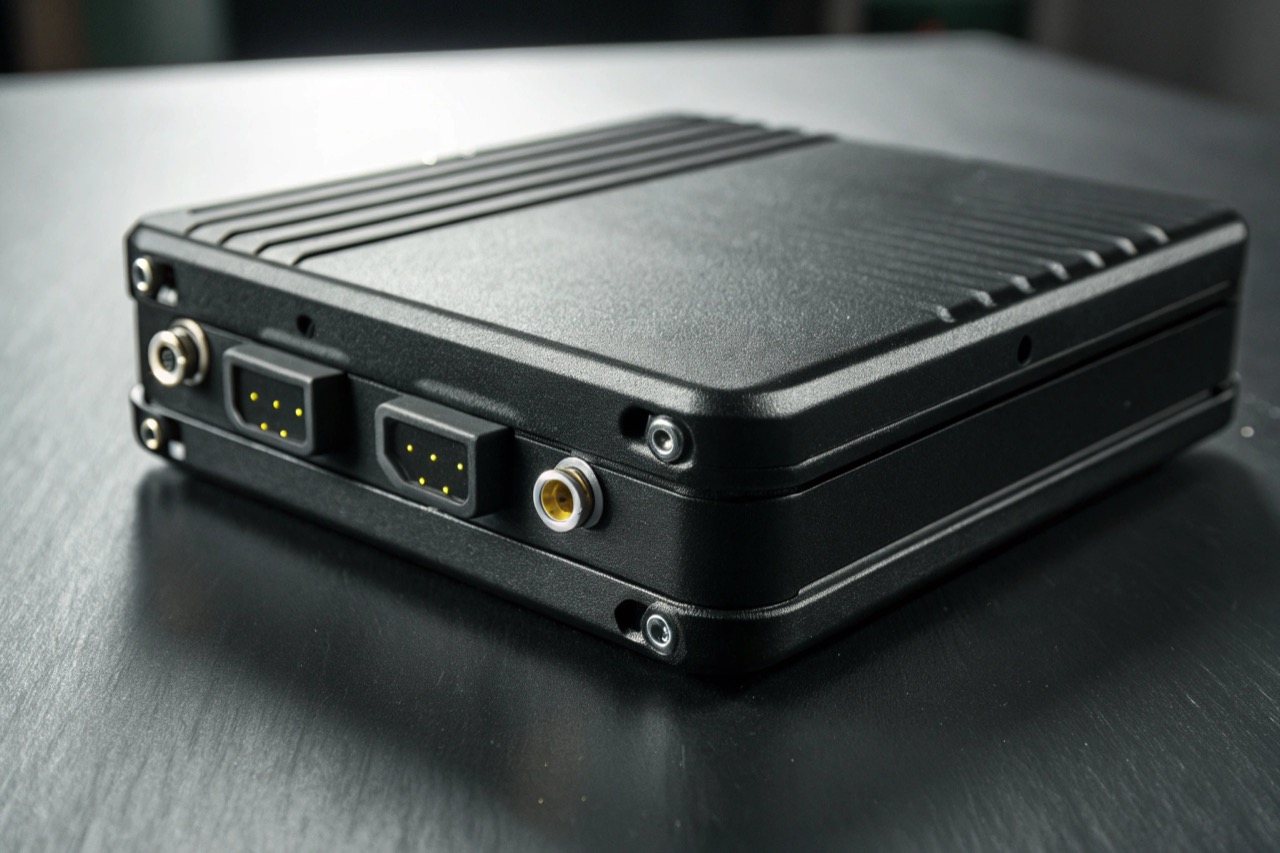
At QZT, we understand that hardware stability is just as important as the software it runs on. From our factory in Vietnam to our warehouses in Italy, we see many buyers struggle with the technical nuances of tracking. Whether you are monitoring trucks in Germany or delivery vans in Spain, understanding the legality, hardware types, and limitations of GPS is essential for a profitable wholesale business.
Is it illegal to put a GPS tracking device on a car?
Many fleet managers hesitate to install trackers due to privacy concerns and strict European regulations.
Is it illegal? Generally, no. It is legal to place a GPS tracker on a vehicle you own for business purposes. However, in the EU, you must notify drivers that the vehicle is monitored to comply with GDPR privacy laws. Secretly tracking a person (stalking) is illegal.
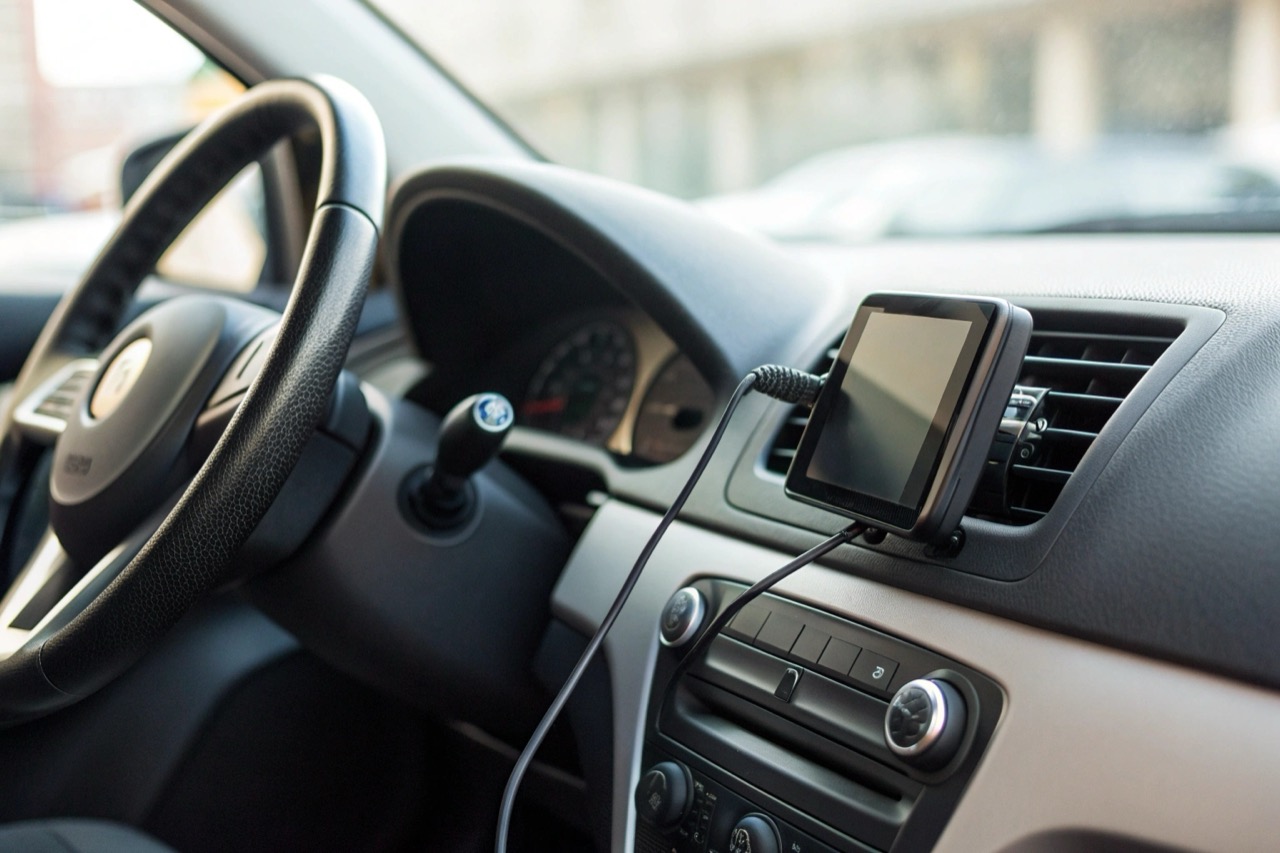
As a B2B buyer, you must distinguish between asset tracking and people tracking.
- Ownership: If your company owns the car, you have the right to secure it.
- Transparencia: Under GDPR (General Data Protection Regulation), employees must know the vehicle is tracked. You cannot use the data to monitor their private life outside working hours if they are allowed personal use of the car.
- Purpose: The tracking must be for security, logistics, or mileage logging—not purely for behavioral surveillance without consent.
Just as you would explore our professional surveillance cameras to secure your warehouse perimeter legally, you must apply the same transparency when securing your mobile assets. Always consult local labor laws in your target market.
What GPS tracker should you wholesales?
Choosing the wrong hardware leads to high returns and angry clients. The market is flooded with obsolete 2G devices.
Recommendation: Al por mayor 4G (LTE) Hardwired Trackers for heavy fleets and Magnetic Asset Trackers for cargo. Avoid 2G-only devices, as networks are shutting down across Europe. Look for devices with "store and forward" memory that saves data when the signal is lost.
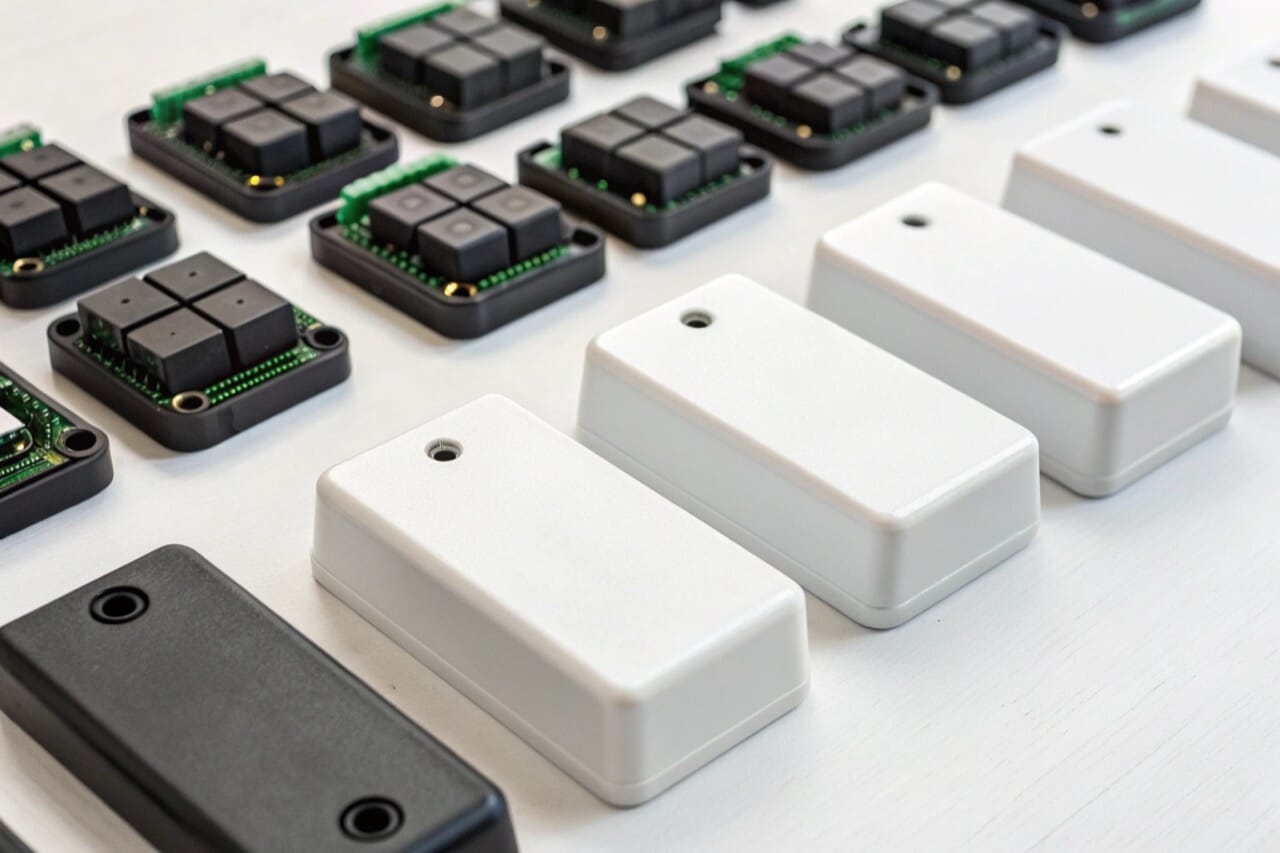
The Three Main Categories
- Hardwired (3-Wire): Connects to the vehicle's ignition and battery. Best for rental fleets and logistics. It supports remote fuel cut-off features.
- OBDII (Plug & Play): Plugs directly into the diagnostic port. Easiest to install but easiest for a thief to remove. Good for light commercial vehicles.
- Magnetic/Wireless: Independent battery. Best for tracking shipping containers or construction equipment where no power source is available.
At QZT, we advise our B2B partners to stock 4G modules. Stability is key. A cheap tracker that disconnects often costs you more in customer support than you save on the purchase price.
How long will a GPS tracker battery last?
Battery anxiety is the number one complaint from end-users using wireless trackers.
The Answer: Hardwired trackers last indefinitely as they draw power from the vehicle. Wireless magnetic trackers last from 10 days to 3 years, depending entirely on the "ping rate" (how often it reports location).
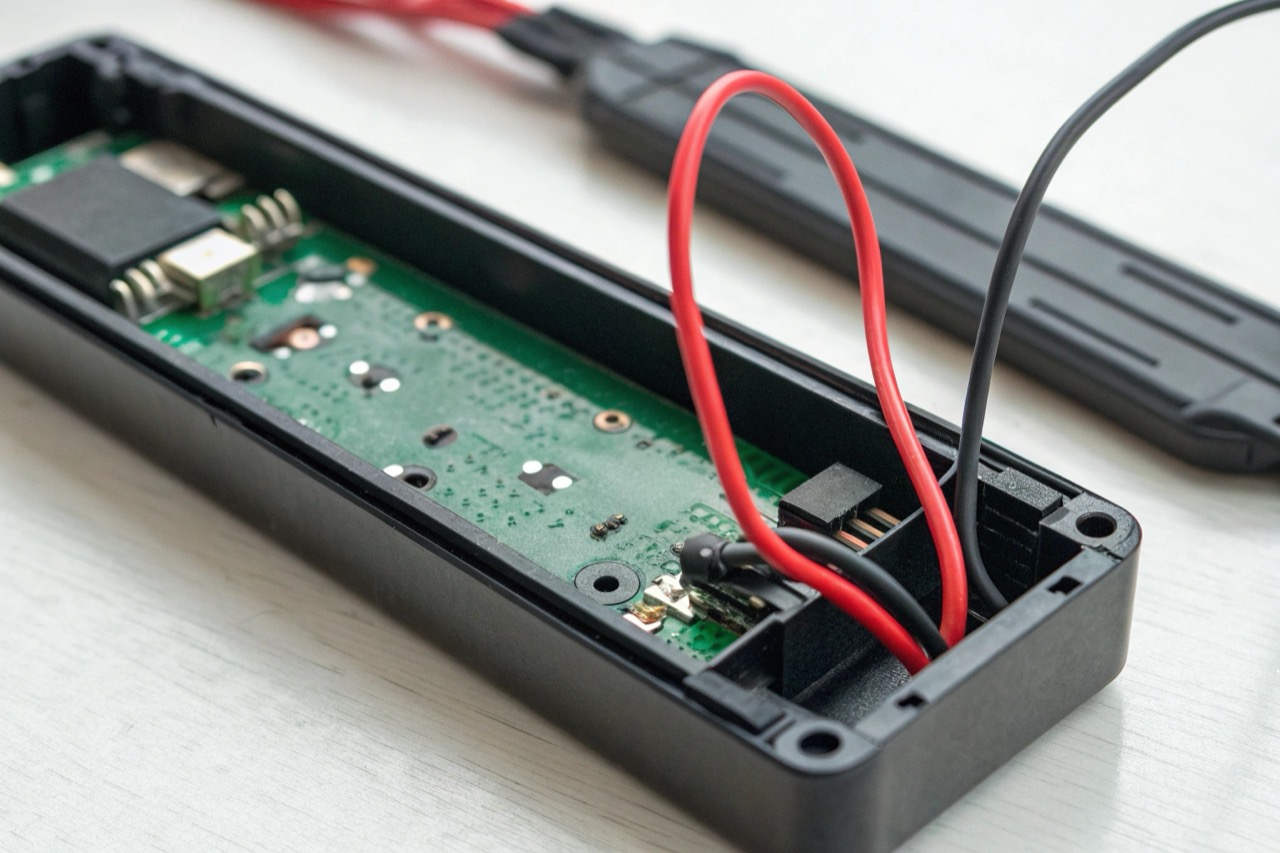
The Physics of Power Consumption
The battery life depends on the working mode you configure:
- Real-Time Mode: Uploads position every 10–30 seconds. A 5000mAh battery might last 2–4 weeks.
- Smart Sleep Mode: The device sleeps when the car stops moving. This extends battery life significantly.
- Standby/Asset Mode: Uploads position only once per day. A high-quality battery can last up to 3 years in this mode.
When sourcing products, check the milliamp-hour (mAh) rating accurately. In our Vietnam factory, we ensure battery cells match their declared capacity, avoiding the "fake capacity" issues common in lower-tier markets.
What blocks a GPS tracker?
Even the best tracker can fail if the signal is physically or electronically obstructed.
The Blockers: GPS signals are weak and easily stopped by solid metal (shipping containers) y dense concrete (underground parking). Criminals also use illegal GPS jammers that flood the frequency with noise to disconnect the device.

overcoming Signal Loss
You cannot change physics, but you can choose better hardware:
- LBS (Location Based Service) Backup: When the GPS satellite signal is blocked by a roof, the tracker should switch to LBS. This triangulates position using local cell phone towers. It is less precise but gives you a general area.
- Anti-Jamming Alarms: Advanced trackers can detect when a jammer is used and trigger a local alarm or send a final alert before the connection dies.
- Store-and-Forward: As mentioned earlier, the device keeps recording coordinates in its internal memory while offline and uploads them once the vehicle leaves the tunnel or garage.
Conclusión
Selecting the right GPS system requires balancing legal compliance, battery capacity, and anti-blocking technology. For B2B buyers, the priority is reliable hardware that minimizes after-sales headaches. Partner with a manufacturer who prioritizes quality components and clear specifications.

 English
  Italiano
  Deutsch
  Français
  Español
  Polski