
The 2026 Enterprise Guide to Mini Wireless Cameras
Are your customers returning mini cameras because of dropped connections or poor battery life? As a B2B buyer, high return rates destroy margins. We solve this by integrating stable Tuya modules and providing local European assembly and QA.
The 2026 enterprise guide to mini wireless cameras reveals that stable Wi-Fi connectivity, robust battery life, and strict CE/ROHS compliance are non-negotiable for European retailers. Sourcing high-quality modules with local technical support reduces return rates and secures long-term profitability for your distribution network.
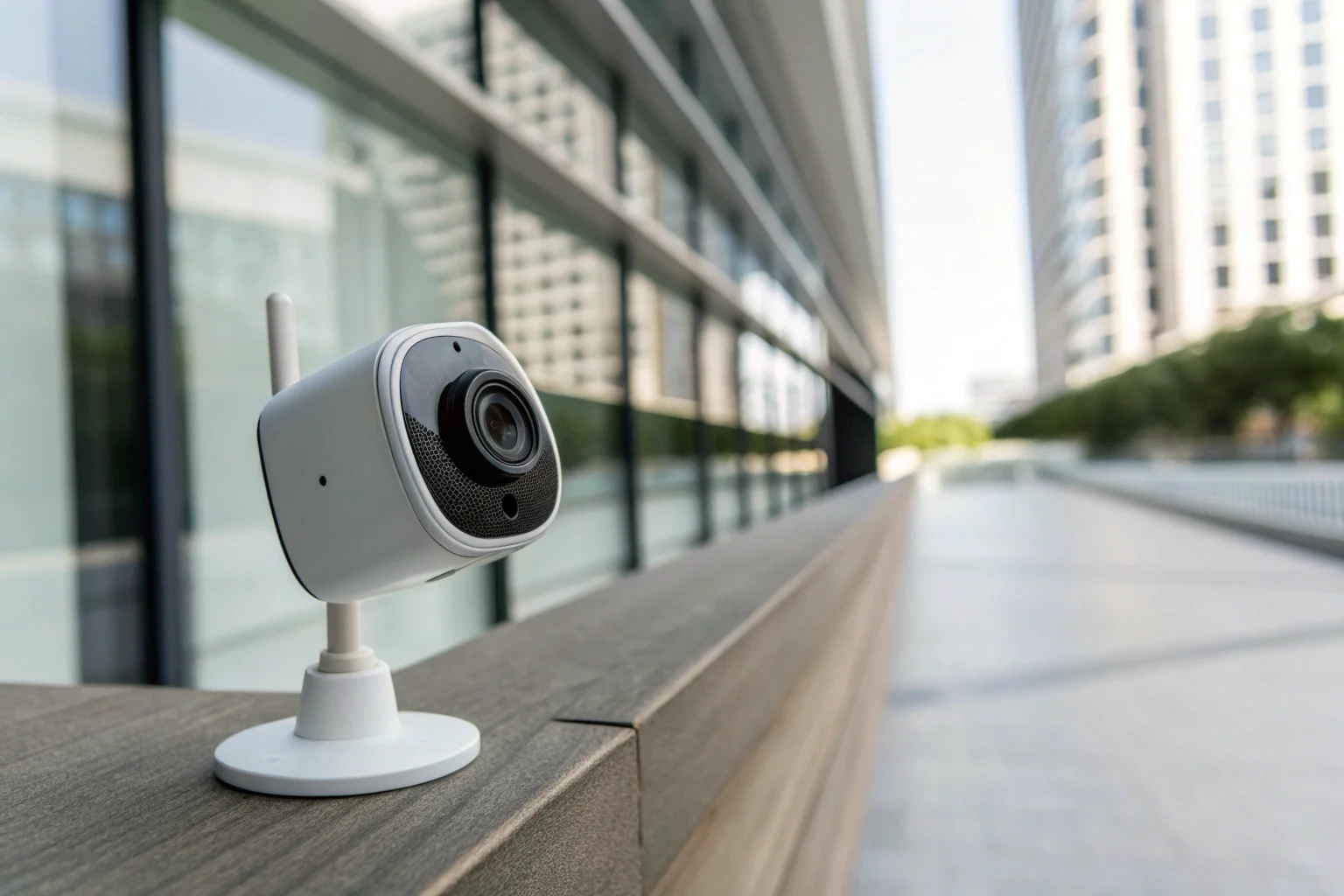
Over my years navigating the factory floors in Shenzhen and now managing our QA teams directly from Italy, I've seen countless European buyers fall into the trap of "ghost" online suppliers. You buy cheap, you get high return rates, and when you need after-sales support, the supplier vanishes. At QZT, we do things differently. Let's look at what actually matters when sourcing mini wireless cameras in 2026.
Which wireless security camera has the longest range?
Struggling with weak signals in large properties? A camera that disconnects frequently is a liability. You need modules designed for maximum range and stability to prevent end-user frustration.
The longest-range wireless security cameras utilise advanced Tuya integration and dual-band Wi-Fi antennas, capable of transmitting clear signals up to 100 metres in open spaces. For enterprise use, signal stability is as crucial as maximum transmission distance.
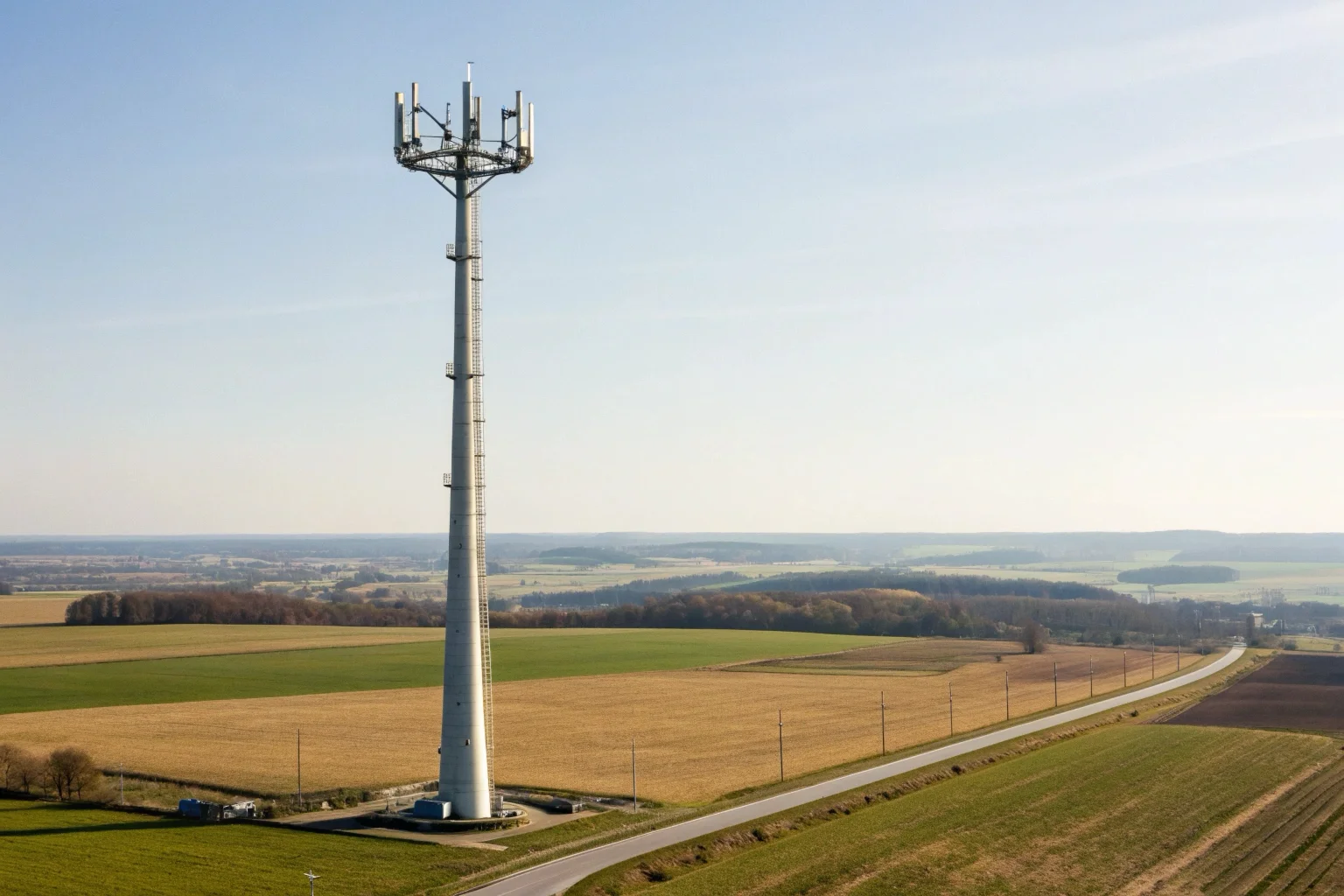
In my experience managing technical queries for premium European markets, "frozen frames" or connection drops are the number one cause of customer complaints. I recently handled an issue where a major retailer's end-users experienced frozen video feeds despite showing 100% Wi-Fi signal. The generic apps their previous supplier used just couldn't handle the data packet transmission over long distances, a common issue when ignoring modern IEEE 802.11 standards for wireless networking. We stepped in with our customised Tuya smart modules. Not only do these modules offer superior range, but we also pushed an OTA (Over-The-Air) firmware update directly from our Italian tech hub to resolve the packet loss. If you are exploring our professional surveillance cameras, you'll notice we prioritise robust antenna design over gimmicky specs. Range means nothing if the application crashes when your client needs it most.
What are the advantages of wireless cameras?
Wasting time and money on complex wired installations? Traditional setups erode your margins through high labour costs and inflexible deployment, making them a tough sell to modern consumers.
The primary advantages of wireless cameras include rapid deployment, zero cabling costs, and flexible repositioning. For B2B sellers, these features translate to higher profit margins, easier remote technical support, and increased appeal to end-users seeking plug-and-play solutions.
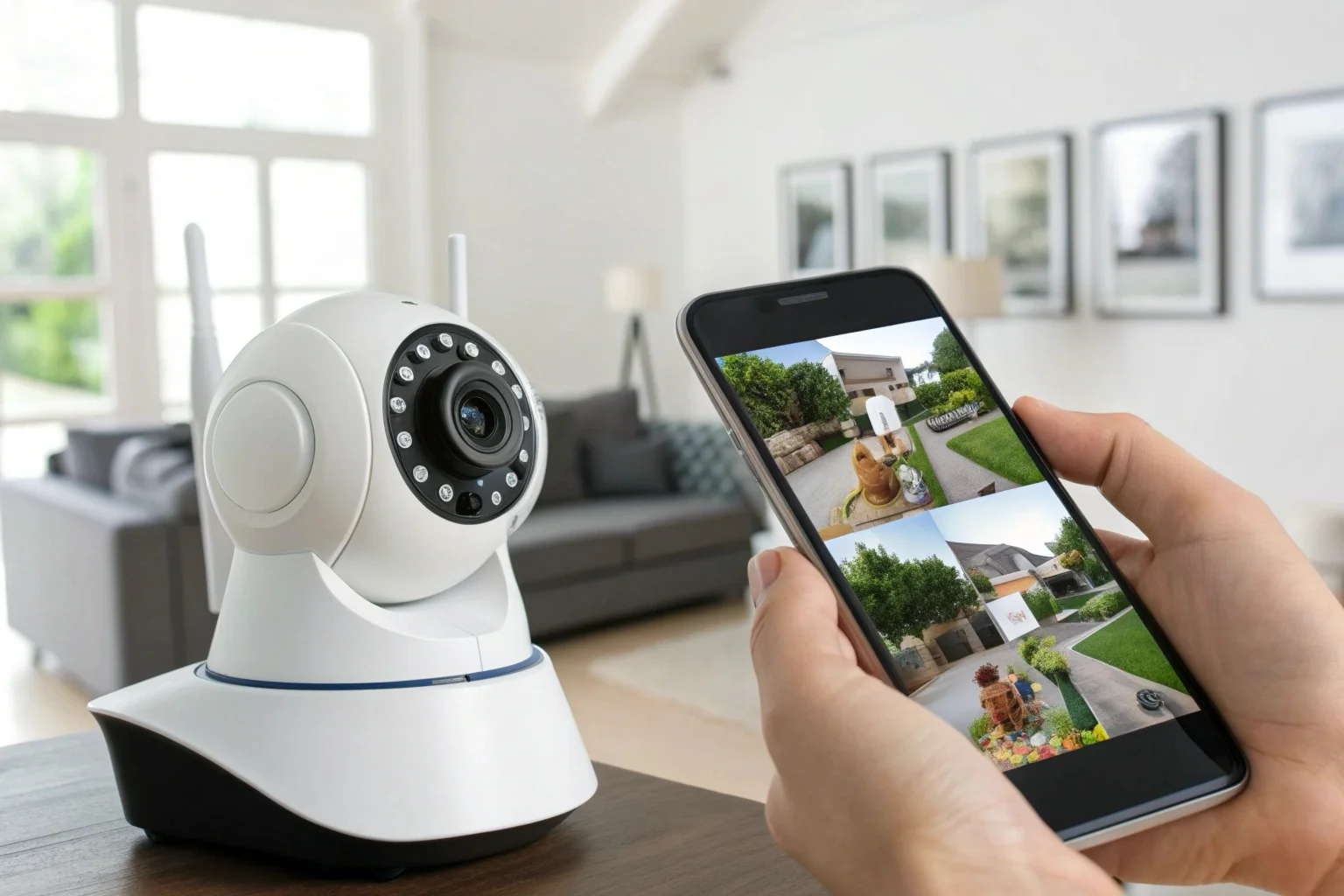
The real B2B advantage isn't just about selling a gadget; it's about selling a frictionless experience. I remember a wholesale client who initially resisted wireless solutions due to perceived instability. We provided them with a batch of our premium battery-powered models featuring strict CE marking requirements compliance. By leveraging these certified products, they bypassed complex European customs bottlenecks—a massive pain point for importers—and immediately reduced their installation complaints by 60%. Wireless models also allow our Italian QA team to provide swift remote diagnostics. If a unit acts up, we don't need the customer to rip cables out of their wall; we can often resolve the issue via software patches. Plus, having a local warehouse means that if a physical replacement is ever needed, it arrives in days, not weeks. We bridge the gap between manufacturing efficiency and premium European service.
¿Cuál es la diferencia entre una cámara inalámbrica y una cámara Wi-Fi?
Confused by suppliers using terms interchangeably? Misunderstanding these technologies leads to buying the wrong inventory for your specific market needs, resulting in dead stock.
A wireless camera refers to how the device transmits video without physical cables, often using proprietary radio frequencies. A Wi-Fi camera is a specific type of wireless camera that connects directly to a standard local Wi-Fi network for internet-based remote viewing.

This is a conversation I have over coffee with nearly every new distributor. They come to me asking for "wireless," but what they actually need for their smart home integrations is Wi-Fi. True wireless RF cameras are excellent for closed-circuit, secure local setups—like highly secure environments where internet access is restricted or disabled. Wi-Fi cameras, on the other hand, are the backbone of modern consumer surveillance. We focus heavily on Wi-Fi models powered by Tuya because it allows seamless smart home integration across Europe. However, you must be cautious. Cheap Wi-Fi cameras flood the market with terrible apps. Our local engineering team frequently rescues clients who bought generic Wi-Fi cameras from other suppliers, only to suffer massive return rates when the app servers went offline. We guarantee server stability and localised support, which is the true differentiator for your brand's reputation.
How long can a wireless camera last?
Tired of customer complaints about dead batteries after just a few hours? Poor power management destroys the illusion of a reliable security system and damages your store's credibility.
A high-quality wireless camera can last anywhere from 90 minutes of continuous recording to several months on standby, depending on the battery capacity (e.g., 450mAh vs. 10,000mAh) and the integration of PIR motion sensor technology for power management.
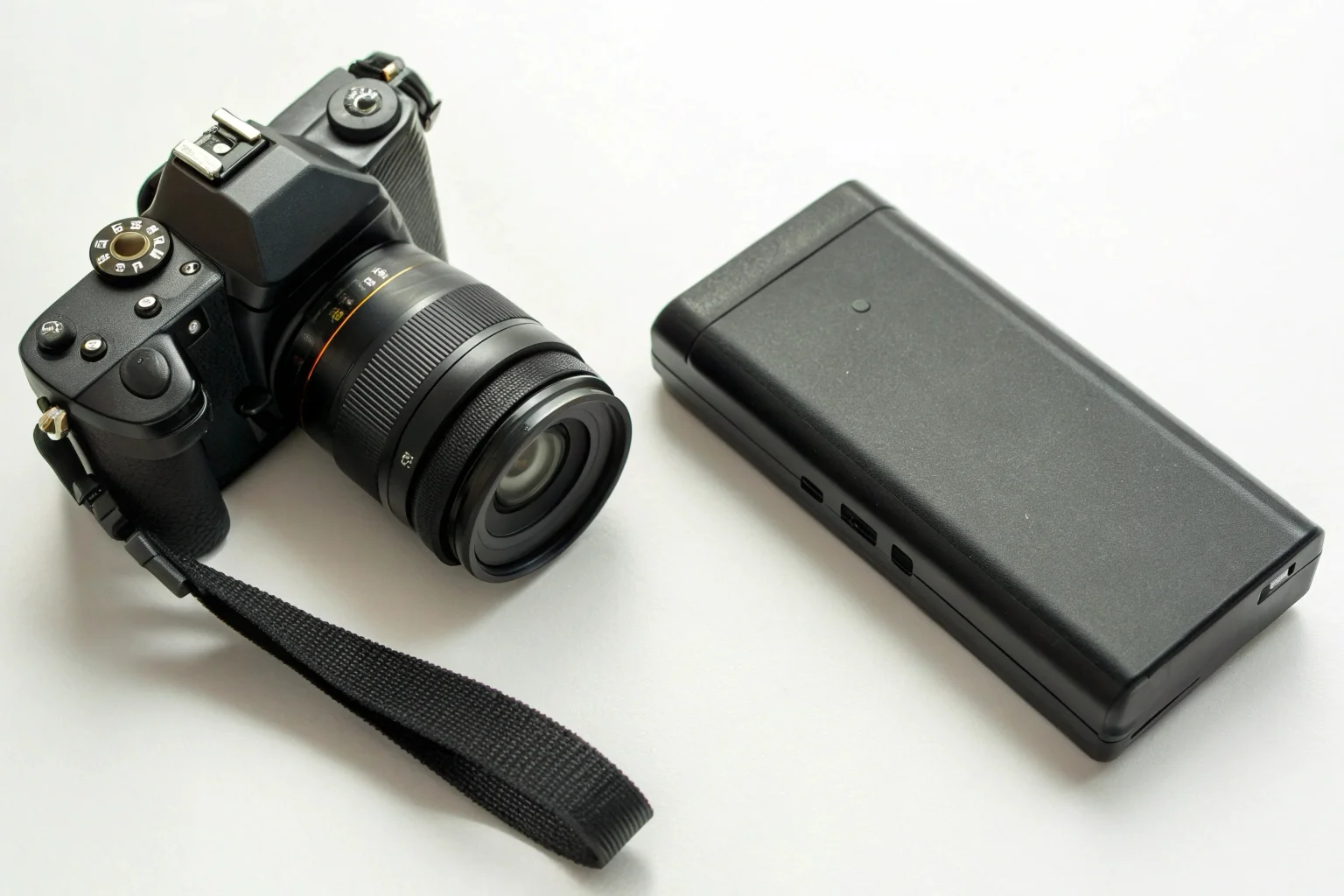
Battery life is where the professionals are separated from the amateurs in this industry. On the assembly floors in Shenzhen, I've seen corners cut on lithium-ion cells more times than I can count. A client once came to us after facing an alarming 14% return rate because their "long-life" cameras from a competitor were dying overnight. We investigated and found the previous manufacturer used degraded cells and completely lacked standby power optimisation. At QZT, we strictly audit our power capacities. We implement PIR (Passive Infrared) sensors so the camera only wakes up and draws heavy power when motion is actually detected. If your end-user faces a battery issue, my team in Italy doesn't just offer an empty apology; we provide transparent battery testing reports, local firmware adjustments, and immediate replacements.
Securing your supply chain in 2026 requires more than just finding the lowest price on a B2B portal. It requires a partner who understands European compliance, local technical nuances, and hardware stability. Partner with QZT, and let's turn your after-sales headaches into reliable, recurring revenue.

 English
  Italiano
  Deutsch
  Français
  Español
  Polski