
Struggling to meet the demand for discreet, hands-free security? Bulky cameras give themselves away, and cheap alternatives fail when it matters. Your clients need sleek video-recording glasses that actually work, ensuring reliable surveillance without compromising their natural appearance.
Spy glasses work effectively by integrating miniature 1080p cameras into standard eyewear frames. While highly trendy in 2026 for seamless point-of-view recording, their cons include limited battery life and heat generation. In Europe, using hidden camera glasses is legal but strictly governed by GDPR, requiring clear consent in private environments.
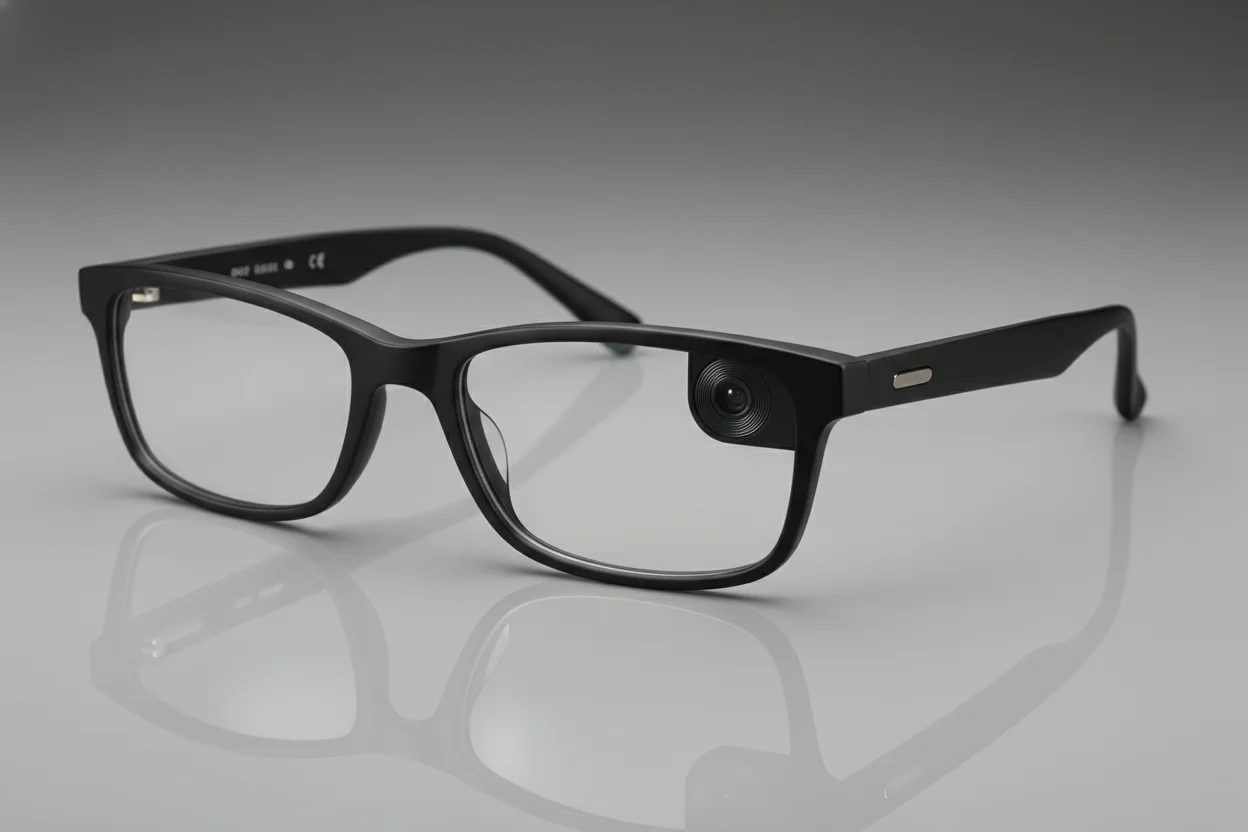
As the Senior Supply Chain & Content Strategist at QZT, I have spent years on the factory floors in Shenzhen and now manage our technical QA teams locally in Italy. I have seen the wearable tech landscape evolve from gimmicky gadgets to essential B2B security tools. Let’s break down what you and your retail clients need to know about video-recording eyewear this year.
Do spy glasses actually work for professional surveillance?
Are your customers skeptical about the reliability of wearable cameras? Many fear that miniaturized lenses produce grainy, unusable footage that fails to capture critical details. High-quality spy glasses solve this by packing true HD sensors seamlessly into the bridge of the frame.
Yes, modern spy glasses work exceptionally well for professional surveillance. Devices like our G3000 model feature true 1080p video resolution and support up to 64GB of storage, capturing clear, hands-free evidence from a first-person perspective without drawing any suspicion.
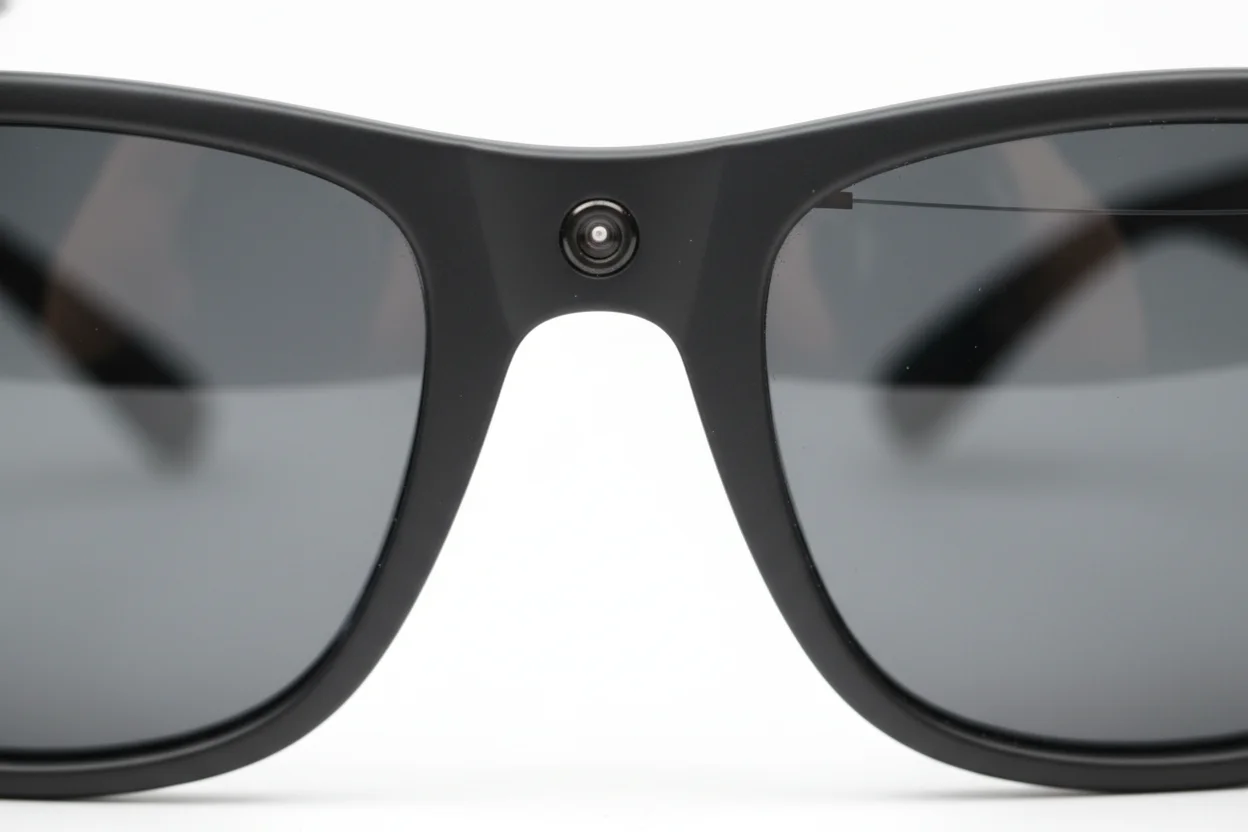
When I first started overseeing our assembly lines, I was amazed at how far miniaturization had come. Today, a camera lens can be seamlessly disguised as a functional part of everyday eyewear. Our top-performing models, which are incredibly popular across premium European markets like France and Poland, use precision-engineered pinhole lenses that are virtually invisible to the naked eye.
But do they work reliably in the field? Absolutely. However, the technology requires strict quality control. I recall a situation where a retail partner received a batch of glasses that suddenly stopped reading memory cards due to a slight internal component misalignment. Because our QZT team is heavily focused on long-term partnerships, we didn’t just offer a generic discount and walk away. We analyzed the fault, routed the defective units to our Italian testing facility, and immediately authorized full replacements. Your reputation depends on selling products that work flawlessly during critical moments. When you partner with us, you get the assurance that our local European QA teams stand behind every pair of glasses we ship.
Navigating European privacy laws can be a nightmare for independent B2B sellers. Selling non-compliant surveillance gear risks hefty fines and sudden inventory confiscation. You need products that meet local regulatory standards to protect your business.
Selling and owning hidden camera glasses is legal in Europe, but their usage is strictly regulated by privacy laws. Users must comply with data protection regulations, meaning recording individuals in private spaces without explicit consent is illegal.

One of the most frequent questions I get from our B2B distributors is about compliance. It is a highly valid concern. We have seen major scandals recently involving corporate smart glasses harvesting user data without permission, causing massive public outcry. For independent sellers, navigating the General Data Protection Regulation (GDPR) is absolutely non-negotiable.
At QZT, we ensure our hardware is CE and ROHS certified, meaning it is legally cleared and safe to be sold within the European Economic Area. However, the legal responsibility of *usage* falls entirely on the end-user. We strongly advise our B2B partners to actively educate their customers. Covert eyewear is an excellent tool for personal security, mystery shopping, or journalistic documentation in public forums, but using them in private changing rooms, restrooms, or confidential offices without consent violates strict European privacy directives. Unlike heavily cloud-dependent smart glasses that risk corporate data leaks, our specialized eyewear relies on localized SD card storage. This gives your clients complete, offline control over their footage, mitigating severe cybersecurity risks and keeping them on the right side of the law.
What is the current trend for spy glasses in 2026?
Are your product offerings feeling outdated? Buyers are no longer satisfied with thick, plastic frames that look like novelty toys from a decade ago. The market demands sophisticated designs that blend seamlessly with professional and casual attire.
The current trend for spy glasses in 2026 focuses on ultra-slim, lightweight frames that perfectly mimic standard prescription or polarized sunglasses. Buyers are increasingly prioritizing standalone, offline data storage over cloud connectivity to maximize data privacy.
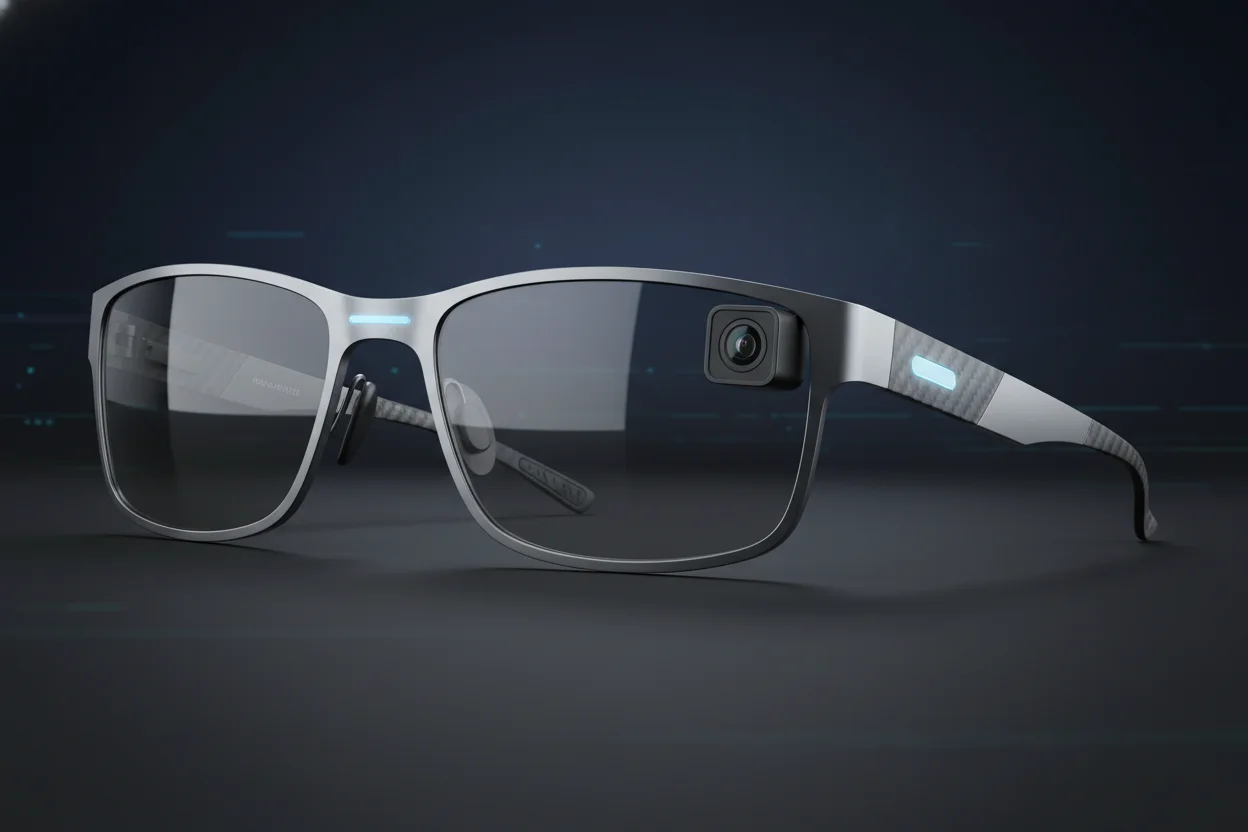
The surveillance market is shifting rapidly. In the past, wearable cameras were inherently bulky, and the oversized battery compartments on the arms were a dead giveaway to anyone paying attention. From my vantage point managing our Italian logistics and support hub, I can see that European buyers are heavily trending toward minimalist aesthetics. They want devices that look and feel indistinguishable from high-end designer eyewear.
We are also seeing a massive pushback against forced cloud ecosystems. With rising global concerns about data harvesting by tech giants, security professionals and private investigators prefer offline, SD-card-based glasses. Furthermore, hardware advancements—many of which align with guidelines published by the IEEE Standards Association regarding micro-battery efficiency—mean we can now fit more processing power into thinner frames. Our clients are requesting glasses that support seamless one-touch recording with discrete vibration feedback, eliminating the need for suspicious, glowing LED indicator lights. If your inventory doesn’t include these low-profile, privacy-first designs, you are missing out on the most lucrative segment of the 2026 wearable security market.
What are the cons of video recording glasses?
Worried about hidden flaws in wearable tech? Ignoring the physical limitations of micro-cameras inevitably leads to angry customer returns and damaged trust. Understanding the drawbacks helps you set realistic expectations for your buyers.
The primary cons of video recording glasses include a limited battery life of around 80 minutes, potential heat generation on the frame during continuous use, and a dependency on high-quality SD cards to prevent file corruption.
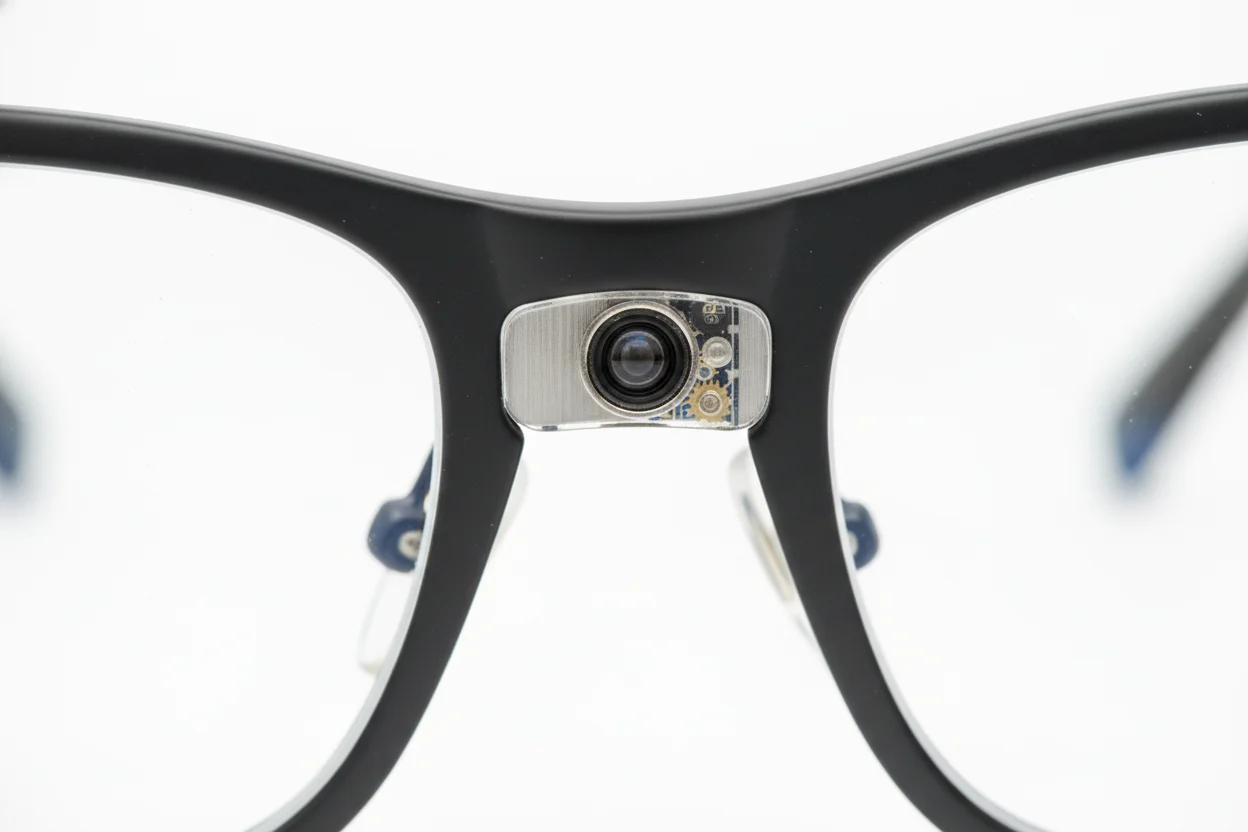
I always believe in being completely transparent with our business partners. Video glasses are incredible tools, but they cannot bend the laws of physics. Because the lithium battery must be tiny enough to fit inside the slender arm of the glasses, the continuous recording time typically maxes out at around 80 minutes.
Additionally, capturing high-definition 1080p video in such a tightly confined space naturally generates heat. While our internal heat-sink designs dissipate this safely, users will inevitably feel the frame get warm against their temples during long recording sessions. Finally, memory card compatibility can occasionally be an issue if end-users insert low-quality, counterfeit SD cards, leading to corrupted files. This is exactly why having a supplier with a local European presence is crucial. If your customer faces a technical hurdle, they don’t have to wait weeks for a response from Asia. My team in Italy is equipped to handle these after-sales questions immediately, whether it’s providing formatting tutorials or executing a rapid replacement. If your clients require significantly longer recording times, you might want to consider exploring our professional surveillance cameras disguised as everyday digital clocks or wall chargers for continuous, plugged-in power.
Conclusion
In a market saturated with cheap, unreliable gadgets, offering premium video-recording glasses gives your B2B enterprise a serious competitive edge. By understanding the current aesthetic trends, navigating privacy legalities, and setting honest expectations about physical limits—and by partnering with a supplier that offers genuine local European support and real-time quality assurance—you can secure your supply chain and build lasting, profitable trust with your clients.

 English
  Italiano
  Deutsch
  Français
  Español
  Polski