
Tired of generic smart cameras dropping offline and “ghost” suppliers vanishing when you need technical support? For European B2B buyers, integrating Tuya WiFi cameras shouldn’t mean gambling with strict CE compliance or battling unstable applications alone.
Integrating Tuya WiFi cameras involves connecting the device to the Tuya Smart or Smart Life app via a 2.4GHz network. This unified ecosystem allows seamless control, automation, and third-party voice assistant compatibility, giving European retailers a highly marketable, plug-and-play surveillance solution.
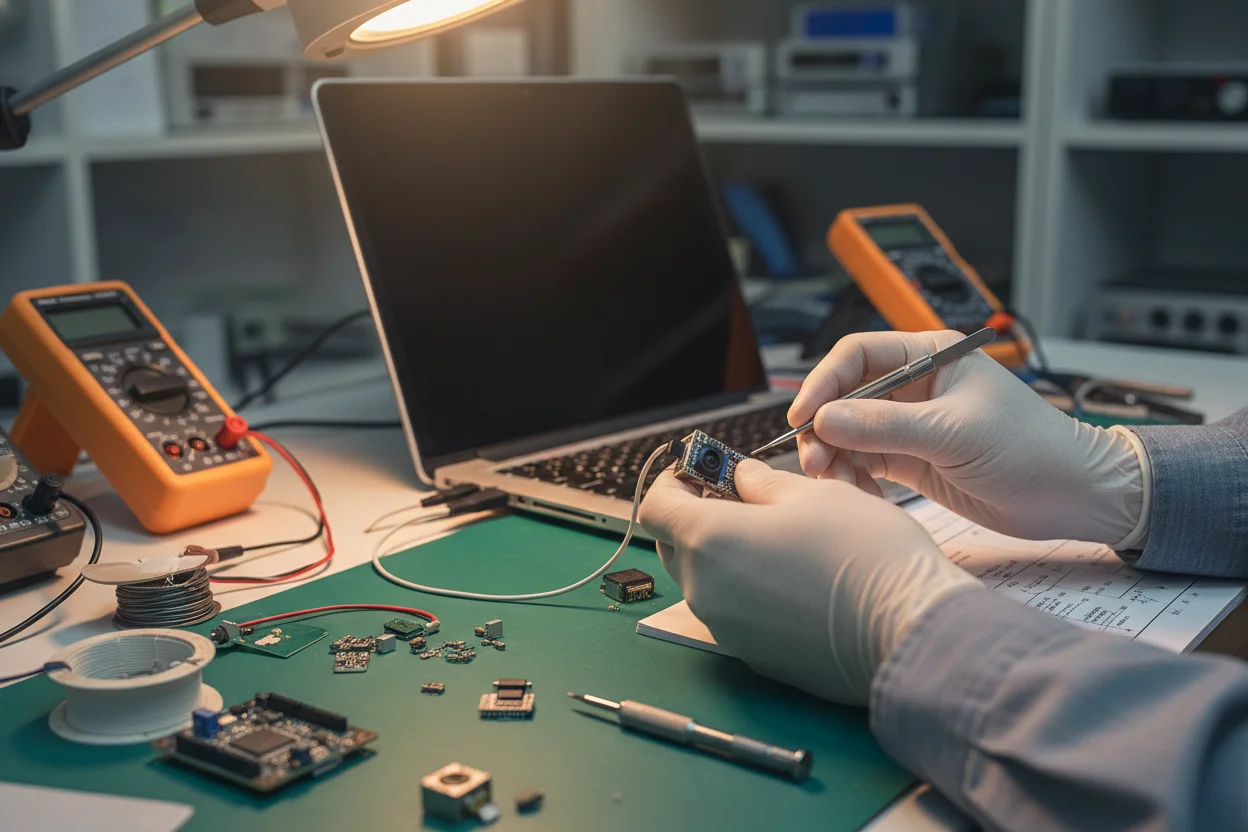
As the Senior Supply Chain & Content Strategist at QZT, I’ve spent years moving from the bustling factory floors of Shenzhen to directly overseeing our local assembly and QA teams right here in Italy. I know firsthand that adding a smart camera to your product lineup is easy, but keeping it online and compliant is the real challenge. Let’s explore how you can build a stable, profitable smart security portfolio.
What kind of products work with Tuya?
Struggling to find unique, discreet designs that actually support modern smart ecosystems without looking like bulky, outdated CCTV eyesores? It’s a common hurdle for independent retailers.
Tuya works with an enormous range of IoT devices. In the security sector, this includes smart sockets, hidden lens modules, disguised desk clocks, and miniature Wi-Fi cameras specifically designed for highly discreet, covert monitoring.
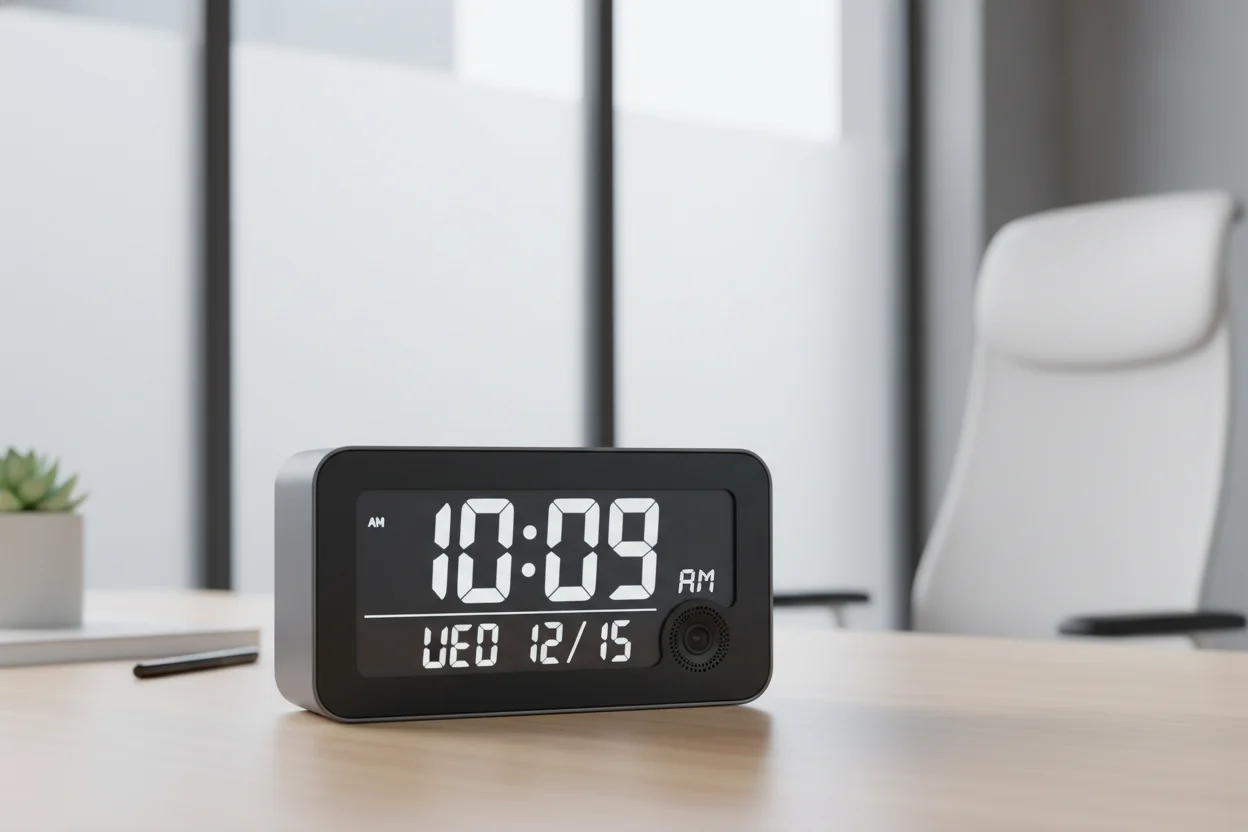
We specialize in the discreet side of security. While standard manufacturers pump out generic plastic domes, our focus is on high-margin, concealed solutions. Whether you are outfitting an independent B2C store or building custom solutions for system integrators, exploring our professional surveillance cameras reveals devices like our C10 Tuya series—modules so small they can be seamlessly built into everyday objects. My Italian assembly team frequently customizes these micro-lenses to fit specific European retail needs. By utilizing the Tuya ecosystem, these tiny devices instantly gain enterprise-grade app interfaces, motion alerts, and cloud storage options. You don’t need to develop a proprietary app from scratch; you just leverage our hardware expertise paired with Tuya’s global infrastructure.
What are the advantages of Tuya?
Are your customers frustrated by juggling five different apps just to turn on their lights and check their security cameras? App fatigue is a real conversion killer in modern electronics.
The primary advantage of Tuya is its unified ecosystem. It allows users to control lighting, sensors, and cameras from a single application, offering high scalability, robust cloud infrastructure, and immediate compatibility with Amazon Alexa and Google Assistant.
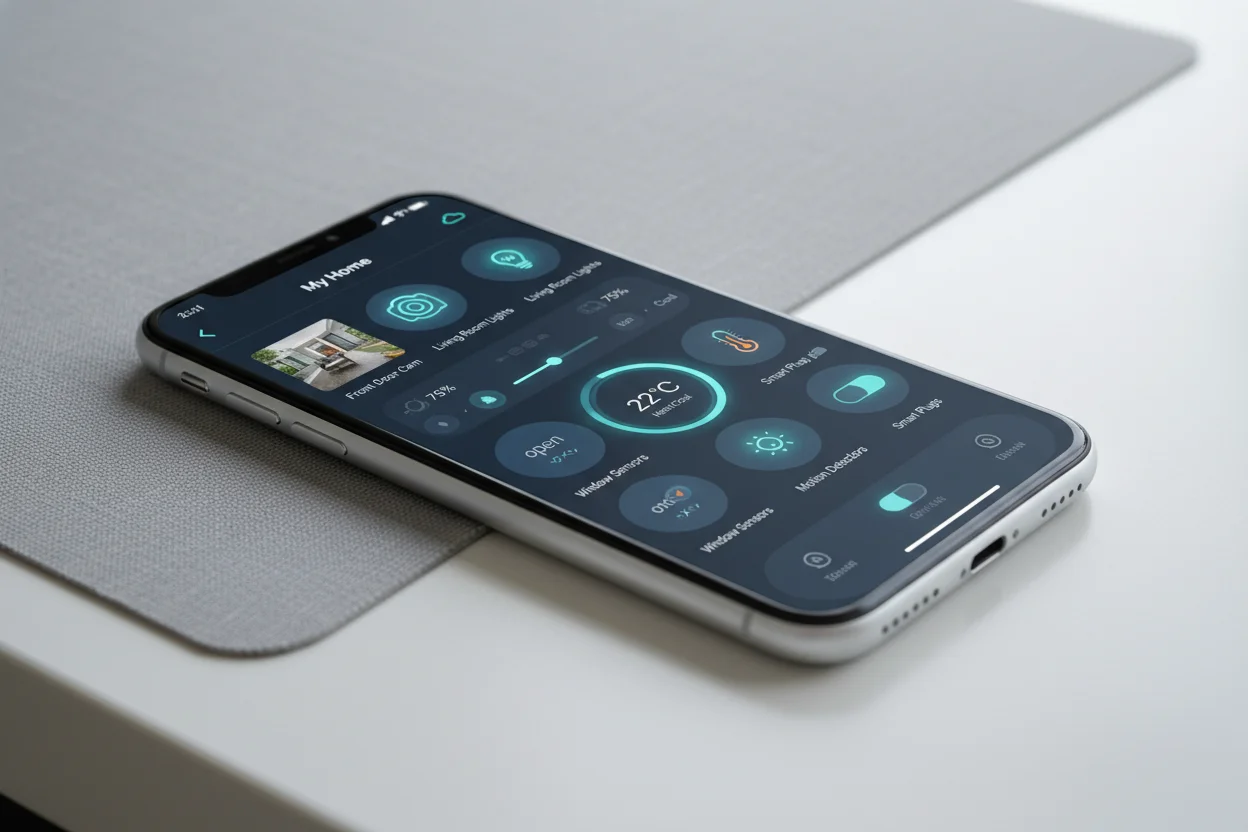
For European B2B buyers, the real advantage isn’t just user convenience; it’s marketability and compliance. When you partner with a manufacturer that understands the nuances of the Tuya platform, you can confidently sell a product that integrates seamlessly into a modern smart home. I always remind our partners in premium European markets that selling a Tuya-enabled device significantly lowers the barrier to entry for the end-user. Furthermore, reputable Tuya modules are designed to align with strict European standards. Navigating the CE marking regulations is notoriously difficult for electronic imports. Because our QZT teams manage the entire supply chain from Shenzhen down to our local QA testing in Italy, we ensure that the Tuya modules we use not only connect flawlessly but also meet all legal requirements for safe, compliant retail in your region.
What are the risks of Tuya?
Worried about soaring return rates because cameras inexplicably drop offline or video feeds freeze at the worst possible moments? Unstable firmware can ruin a brand’s reputation overnight.
The main risks involve dependency on cloud connectivity and firmware bugs. Devices can randomly drop offline if they miss routine cloud check-ins, or suffer from frustrating screen freezing despite showing a strong local Wi-Fi signal.
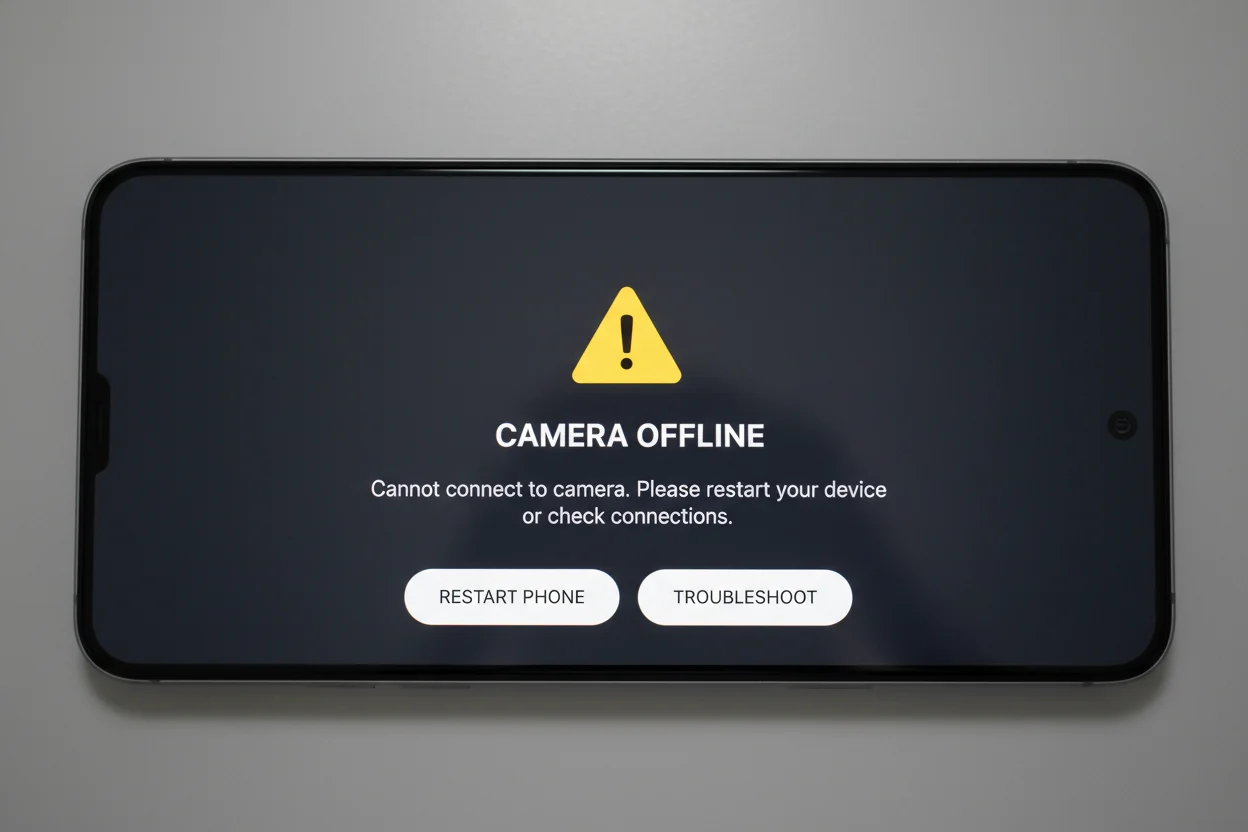
Let’s talk about the reality on the ground. If you look at tech forums today, you will see a massive, recurring complaint: Tuya devices randomly going offline because of dropped cloud check-ins or IP lease issues. Recently, a European e-commerce client of ours faced a similar nightmare. They reported that their smart hidden cameras were freezing; the audio worked perfectly, the Wi-Fi showed 100%, but the video was stuck. A “ghost” supplier would have ignored them or blamed the internet. Instead, our local Italian technical team immediately diagnosed a firmware conflict. We didn’t just apologize; we developed and pushed a custom firmware upgrade package directly to the client with step-by-step local support. Understanding these risks—and having a partner like QZT who provides immediate, localized after-sales support—is the difference between a devastating product return rate and building a loyal, repeat customer base.
How to integrate Tuya?
Dreading the technical headache of onboarding new smart devices onto complex local networks or advanced home automation servers? Complex setups often lead to abandoned shopping carts.
Integration is generally plug-and-play via the Tuya app using a 2.4GHz Wi-Fi connection. For advanced setups, users can link their Tuya accounts to localized platforms to extract video streams or automate cross-device routines.
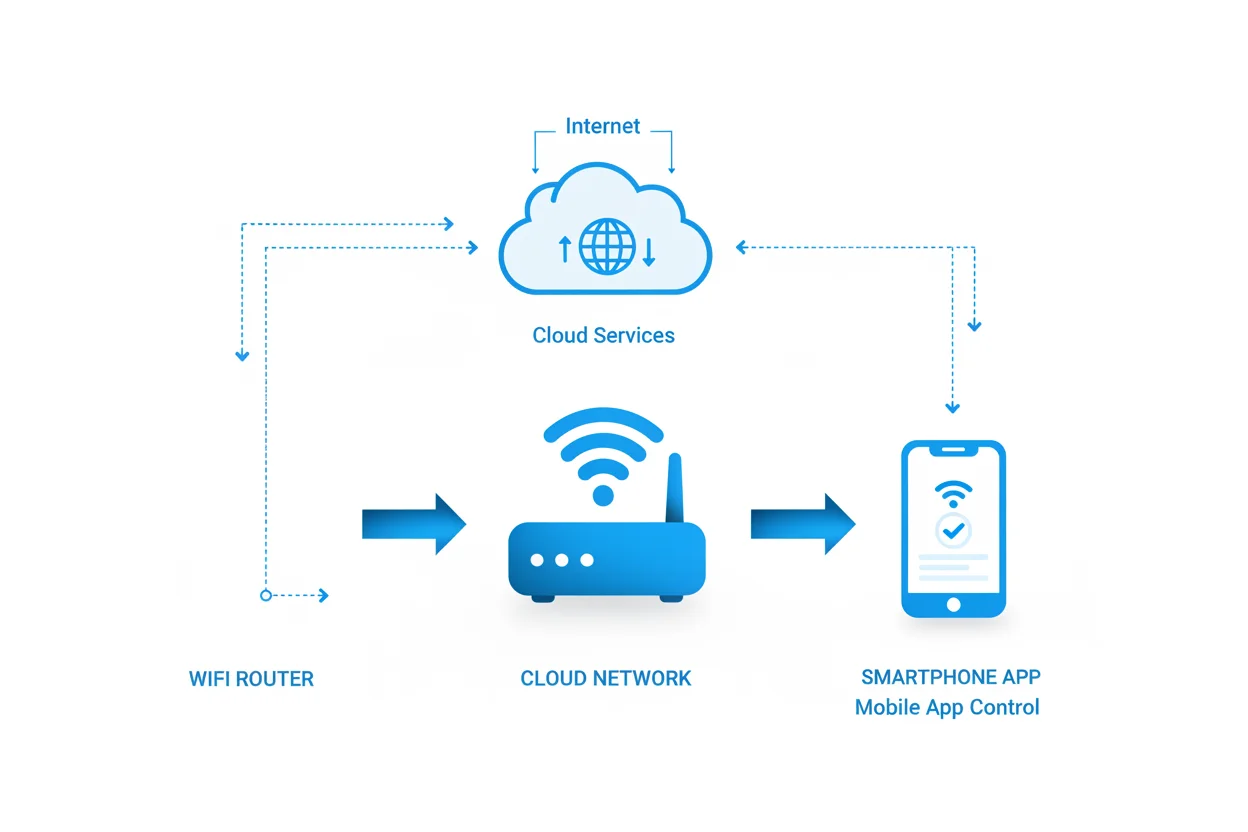
At the consumer level, integrating a Tuya camera is incredibly straightforward: put the device in pairing mode, open the application, enter the 2.4GHz Wi-Fi credentials, and scan the QR code. But for your more tech-savvy B2C customers, integration goes much deeper. Many advanced users want to pull local RTSP streams or use WebRTC to bypass cloud latency entirely. While standard Tuya firmware heavily relies on cloud infrastructure, understanding the Home Assistant community protocols allows your customers to bridge these devices into highly customized local servers. At QZT, my team and I frequently advise our B2B partners on exactly how to market these integration capabilities. Because we handle the complex technical QA from our Italian base, you can confidently assure your buyers that whether they are doing a simple app setup or a complex smart home integration, the hardware will respond reliably.
Conclusion
Selling smart cameras in Europe shouldn’t mean dealing with silent factories and unstable apps. By leveraging the Tuya ecosystem with a trusted partner like QZT, you secure your supply chain with local Italian support, rigorous QA, and the technical agility to solve issues before they become returns. Partner with us, and let’s build a profitable, reliable security catalog together.

 English
  Italiano
  Deutsch
  Français
  Español
  Polski