
Is Our Corporate Meeting Data Secure with an AI Assistant?
Struggling to balance the immense efficiency of AI meeting notes with the strict realities of European data privacy laws? You are certainly not alone in fearing corporate leaks from generic consumer apps. Let's separate the convenience from the compliance.
AI notetakers offer incredible efficiency but introduce severe data security risks, particularly under GDPR. Securing corporate meeting data requires hardware-level encryption, localised processing, and compliant professional recording solutions, rather than relying solely on vulnerable, cloud-based consumer applications.
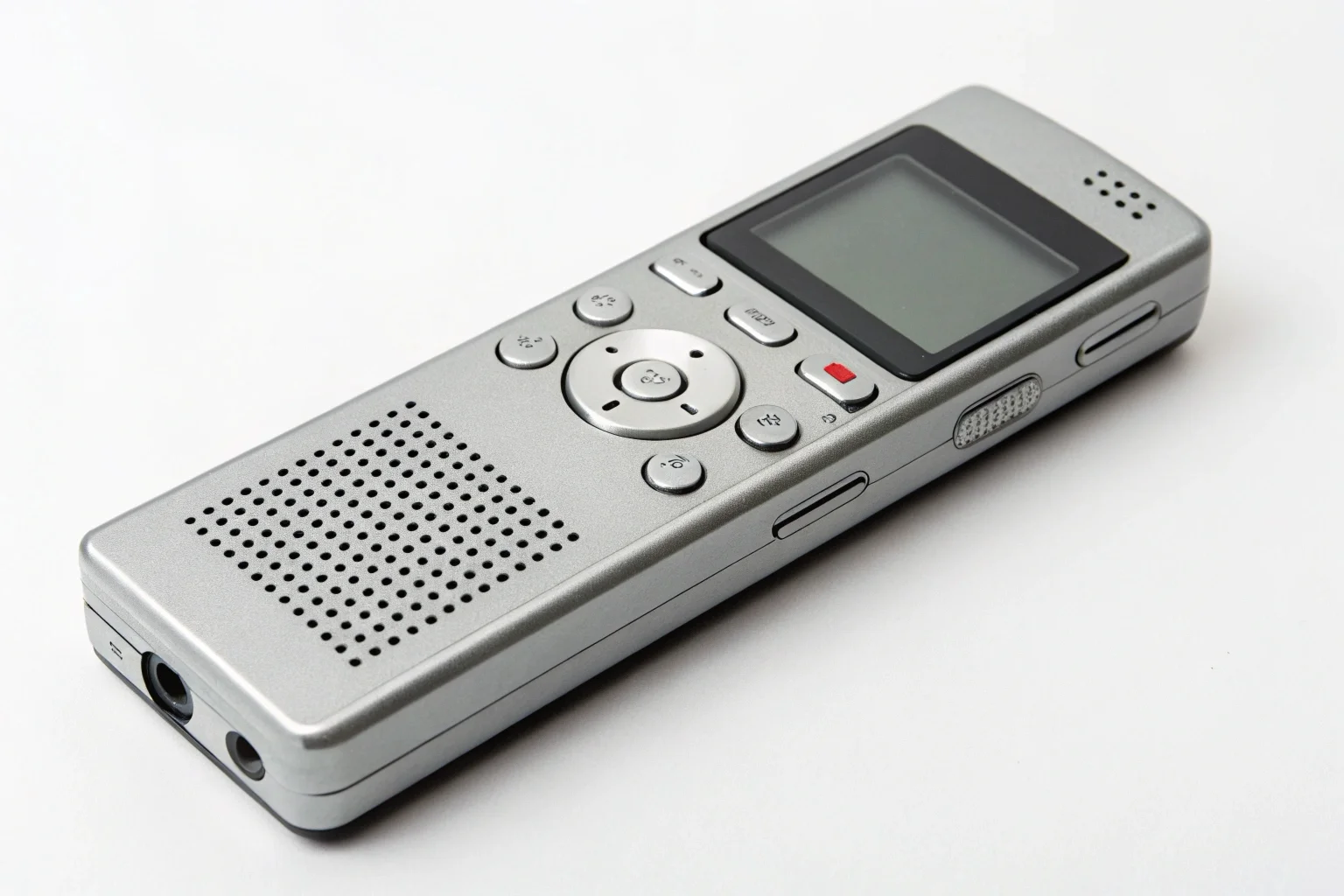
I’m Taylor Li, and over my years moving from the bustling factory floors in Shenzhen to managing our local assembly and technical QA teams directly here in Italy, I’ve seen the evolution of B2B hardware firsthand. We are moving into an era where every client wants "smart" features, but very few understand the supply chain and data vulnerabilities behind them. When European independent retailers and system integrators come to us, their primary concern isn’t just audio quality—it’s protecting their end-users from data breaches. Grab a coffee, and let’s dive into what’s really happening with your meeting data.
How Do AI Notetakers Actually Work?
Does the magic of instant transcripts mask a highly vulnerable data journey? Understanding the underlying technology is the first step in protecting your corporate secrets.
AI notetakers capture audio, transmit it to external cloud servers, process it through large natural language models, and return a text transcript. This multi-step transmission between your local device and third-party servers is where data vulnerabilities typically emerge.

Dive Deeper: When you activate a standard AI meeting assistant, the device is essentially acting as a microphone that blindly streams data to a third-party cloud. From my experience overseeing firmware and technical integrations, the hardware itself is often sound, but the software layer is a black box. The audio is compressed, sent over the web, and fed into an algorithm that might even use your sensitive boardroom discussions to train its public models.
For B2B buyers, relying on generic, unstable apps leads to incredibly high return rates and security complaints. We recently had a client transition to our solutions because their previous supplier’s generic app kept dropping connections and backing up data to unsecured, non-compliant servers. To mitigate this, professional systems use edge computing—processing the audio locally on the device—or utilize heavily encrypted point-to-point cloud transfers. It is a rigorous process to ensure that the hardware handshake is secure from the moment the recording starts.
Are AI Notetakers GDPR and HIPAA Compliant?
Fearing hefty fines and ruined reputations from non-compliant software? In premium European markets, data compliance is absolutely non-negotiable.
Most consumer-grade AI notetakers are not fully GDPR or HIPAA compliant by default. Enterprise compliance requires explicit consent mechanisms, zero-retention data policies, and secure, encrypted hardware endpoints that guarantee data sovereignty.
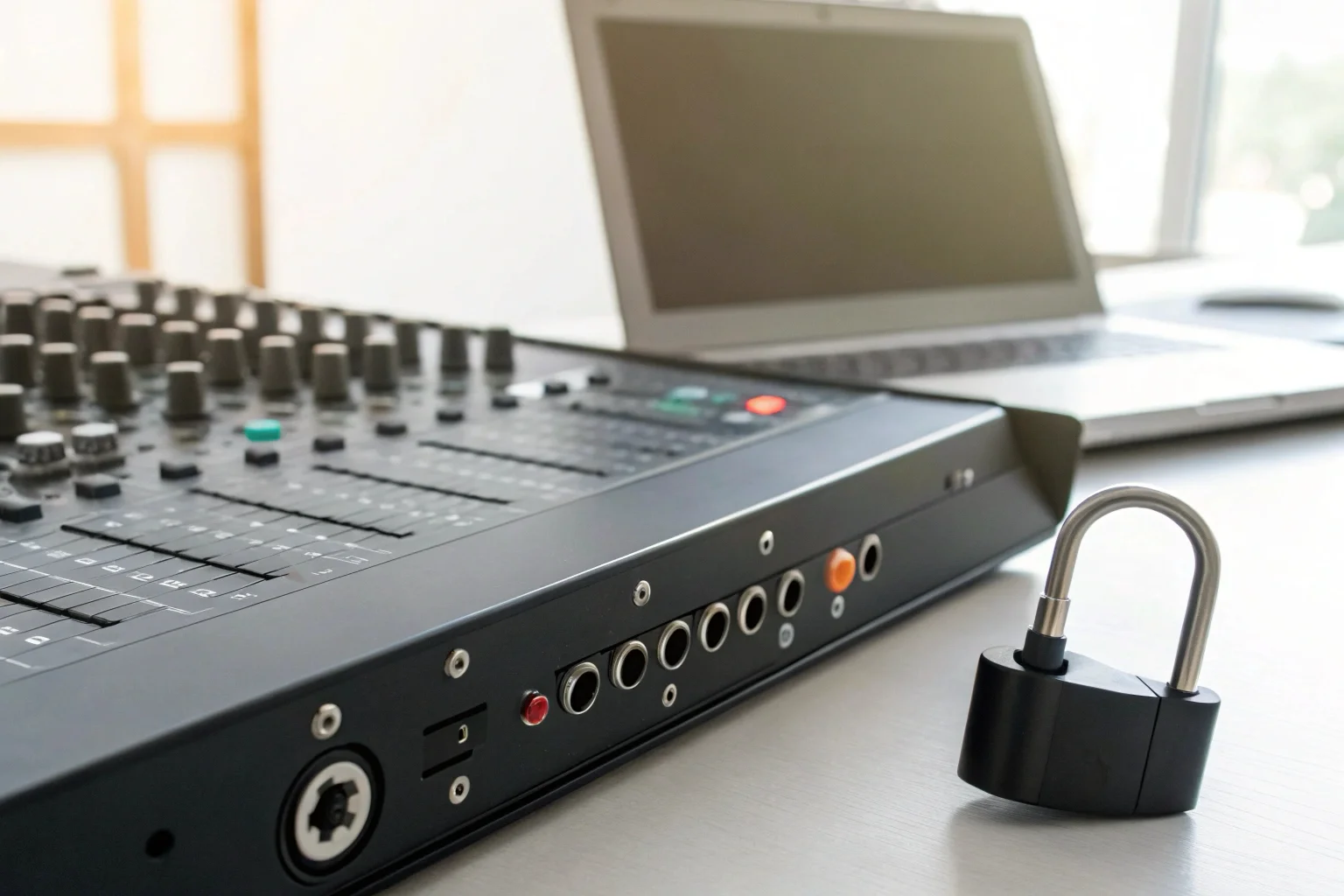
Dive Deeper: You simply cannot take a consumer gadget, slap an AI label on it, and sell it to an enterprise in Germany or France. The regulations are fiercely strict, and rightly so. If a device captures biometric data (like voiceprints) without explicit, auditable consent, it violates GDPR. Similarly, for medical or legal clients, HIPAA compliance requires rigorous data encryption at rest and in transit.
My team in Italy deals with this daily. Recently, an e-commerce partner in Italy needed a batch of professional audio devices. They were highly hesitant about direct shipments from overseas due to customs delays and complex VAT regulations, but more importantly, they needed hardware that didn't forcefully push data to foreign servers. Because we hold local stock and manage QA right in Europe, we routed the hardware locally, provided compliant VAT invoicing, and ensured the devices met strict local privacy standards. If you are building a secure corporate environment, you must discover discreet voice recorders that prioritize hardware encryption over gimmicky cloud features.
What Are the Risks of AI Notetakers for B2B Teams?
Are unsecured audio files acting as a silent goldmine for corporate espionage? Ignoring the backend data flow of your devices is a critical business risk.
The primary risks include unauthorized data sharing to train public AI models, cloud server breaches, and non-compliance with regional data sovereignty laws, which can inadvertently expose sensitive trade secrets and client information.

Dive Deeper: The risks go far beyond a simple hack. I've spent years analyzing the gritty details of B2B trade, and the biggest unseen threat is "ghost" suppliers who provide hardware with generic, unpatched software. When a vulnerability is found, there is no local support or firmware update available.
In a corporate meeting, you are discussing financial projections, unreleased product specs, and strategic partnerships. If your AI notetaker is logging that data in an unencrypted server to "improve service quality," your proprietary data is compromised. Furthermore, we've seen instances where generic apps require excessive smartphone permissions, turning a simple recording tool into a massive privacy liability. Quality control isn't just about making sure the buttons work; it's about ensuring the firmware is locked down and the local apps are rigorously tested against security standards.
What is the Best AI to Take Notes During a Team Meeting?
Tired of compromising between cutting-edge smart features and ironclad data security? Finding a balanced solution is the key to modern B2B partnerships.
The best solution pairs offline or edge-processed AI with premium, hardware-encrypted B2B recording devices. This hybrid approach guarantees pristine audio capture while keeping sensitive data entirely within your corporate firewall.
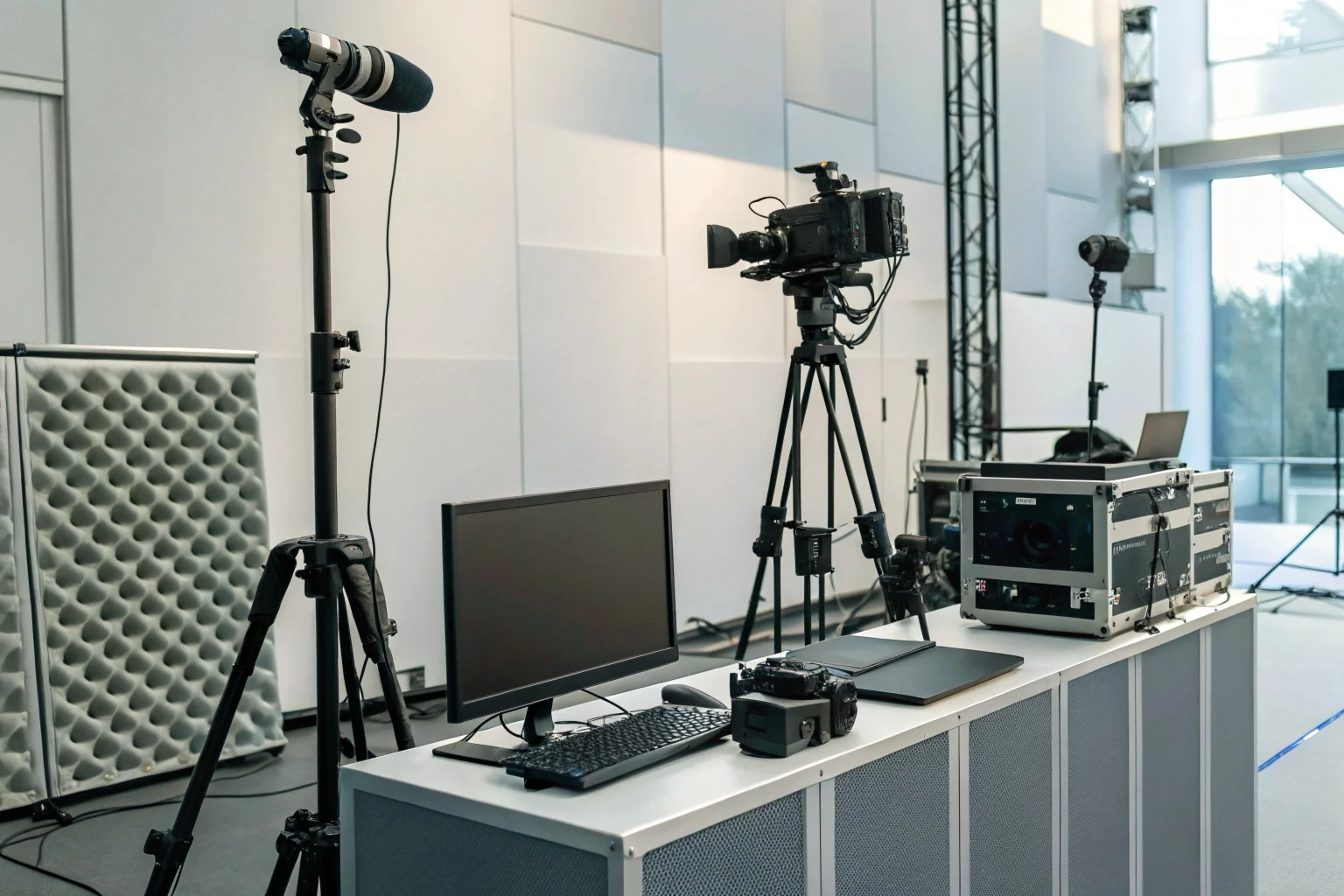
Dive Deeper: If you are an independent retailer or system integrator looking for a long-term, stable partner, you need to offer your clients hardware they can trust. The "best" AI is one that acts as a secure, closed-loop system.
Instead of relying on a phone app that listens constantly, I always advise our European partners to use dedicated, professional hardware for the actual recording. You capture the audio securely, transfer it via an encrypted physical connection (like USB-C) to a localized, firewalled computer, and run a localized AI transcription model (like an offline version of Whisper). This removes the cloud vulnerability entirely. At QZT, our focus is on providing the robust, CE/ROHS compliant hardware layer. We handle the strict quality control, the local European shipping, and the immediate after-sales support, so you can assure your corporate clients that their boardroom secrets remain exactly that—secrets.
Conclusion
Embracing AI for corporate efficiency doesn't mean you have to surrender your data privacy. By understanding how these tools process audio, demanding strict GDPR and HIPAA compliance, and relying on secure, professionally manufactured hardware, European B2B buyers can offer solutions that are both smart and impenetrable. Partnering with a reliable manufacturer that offers local QA and transparent supply chains is the definitive way to secure your business and your clients' trust.

 English
  Italiano
  Deutsch
  Français
  Español
  Polski