
Finding reliable GPS tracker suppliers is tough. Many offer low-quality products without the right certifications, putting your business and reputation at risk. I'll guide you through it.
The best pet trackers combine GPS and cellular technology for unlimited range. Key features for your customers are a lightweight, waterproof design and a long-lasting battery. For your business, the best suppliers offer verifiable CE/ROHS certifications and European warehousing for fast, reliable delivery.
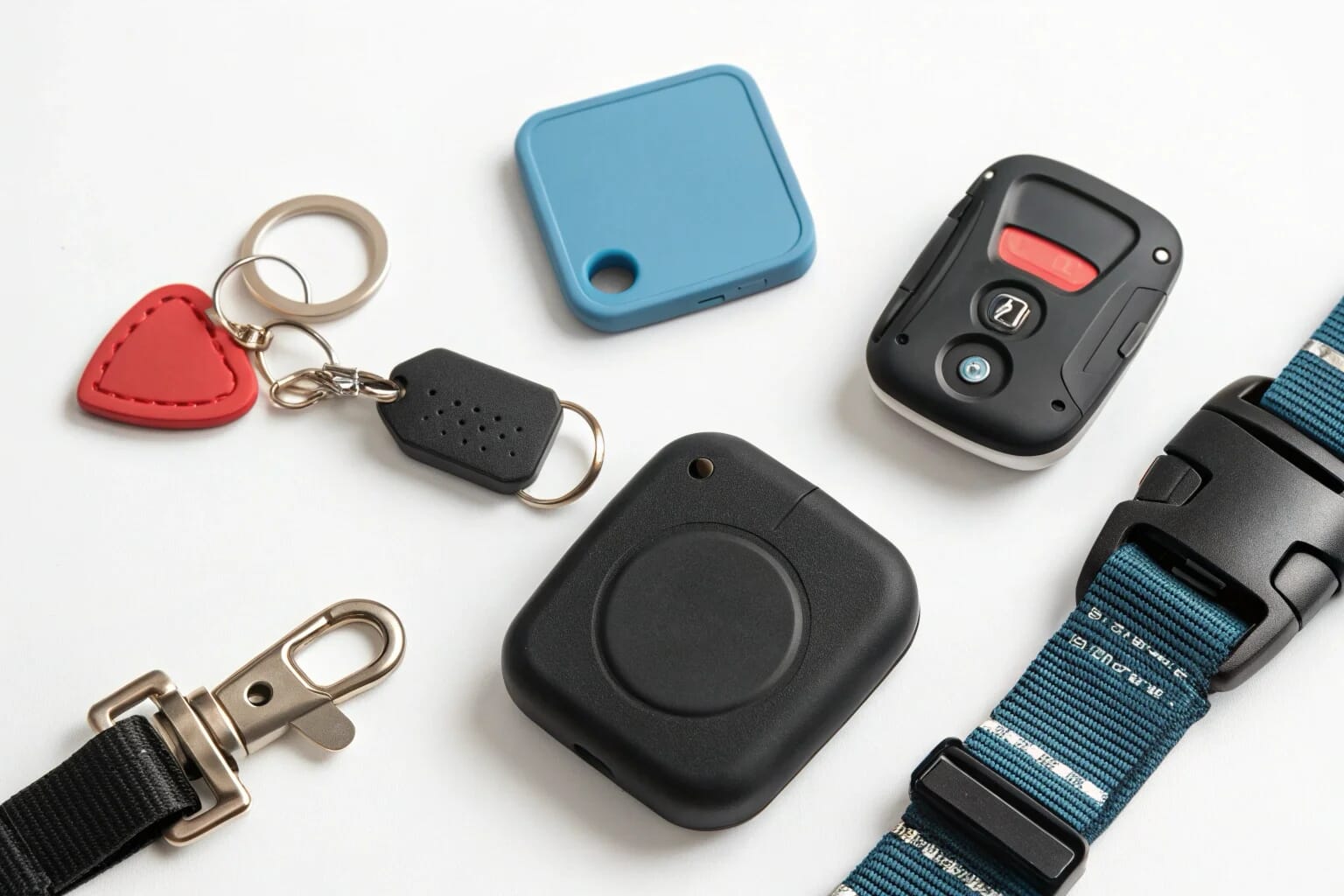
Choosing the right product for your e-commerce store is the first step. But understanding the technology helps you select a supplier who won't let you or your customers down. Let's look at the details that matter most to pet owners.
What kind of GPS tracker is best for pets?
Choosing the wrong pet tracker leads to unhappy customers. A bulky design or inaccurate location is a real problem. Let's find the perfect type of tracker to stock in your store.
The best pet tracker uses a mix of GPS, cellular, and sometimes Wi-Fi for accurate tracking anywhere. You should look for a lightweight, waterproof device with a secure collar attachment. These features promise reliability and comfort, which is exactly what your customers are looking for.
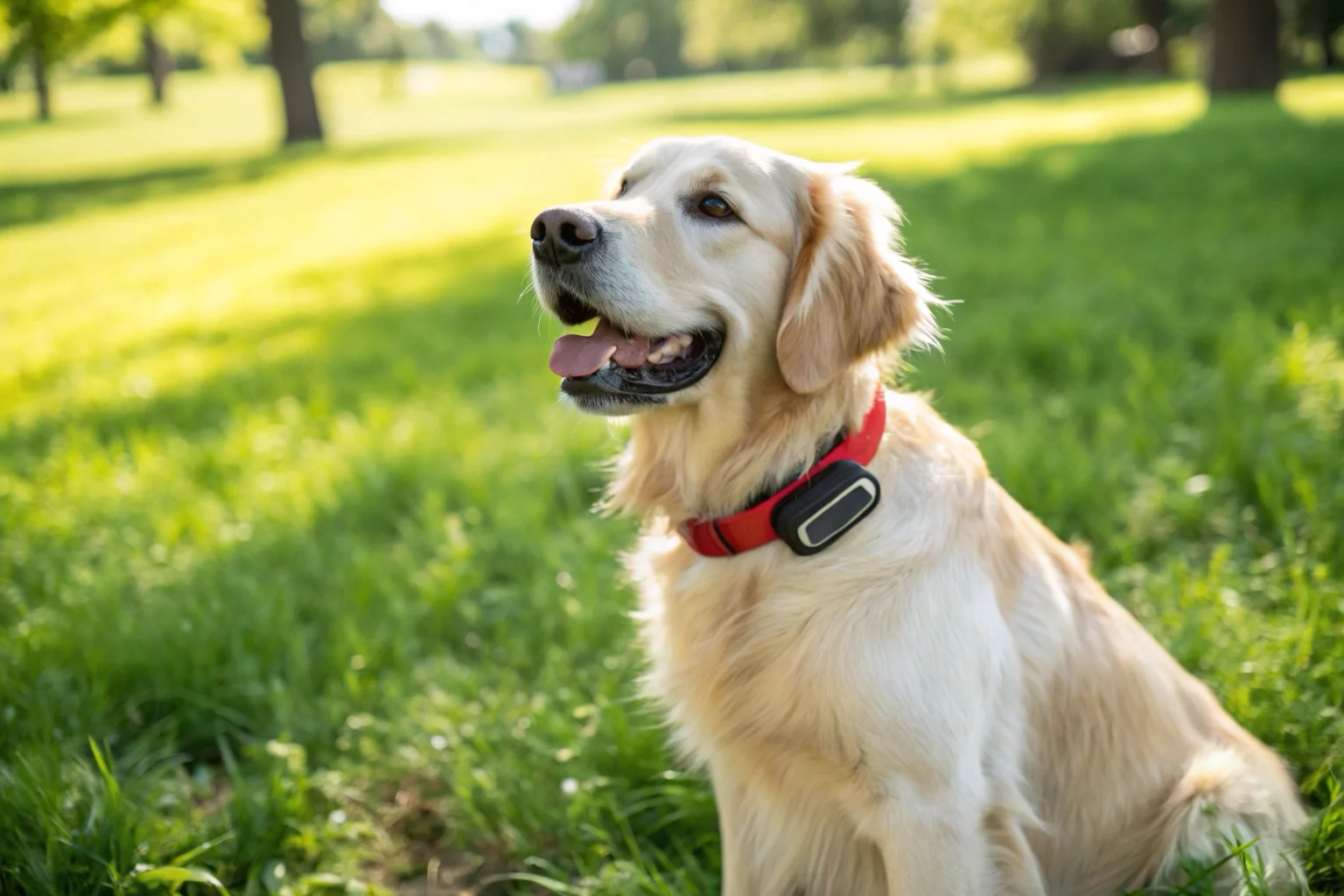
When I talk to clients like Agnieszka, who runs a successful online store in Poland, we always discuss the technology inside the products. It’s not just about the features list; it's about how those features actually work in the real world. For pet trackers, the tracking technology itself is the most important part. Some trackers use older, less reliable methods. You need to know the difference to avoid stocking your store with products that will lead to customer complaints. This is similar to how we select our wearable cameras; they must be practical and dependable for daily use.
Key Tracking Technologies
| Technology | Pros | Cons | Best For |
|---|---|---|---|
| GPS + Cellular | Unlimited range, highly accurate outdoors | Requires a subscription, higher cost | Finding lost pets anywhere |
| Bluetooth | Low cost, very long battery life | Very short range (under 100 feet) | Finding keys or pets in your home |
| Radio Frequency | No subscription, good range (up to a few miles) | Bulky, prone to interference from buildings | Vets or pet owners in rural areas |
For an e-commerce business targeting typical pet owners, the GPS + Cellular models are the gold standard. They provide the peace of mind that customers are willing to pay for.
What is the range of a pet GPS tracker?
A limited range makes a tracker useless. Your customers will get very frustrated if they can't find their pet just a few blocks away. This hurts your brand and leads to product returns.
A real GPS tracker gives you unlimited range. As long as the device can connect to a cellular network, just like a mobile phone, you can track a pet from anywhere in the world. Bluetooth-only trackers, on the other hand, are limited to about 30-100 feet.
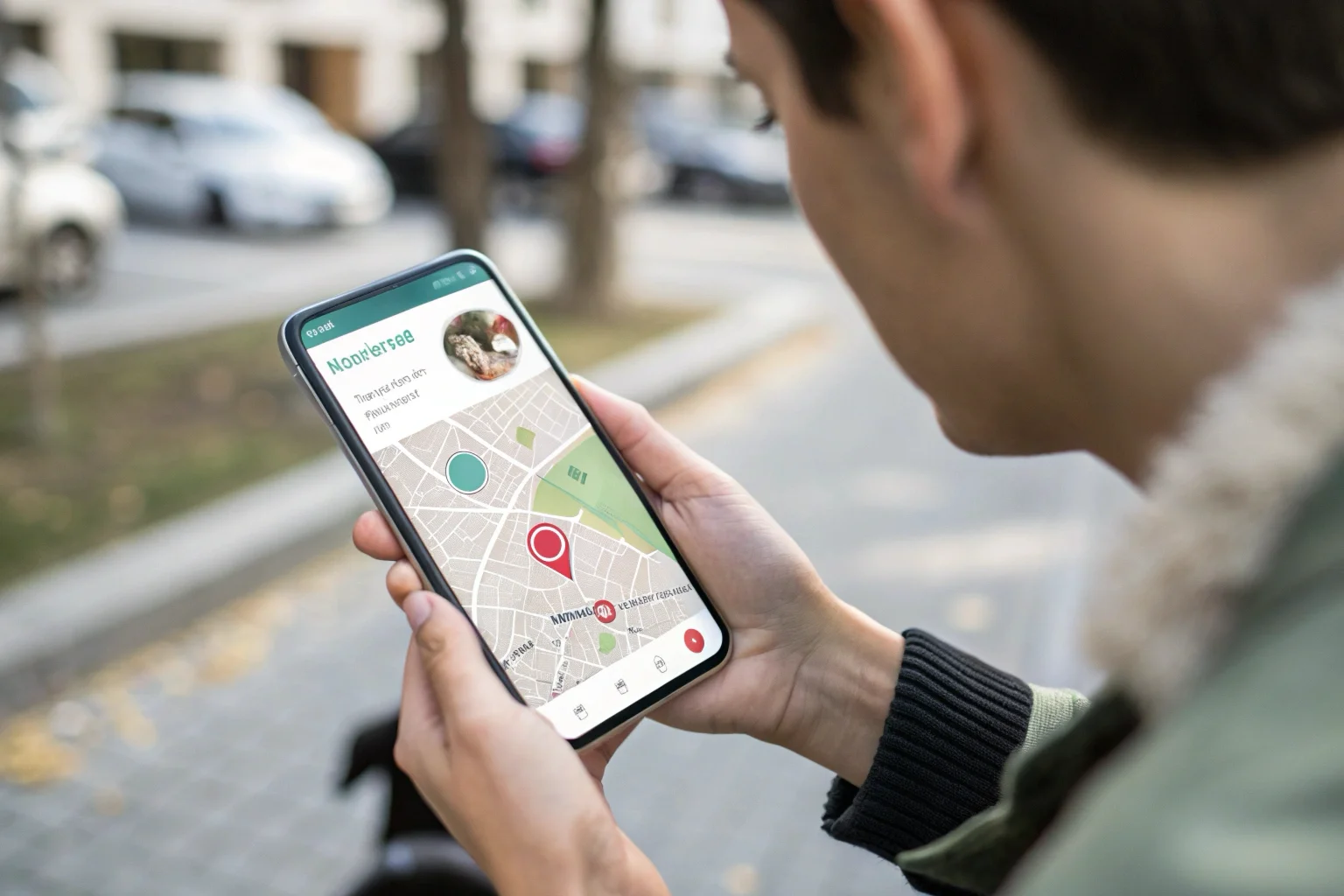
The term "unlimited range" is a huge selling point. It’s important you can explain to your customers how it works. The tracker uses GPS satellites to find its location. Then, it uses a built-in SIM card and a cellular connection to send that location data to the owner's smartphone. This is why these trackers require a small monthly subscription fee, to cover the cellular data. You should be clear about this on your product pages. Another powerful feature to look for is geofencing, or "safe zones." This allows the owner to draw a virtual fence on a map, for example, around their house and yard. If the pet leaves this area, the owner gets an instant alert on their phone. This proactive security is a major reason people buy these devices. It's the same principle behind the security alerts people get from hidden cameras designed for everyday home use.
How long does a pet tracker's battery usually last?
A dead tracker is no tracker at all. If the battery dies quickly, your customers will feel insecure and blame the product. This leads to negative reviews that can damage your business.
Pet tracker battery life can be anywhere from one day to several weeks. It really depends on the battery size, how often it sends location updates, and the cell signal strength. For your store, offering models with at least 3-7 days of battery life is a good baseline.
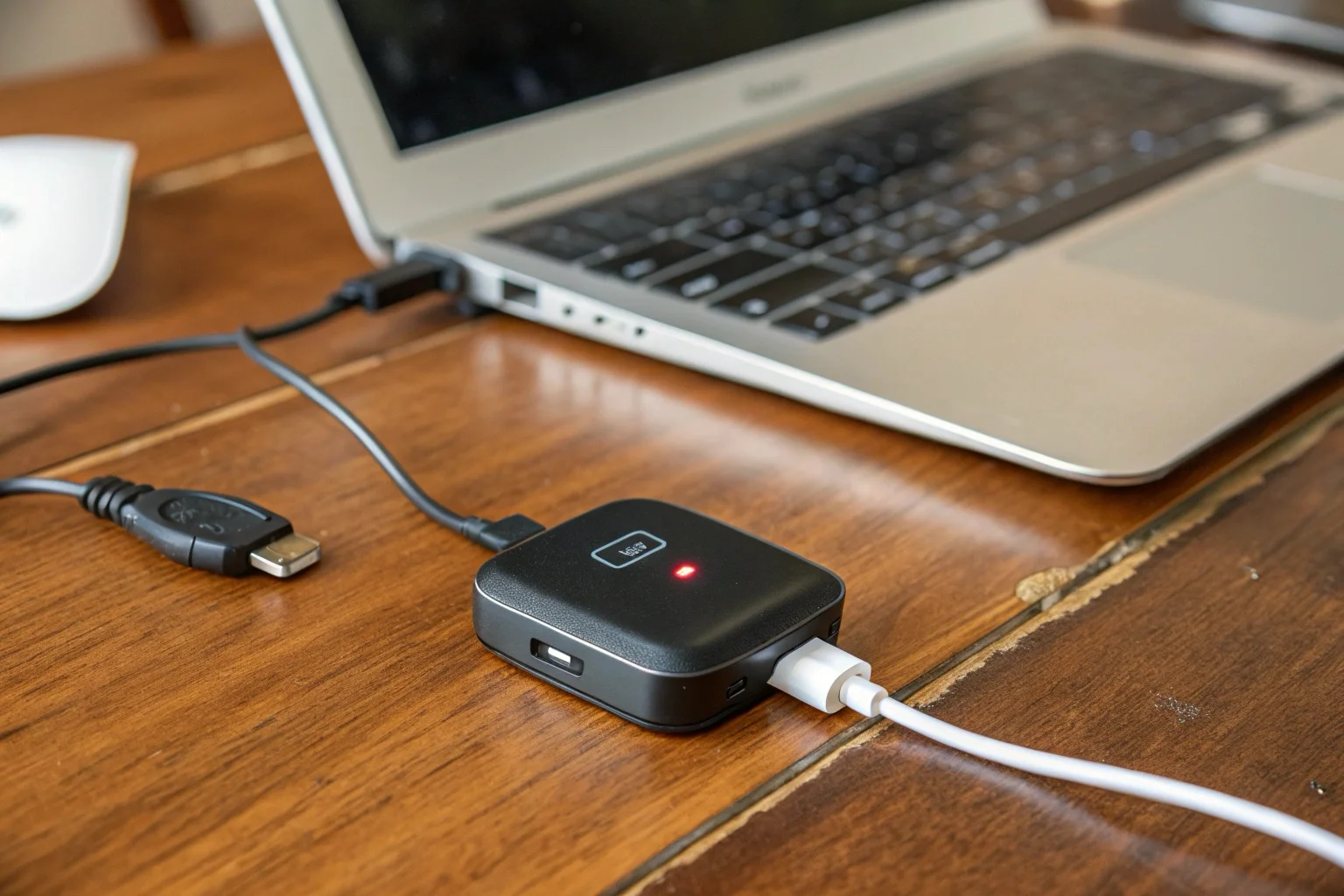
When sourcing products, battery life is one of the key specifications I check. It’s a practical detail that directly impacts user satisfaction. For example, our best-selling mini voice recorders are popular because of their extremely long standby times. The same logic applies to pet trackers. You need to understand what affects the battery so you can advise your customers. The update frequency is the biggest factor. Live tracking, which updates every few seconds, drains the battery much faster than a standard mode that updates every 5-10 minutes. Most good trackers have power-saving modes that automatically reduce updates when the pet is at home, connected to a known Wi-Fi network. This can extend the battery life from a couple of days to over a week.
Factors That Affect Battery Life
| Factor | High Drain | Low Drain |
|---|---|---|
| Location Updates | Live tracking (every 2-3 seconds) | Updates every 10-60 minutes |
| Cell Signal | Weak or no signal | Strong, stable signal |
| Features | Activity monitoring, sound alerts | Basic tracking only |
| Environment | Outside in cold weather | Inside a Wi-Fi "safe zone" |
Educating your customers on how to manage these settings will help them have a better experience and reduce complaints.
How do you find a great pet tracker manufacturer?
Finding a trustworthy manufacturer is the hardest part. You risk sourcing products without proper EU certifications, which can create legal and financial problems. It's a major headache for any importer.
I always tell my partners, like Sossa from Italy, to verify CE and ROHS certifications first. Then, look for manufacturers with a European presence, clear communication, and a focus on quality over rock-bottom prices. This is how you build a reliable, long-term partnership.

This is the most critical part of your business. Your supplier is your partner. A bad partner can ruin your reputation. I have spent years building relationships with clients like Daniel in France because they know we prioritize reliability. They need a supplier they can trust, especially when dealing with niche electronics. My company, QZT, has an overseas warehouse in Italy for this exact reason. It shows our commitment to the European market. When you are searching for a GPS tracker manufacturer, you need to look for the same signs of stability and quality. A good manufacturer will be transparent about their testing and certifications. They should be able to provide you with copies of their CE and ROHS documents without hesitation. Never take their word for it; verification is key. This focus on certified quality is why clients who source our specialized DIY camera modules stick with us for years.
Your Non-Negotiable Checklist
- Verifiable Certifications: Always ask for CE and ROHS certificates. For the EU market, this is not optional. A serious manufacturer will have these ready and will not be afraid to let you verify them.
- Product Samples: Before placing a bulk order, always get samples. Test the product yourself. Check the build quality, the app's user-friendliness, and the accuracy of the tracking.
- Communication: Is their sales team responsive? Do they answer your technical questions clearly? Good communication is a sign of a professional company.
- Logistics: Ask them about their shipping process. A supplier with a warehouse in Europe, like our facility in Italy, is a huge advantage. It means faster shipping for you, no surprise customs fees, and much easier returns management. This is a massive competitive edge.
Conclusion
Finding the right GPS trackers and a reliable supplier is key to your success. Focus on quality, certification, and strong partnerships to build a trusted brand. To discuss sourcing strategies for niche electronics, talk to our specialists.

 English
  Italiano
  Deutsch
  Français
  Español
  Polski