
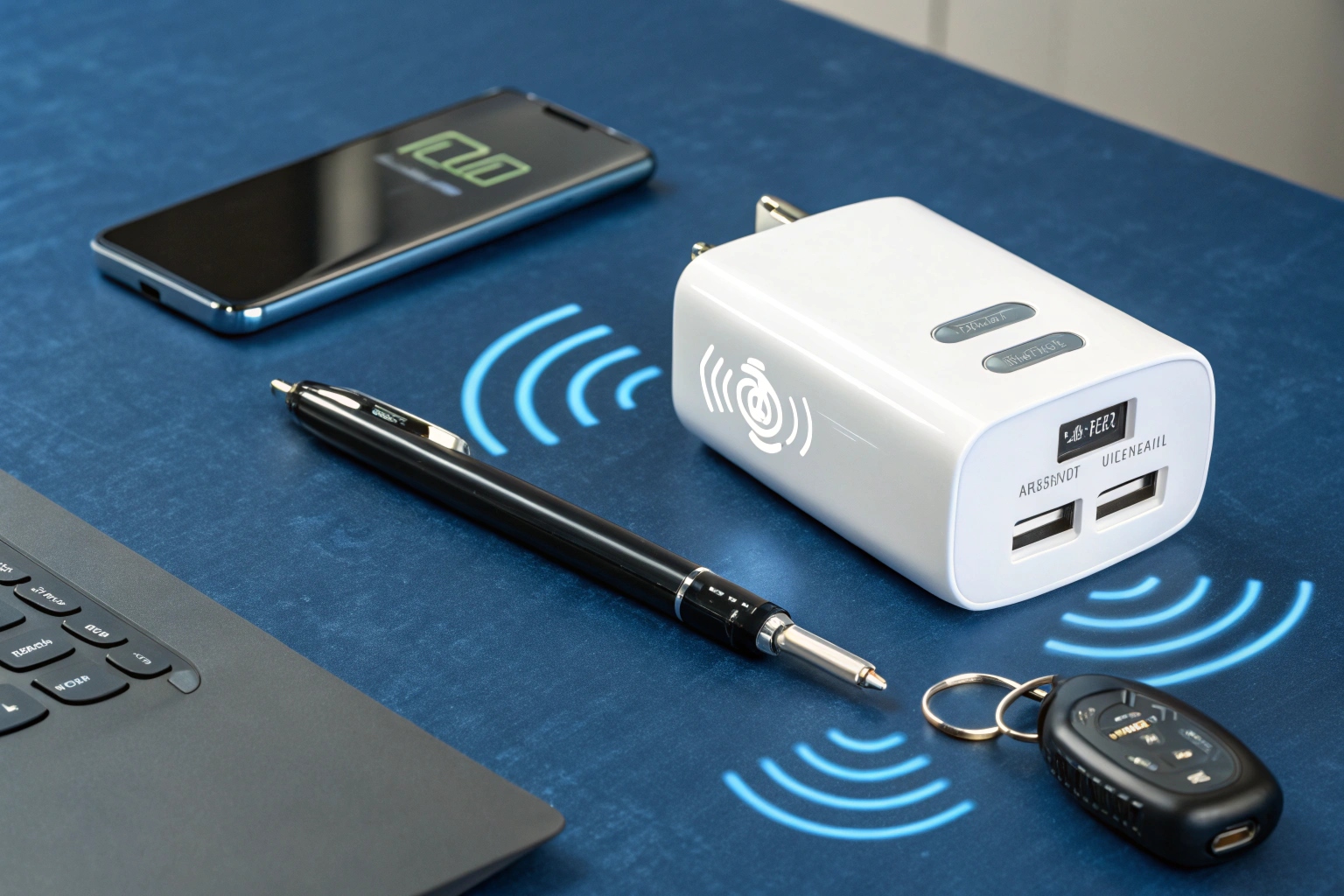
An anti-spy camera detector works by scanning for radio frequency (RF) signals. Wireless cameras and listening devices transmit data using these signals. The detector picks up on these transmissions, alerting you to the presence of a hidden bug so you can locate and remove it.
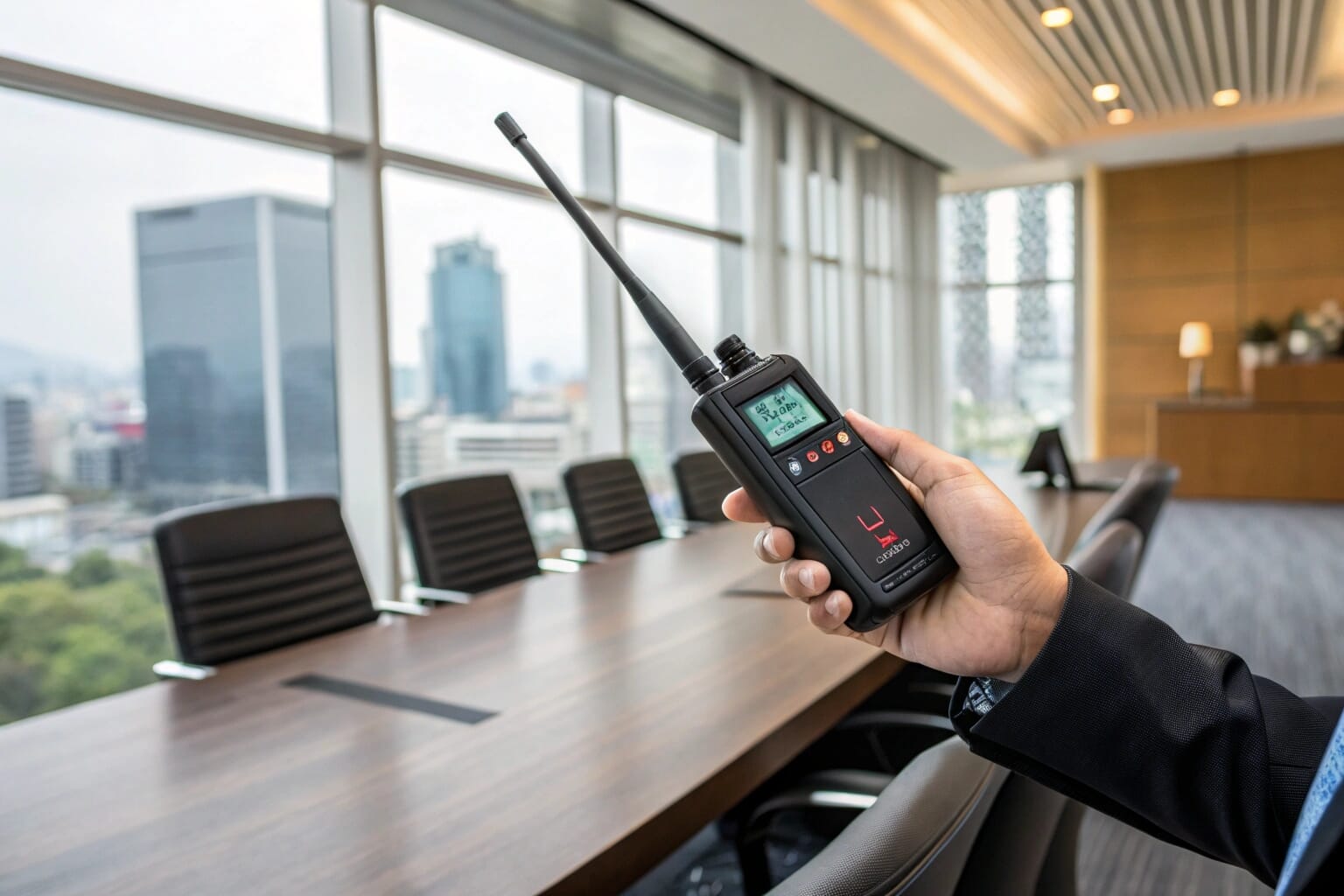
After many years in Shenzhen, the heart of consumer electronics in China, I’ve seen all kinds of gadgets. My partners, like Piotr in Poland, often ask me for security solutions. They know that protecting information is just as important as gathering it. For my clients who run serious businesses, preventing leaks during important meetings is a top priority. They understand that a single leaked conversation could cost them millions. This is why I always stress the importance of professional-grade security tools. While our main business at QZT is in high-quality hidden cameras and recorders, we also understand the other side of the coin: detection. The need for robust counter-surveillance gear is growing, and my most successful retail partners are adding these products to their catalogs. They trust our judgment because they know we operate from our own warehouse in Italy, ensuring quality and fast delivery for the European market.
How can portable anti-spy detectors better protect enterprise security?
Your business security isn't confined to a single room. Threats can follow you anywhere, from client meetings to business trips. Portable detectors provide on-the-go protection, securing any environment easily.
A portable anti-spy detector allows key personnel to conduct regular security sweeps of any space. This includes hotel rooms, temporary offices, and even vehicles. This transforms security from a single event into a consistent, daily practice, protecting sensitive information wherever business takes you.
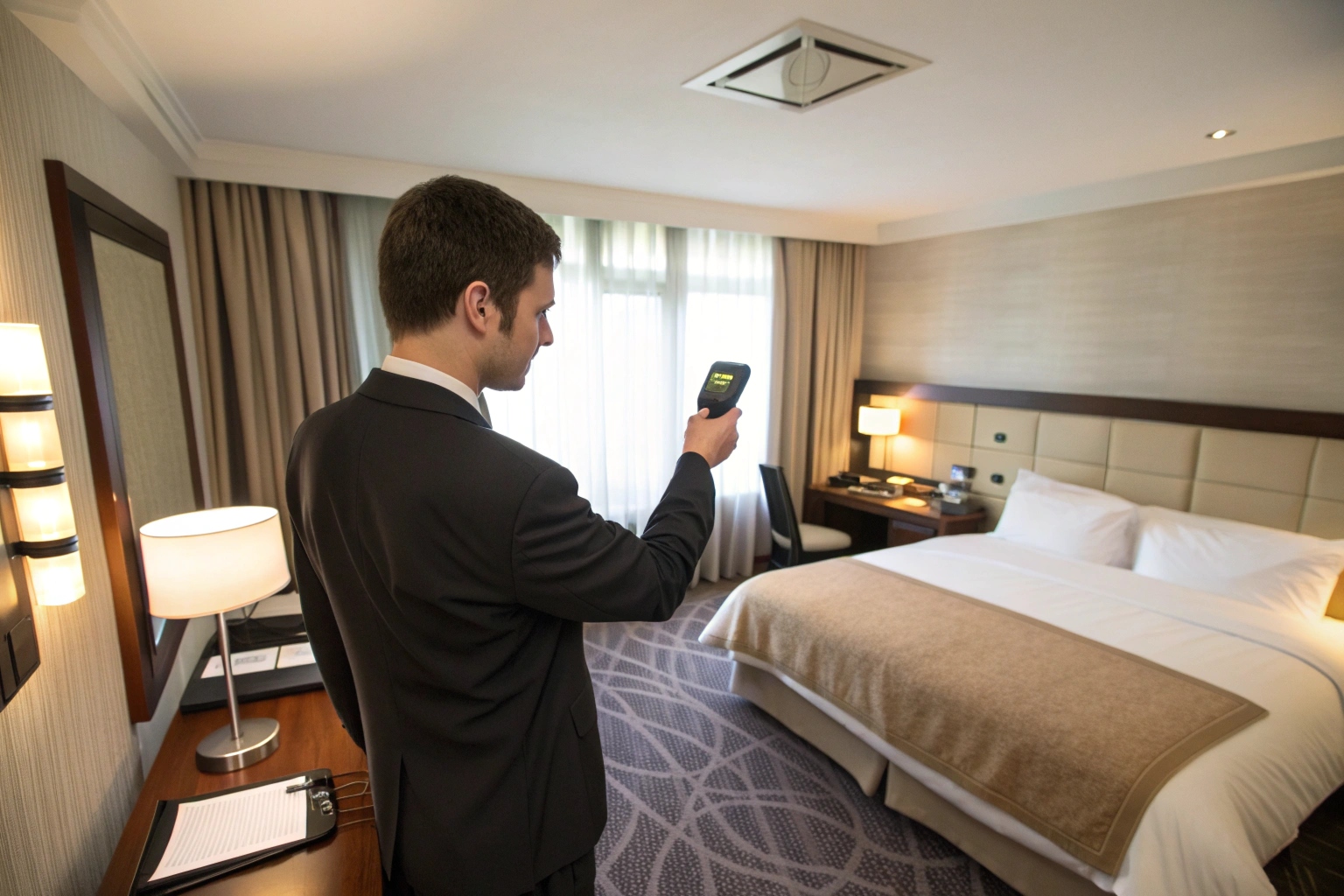
For a business owner like Sossa in Italy, security can't be static. His team travels frequently to meet clients across the EU. A portable detector becomes an essential tool in their travel kit. It ensures that sensitive negotiations happen in a secure environment, free from eavesdropping. This is not about paranoia; it is about responsible business practice. The ability to quickly sweep a new location provides peace of mind and a tangible layer of security. We provide our European clients with these devices directly from our Italian warehouse, complete with proper invoicing and the CE/ROHS certifications they require. This localized service builds the trust that long-term partners like Sossa value so highly.
Routine and Regular Sweeps
Making security a habit is more effective than a one-time sweep. Portable detectors are designed for easy, regular use. An employee can quickly scan their office each morning or check a conference room before a sensitive discussion. This proactive approach makes it much harder for someone to plant a long-term listening device.
Empowering Key Personnel
Security shouldn't just be the IT department's job. Equipping executives, sales leaders, and R&D managers with portable detectors empowers them to take control of their own security. They are often the primary targets of corporate espionage, and giving them the tools to protect themselves is a smart investment.
| Location Scenario | Security Challenge | How a Portable Detector Helps |
|---|---|---|
| Main Boardroom | Permanent Bug Installation | Allows for daily checks, not just monthly professional sweeps. |
| Hotel Room | Temporary Eavesdropping | Provides immediate security for confidential calls and meetings. |
| Off-site Meeting | Unknown Environment | Clears a rented space before sensitive information is shared. |
| Executive Vehicle | GPS Tracking/Audio Bugs | Can quickly identify trackers or microphones planted in the car. |
What can an RF detector detect?
You suspect a threat, but you don't know what it is. It could be a camera, a microphone, or something else. An RF detector is designed to find a wide range of these transmitting devices.
An RF detector finds any device that sends out a radio frequency signal. This includes wireless spy cameras (Wi-Fi), cellular-based listening devices (GSM bugs), Bluetooth bugs, and active GPS trackers. It is an essential tool for discovering hidden surveillance devices that transmit information wirelessly.
Many of my clients, like Daniel in France, are experienced e-commerce sellers. They know their customers need reliable products, and a key selling point is explaining exactly what a device can do. When they source RF detectors from us, they need to know the specifics to market them effectively. An RF detector is not magic; it is a specialized tool that listens for radio waves. Any device that needs to send audio or video out of a room wirelessly will use some form of RF signal. That is the weakness these detectors exploit. Our products come with clear specifications and the CE/ROHS certifications Daniel needs for the French market, ensuring he can sell them confidently. He trusts us to provide not just the product but also the knowledge he needs to succeed.
Wireless Cameras and Microphones
The most common threats are devices that use standard wireless protocols.
- Wi-Fi (2.4GHz & 5GHz): Many modern hidden cameras connect to a local Wi-Fi network to stream video to a remote user.
- Bluetooth: Small, short-range listening devices can use Bluetooth to transmit audio to a nearby receiver.
Cellular-Based Devices
More advanced bugs do not rely on local Wi-Fi.
- GSM/3G/4G/5G: These devices contain their own SIM card and use the cellular network to send audio or data from anywhere with a cell signal. They are harder to find but are easily picked up by a good RF detector.
| Device Type | Signal Frequency Band | Common Use Case |
|---|---|---|
| Wi-Fi Hidden Camera | 2.4GHz / 5.8GHz | Monitoring a room continuously via the internet. |
| GSM Audio Bug | 900/1800/1900 MHz | Listening in on conversations from anywhere in the world. |
| Bluetooth Earpiece | 2.4GHz | Covert communication during meetings. |
| GPS Tracker (Active) | Cellular Bands | Tracking a vehicle's location in real-time. |
How sensitive are RF detectors?
Some hidden bugs transmit very weak signals to avoid detection. You worry that a cheap detector might miss them completely. The solution is to understand that sensitivity is a critical, and often adjustable, feature.
The sensitivity of RF detectors varies greatly. Professional-grade models can detect extremely weak signals from a distance, while basic models may only find strong signals up close. Good detectors feature adjustable sensitivity, allowing you to filter out background noise from routers and cellphones to pinpoint real threats.
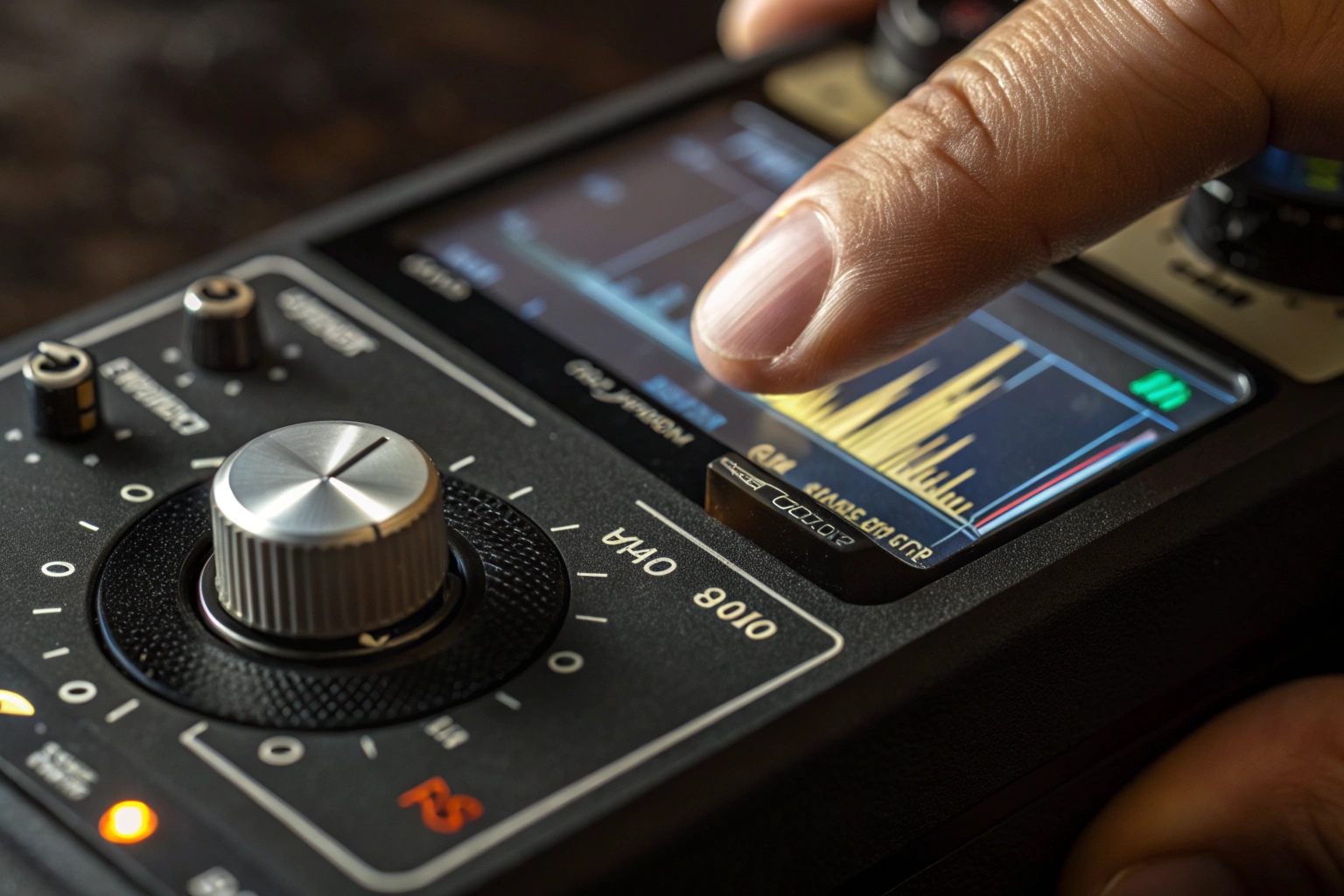
I always explain this to my new clients, especially cautious ones like Agnieszka from Poland. She runs a successful B2C website and her customers rely on her for quality. She knows that selling a detector that creates false alarms or misses a real bug would damage her brand's reputation. I tell her that sensitivity is a balance. In a modern office, there are dozens of legitimate RF signals: Wi-Fi, employee cell phones, Bluetooth headsets. A detector that is too sensitive will just scream all the time. A professional model allows you to "tune" the environment. You start with high sensitivity far away, then you lower it as you get closer to a potential signal source. This process helps you distinguish a hidden bug from a normal office device. It's this kind of practical knowledge that builds trust and turns a one-time purchase into a long-term partnership.
Understanding Sensitivity Levels
Sensitivity is often measured in dBm, where a lower negative number (like -80dBm) indicates a higher ability to detect weak signals.
- Consumer-Grade: These might have a sensitivity of around -50dBm. They are good for finding strong, nearby signals.
- Professional-Grade: These can reach -80dBm or better, allowing them to detect sophisticated, low-power bugs from several meters away.
Adjusting for the Environment
A key feature is the ability to change the sensitivity setting. When you first enter a room, you might set it high. If it alerts you immediately, you slowly lower the sensitivity while walking around. The alarm will stop, but it will go off again when you get very close to the actual source of the signal, helping you pinpoint its exact location.
The Importance of Frequency Range
Sensitivity is useless if the detector can't "hear" the right frequencies. A good detector covers a wide range, from low MHz (for older bugs) up to several GHz (for modern 5G and Wi-Fi devices).
| Sensitivity Setting | Pro | Con |
|---|---|---|
| High | Detects weak signals from far away. | Prone to false alarms from normal devices (Wi-Fi, phones). |
| Medium | Balances range and false alarms for general sweeping. | Might miss very weak or distant signals. |
| Low | Helps pinpoint the exact location of a signal source. | Only works when you are very close to the device. |
Conclusion
Ultimately, RF detectors are vital tools for modern corporate security. They empower businesses to proactively find hidden wireless threats, protecting confidential conversations and securing valuable intellectual property from espionage.

 English
  Italiano
  Deutsch
  Français
  Español
  Polski