
Struggling to find a reliable voice recorder? Cheap models fail, audio is unclear, and batteries die. This uncertainty costs you time and important information.
To choose the best digital voice recorder, compare audio quality (bitrate), battery life (working time), storage capacity, and key features like voice activation. Prioritize models with clear specifications and genuine CE certification for reliability in European markets.
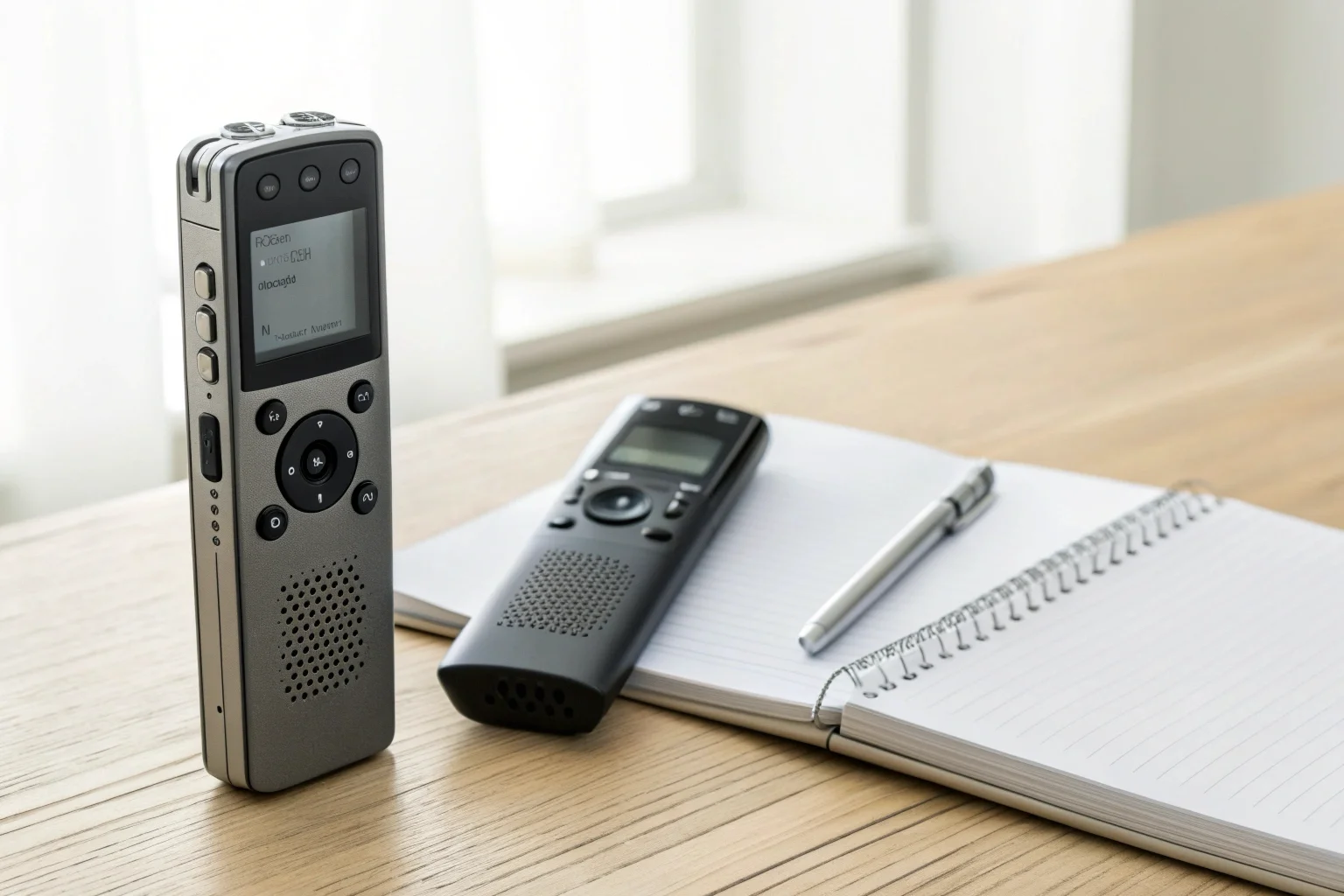
These technical details are crucial for performance. But other factors, like legal use and new AI features, are just as important for professional buyers. Let's explore these questions to help you make a better choice for your business.
Do Voice Recordings Have Legal Value?
Worried your recordings won't hold up legally? Misunderstanding consent laws can create serious problems and invalidate your evidence, leaving your business exposed and without proof.
Yes, voice recordings can have legal value, but this depends entirely on jurisdiction and consent. In many European countries, you must inform all parties they are being recorded. Secret recordings are often inadmissible in court and can be illegal.
As a manufacturer, I always advise our partners to understand their local laws. The legal landscape for audio recording varies significantly across Europe. For example, the rules in Italy might differ from those in Poland or France. Relying on a recording made without proper consent is a major business risk.
Here are a few things I've learned from working with clients across the EU:
- Consent is Key: The concept of "one-party consent" versus "all-party consent" is the most important factor. In all-party consent jurisdictions, everyone in the conversation must agree to be recorded. Business meetings should start with a clear statement that the conversation is being recorded for record-keeping purposes.
- Purpose Matters: The reason for recording is also important. Recording a business meeting for minutes is very different from covertly recording a private conversation. The latter almost always creates legal problems.
- Helpful Features vs. Legal Guarantees: Some recorders offer features like timestamping, which embeds the date and time into the file data. This can help establish when a recording was made, but it does not make an illegal recording legal. It's a technical feature for organization, not a legal tool.
Ultimately, your responsibility as a seller or user is to know and follow the laws in your specific country. We provide high-quality, compliant hardware, but we are not legal experts and cannot offer legal advice. Always consult with a local legal professional.
How Long Can a Digital Voice Recorder Record?
Need to capture long meetings or lectures? Standard recorders often run out of battery or storage at the worst moment, causing you to lose critical information.
A recorder's duration depends on two factors: its battery life and internal storage capacity. Some professional models can record continuously for hundreds of hours, while compact devices might last for a day. For example, our Q70 model can operate for about 500 hours.
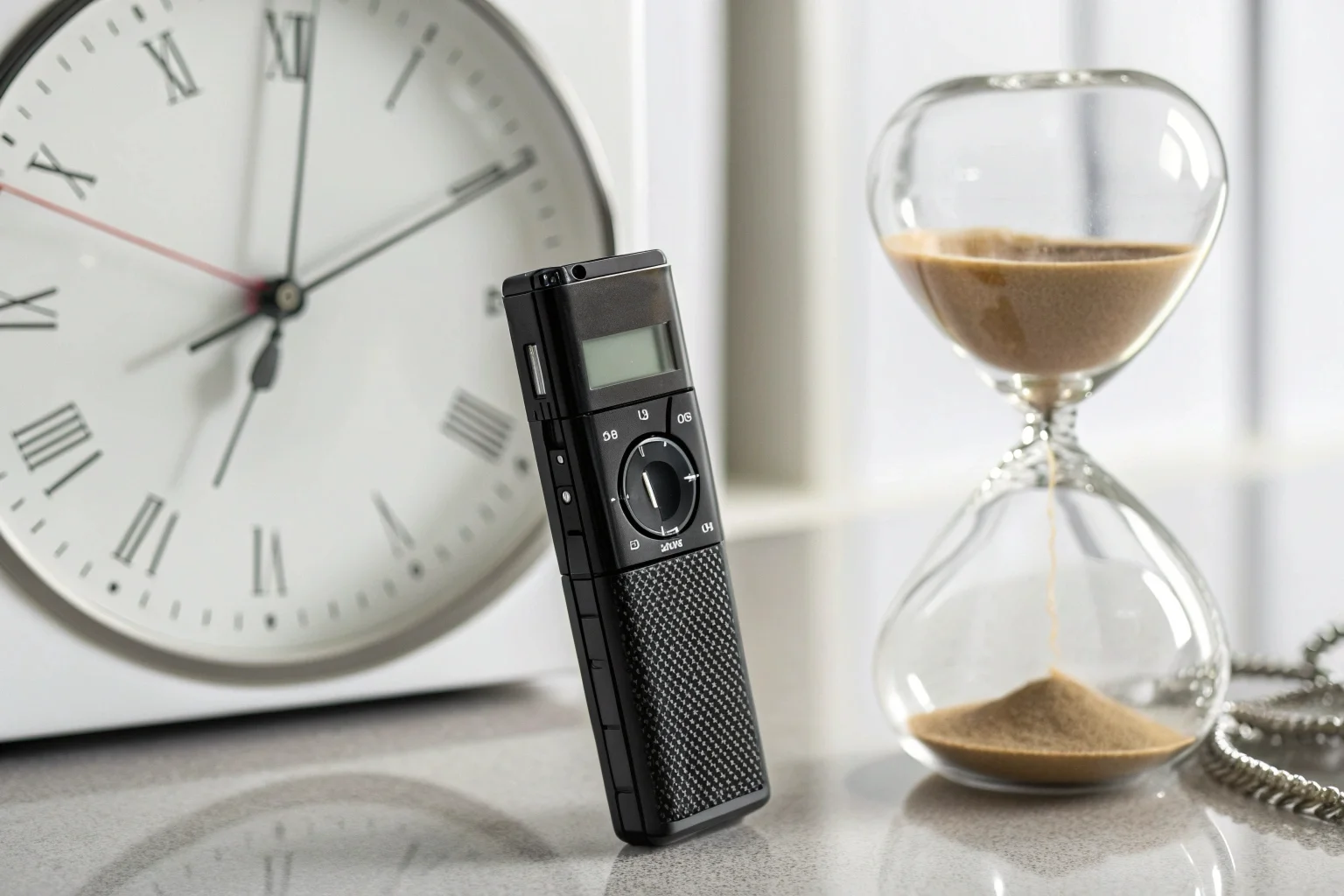
When you evaluate a voice recorder's duration, you must check two separate specifications. Many buyers get confused and only look at one, which can lead to problems. The two limiting factors are battery working time and storage space. You are always limited by whichever runs out first.
Battery Working Time
This is the total number of hours the device can actively record on a single battery charge. It's measured in minutes or hours. In my experience, this is the most critical factor for continuous recording applications. We've developed devices with very large internal batteries to meet this demand. For instance, some of our models, like the ZD46, offer around 50 hours of continuous recording, while specialized long-life units like the Q70 can last over 20 days. When sourcing devices, always check the battery capacity (mAh) and the manufacturer's stated "working time."
Storage Capacity
This determines how many hours of audio files the device can hold. It depends on the internal memory size (e.g., 8GB, 16GB, 32GB) and the audio quality, which is measured by the bitrate (kbps). A higher bitrate means clearer audio but a larger file size.
Here is a simple table to show how this works, using a common 192kbps bitrate:
| Internal Storage | Approximate Recording Hours |
|---|---|
| 8GB | ~ 96 Hours |
| 16GB | ~ 192 Hours |
| 32GB | ~ 384 Hours |
As you can see, a device like our C17 with 32GB of memory can store around 388 hours of audio. But its battery provides about 30 hours of working time. This means you would need to recharge it many times before the memory is full. For more information on different device capabilities, you can see our full range of professional voice recorders.
What About Recorders with AI Transcription?
Tired of manually typing out recordings? Spending hours on transcription is slow and inefficient, delaying access to the important information trapped in your audio files.
Dedicated AI transcription recorders exist but are often expensive and lock you into a specific service. A better, more flexible solution is using a high-quality digital recorder and uploading the files to a separate AI transcription service of your choice.
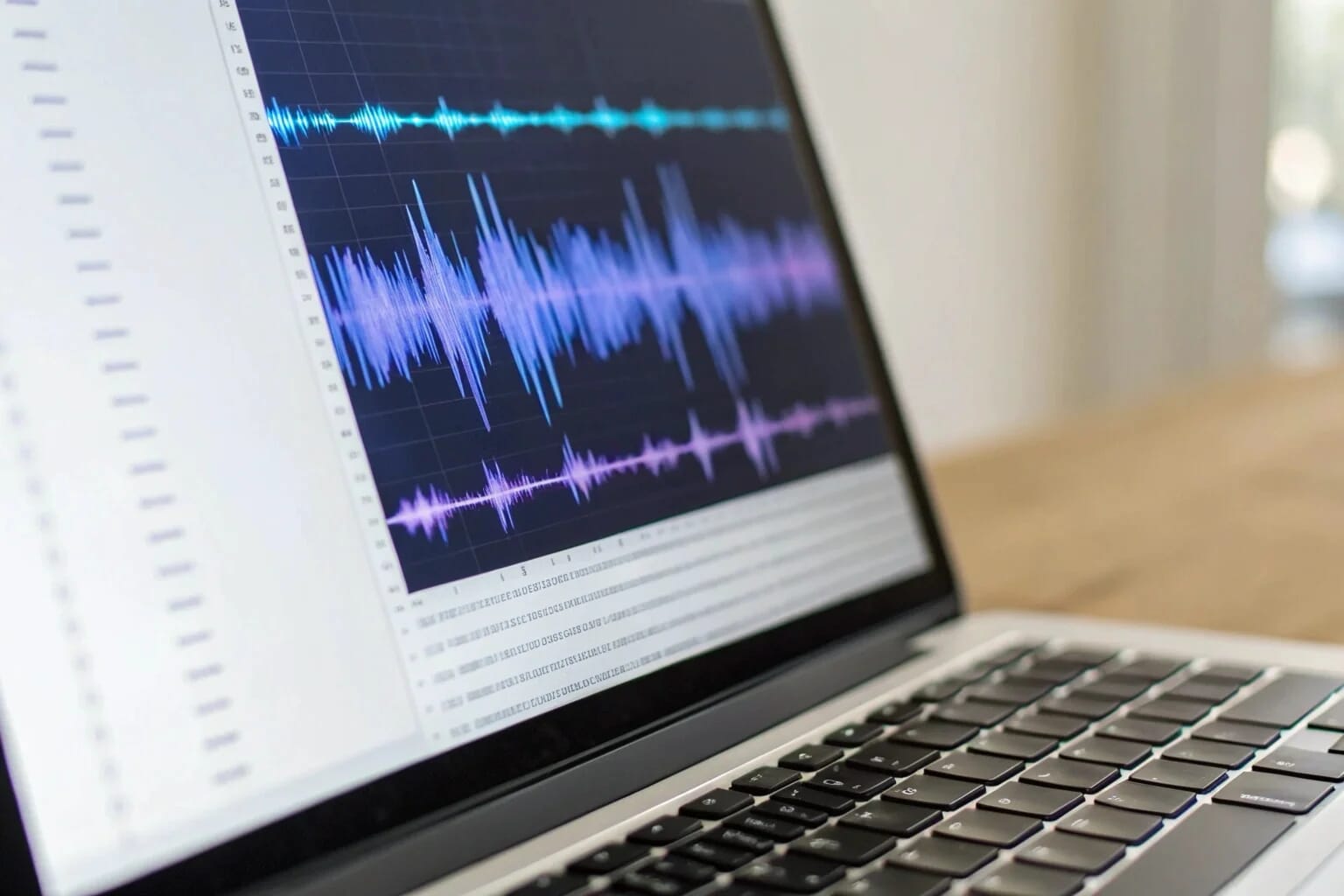
I often get questions from business clients about AI voice recorders. The idea of a device that records and transcribes automatically is very appealing. However, from a practical and long-term business perspective, I advise caution with integrated "all-in-one" devices.
The most critical factor for accurate AI transcription is the quality of the source audio. If the recording is muffled, has a lot of background noise, or the microphone is poor, even the best AI will produce a terrible transcript. Garbage in, garbage out. That is why I recommend a two-step approach for my professional clients:
-
Focus on a High-Quality Recorder First: Invest in a solid device with a high-quality microphone and support for high-bitrate recording (like 1536kbps PCM or 192kbps ADPCM). Models with features like omnidirectional microphones or noise reduction capture clear, crisp audio. This is the foundation for everything else. Materials also matter; a device made of zinc alloy or aluminum often has better acoustics than a cheap plastic one.
-
Use a Separate, Best-in-Class AI Service: Once you have a clean WAV file, you can upload it to any number of powerful AI transcription services. Companies like OpenAI, Google, and many others offer APIs or platforms that are constantly improving. This approach gives you flexibility. You are not tied to a single hardware provider's software, which might become outdated or expensive. You can choose the service that offers the best accuracy, language support, and price for your needs today, and you can switch easily tomorrow.
This decoupled strategy is more future-proof and cost-effective for a business. You own a durable, high-quality recorder, and you can rent the "AI brain" from the best provider at any time.
How Do You Find a Reliable Supplier for Professional Voice Recorders?
Finding a trustworthy supplier is difficult. Many promise quality but deliver unreliable products with fake certifications, causing returns, angry customers, and damaging your brand's reputation.
Find a reliable supplier by verifying their certifications (like CE), checking for local support and warehousing in your region (like the EU), and assessing their long-term stability. A good partner focuses on quality and support, not just the lowest price.
As a professional buyer for the European market, your supplier is your partner. A bad partner creates endless problems, while a good one helps you grow. After years of working with B2B clients in Italy, Poland, and France, I've seen what separates the best suppliers from the rest. Here is what you should demand.
Verified, Genuine Certifications
For Europe, CE and ROHS certifications are not optional. But many suppliers use fake or expired certificates. A reliable partner should provide you with the full, verifiable documentation for every product you order. Ask for the test reports and the certifying body. If they hesitate, it is a major red flag. We make sure all our products, from simple pen recorders to advanced models, have genuine CE certification because it is essential for our European partners.
Real European Localization
A supplier claiming to serve Europe from China is not a local partner. True localization means having a physical presence in the market. We invested in an Italy-based team and an overseas warehouse for this reason. This provides our partners with:
- Faster, Simpler Logistics: Shipments from our Italy warehouse avoid complex customs and long transit times from Asia.
- Better After-Sales Support: If there is a problem, you are dealing with our team in Europe, in your time zone. This makes returns, repairs, and support much easier.
- Market Understanding: Our European team understands the local market and can provide better advice on which products sell best in your country.
A Focus on Partnership, Not Price Wars
The cheapest supplier is often the most expensive in the long run due to product failures and poor support. A true partner is focused on providing stable, high-quality products that protect your brand's reputation. They should be willing to support both experienced sellers and those just starting out. Look for a supplier who wants to build a long-term relationship, not just make a single sale.
Choosing the right recorder means balancing audio quality, battery, and storage. A reliable supplier with verified certifications and local EU support is essential for your business's success.

 English
  Italiano
  Deutsch
  Français
  Español
  Polski