
Unsure which mini camera to choose for your business? The technical details are often confusing. This guide helps you select reliable, compliant devices for professional security needs.
Mini WiFi cameras are chosen for reliable office security because they offer discreet placement and easy installation. They also provide remote access to live video and alerts from any location. This is critical for managers who need oversight without complex wiring.
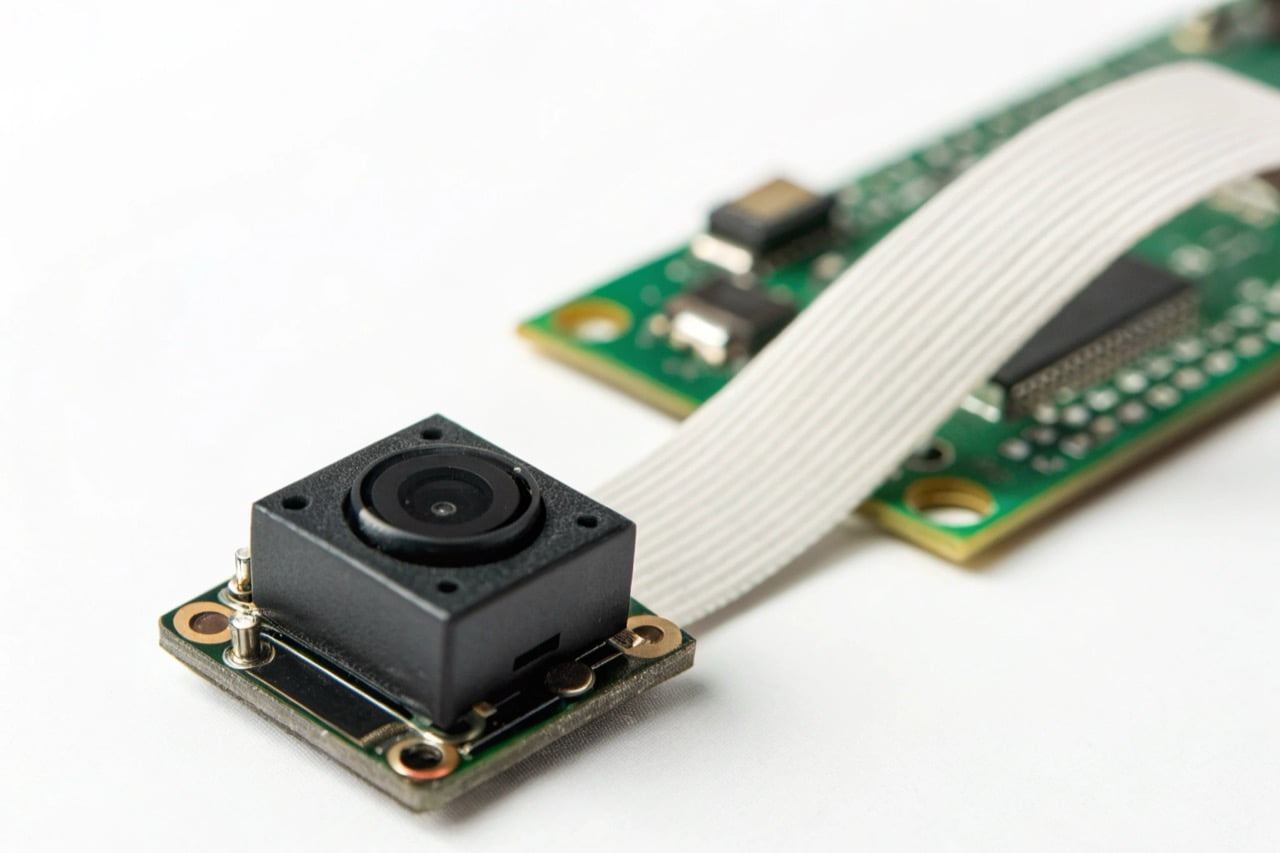
These benefits are clear. But to achieve them, you must select the right hardware. As a manufacturer, we see many buyers make mistakes. Let’s look at the most important technical details for professional European buyers.
What Key Features Matter in a Mini Security Camera?
Many features are listed on a product. Which ones are truly essential? Choosing the wrong device leads to poor video quality and missed events. Focus on these core specifications for reliability.
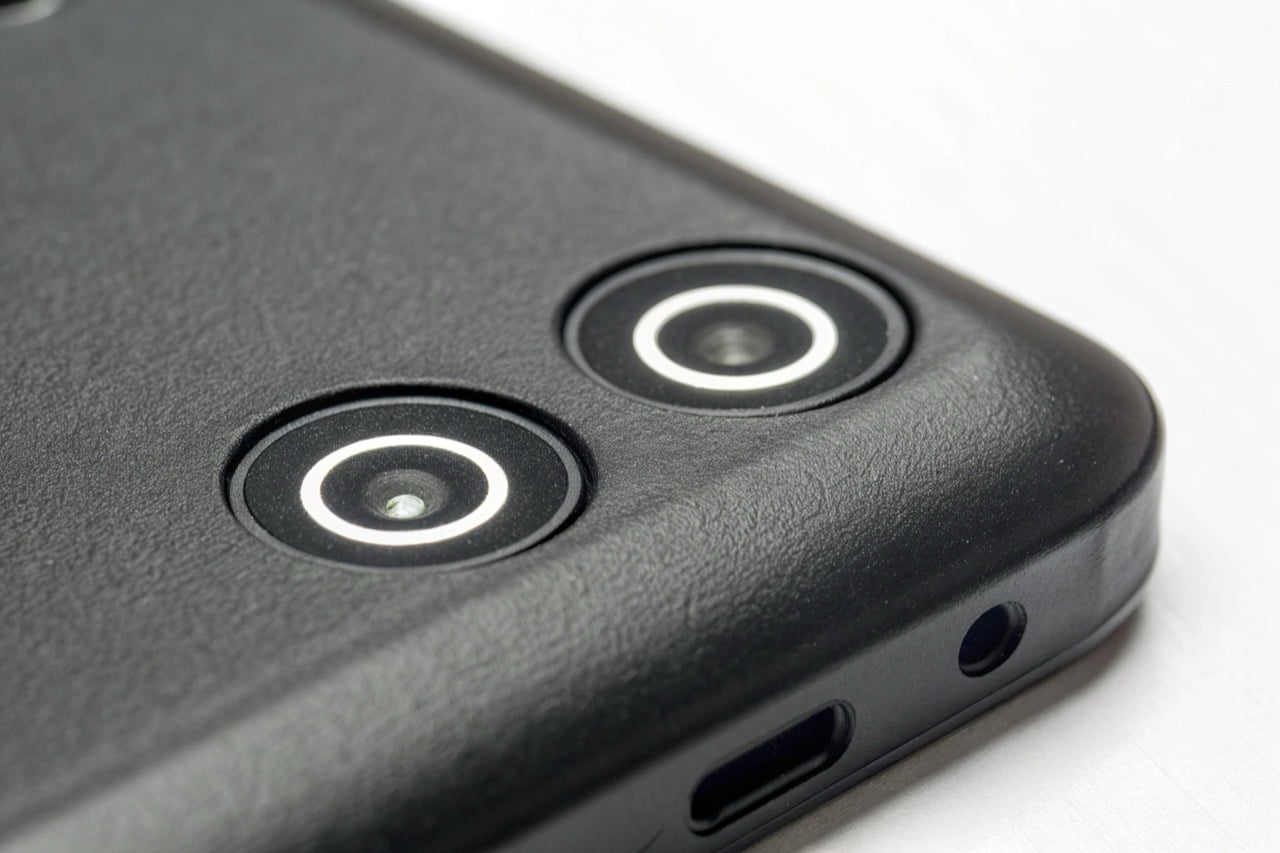
Look for 1080P resolution, a stable WiFi connection, and features like motion detection. Most importantly, ensure the products have CE/ROHS certification for the European market. This combination guarantees quality, reliability, and legal compliance for resale.
Approfondisci
For any professional security application, certain features are non-negotiable. We build our devices around these standards because they provide the best balance of performance and cost for our B2B partners.
Here is what to look for:
- Risoluzione video: 1080P (1920x1080 pixels) is the industry standard. It provides clear, usable video for identifying faces and actions without creating excessively large file sizes. While 720P is a lower-cost option, the detail is significantly reduced. All professional-grade devices should start at 1080P.
- Connettività: The camera must connect reliably to a 2.4GHz WiFi network. This is the most common frequency in offices. The stability of the connection often depends on the software platform. For example, devices built on the Tuya platform are known for stable network performance and a user-friendly app, which is a key selling point for your customers.
- Fonte di alimentazione: Mini cameras can be powered in several ways. Some use internal batteries, which require recharging. Others are built into AC adapters, like our charger cameras, for continuous power. A critical feature is the ability to record while charging. This ensures the device is always operational.
- Conformità: For the European market, CE and ROHS certifications are mandatory. Selling products without these marks is a significant business risk. We ensure our products are fully certified.
When you explore our professional surveillance cameras, you will find these essential features are standard across our product lines. We focus on what works reliably.
How Many Megapixels Are Good Enough?
High megapixel numbers, like 48MP, seem better on paper. But this can lead to poor low-light video and large file sizes. You must understand the balance between megapixels and sensor quality.
For security cameras, 2MP (which provides 1080P video) to 8MP (4K) is ideal. The quality of the image sensor and lens is more important than the megapixel count. A high megapixel count on a very small sensor creates poor video in low light.

Approfondisci
The "megapixel myth" is one of the biggest sources of confusion for buyers. Marketing departments love big numbers. But engineering tells a different story.
A camera's image quality depends on how much light its sensor can collect. The sensor is covered in pixels, which are tiny light-gathering points.
Imagine you have two sensors of the same small size, typical for a mini camera.
- Sensor A (12MP): Has 12 million pixels. Each pixel is a certain size.
- Sensor B (48MP): Has 48 million pixels. To fit four times the pixels in the same space, each pixel must be much smaller.
Smaller pixels collect less light. In bright daylight, this difference may not be obvious. But in a typical office environment or during the evening, it becomes a major problem. The 48MP sensor with tiny pixels will produce a dark and "noisy" image with poor detail. The 12MP sensor, with its larger pixels, will capture more light and produce a cleaner, clearer image.
For surveillance, clarity in various lighting conditions is the goal. A high-quality 2MP sensor that produces excellent 1080P video is far more valuable than a low-quality 48MP sensor that performs poorly indoors.
What Are the Disadvantages of Wireless Cameras?
WiFi cameras offer great convenience for installation. But they have vulnerabilities you must plan for. Understand these two main risks before you commit your inventory to a single solution.
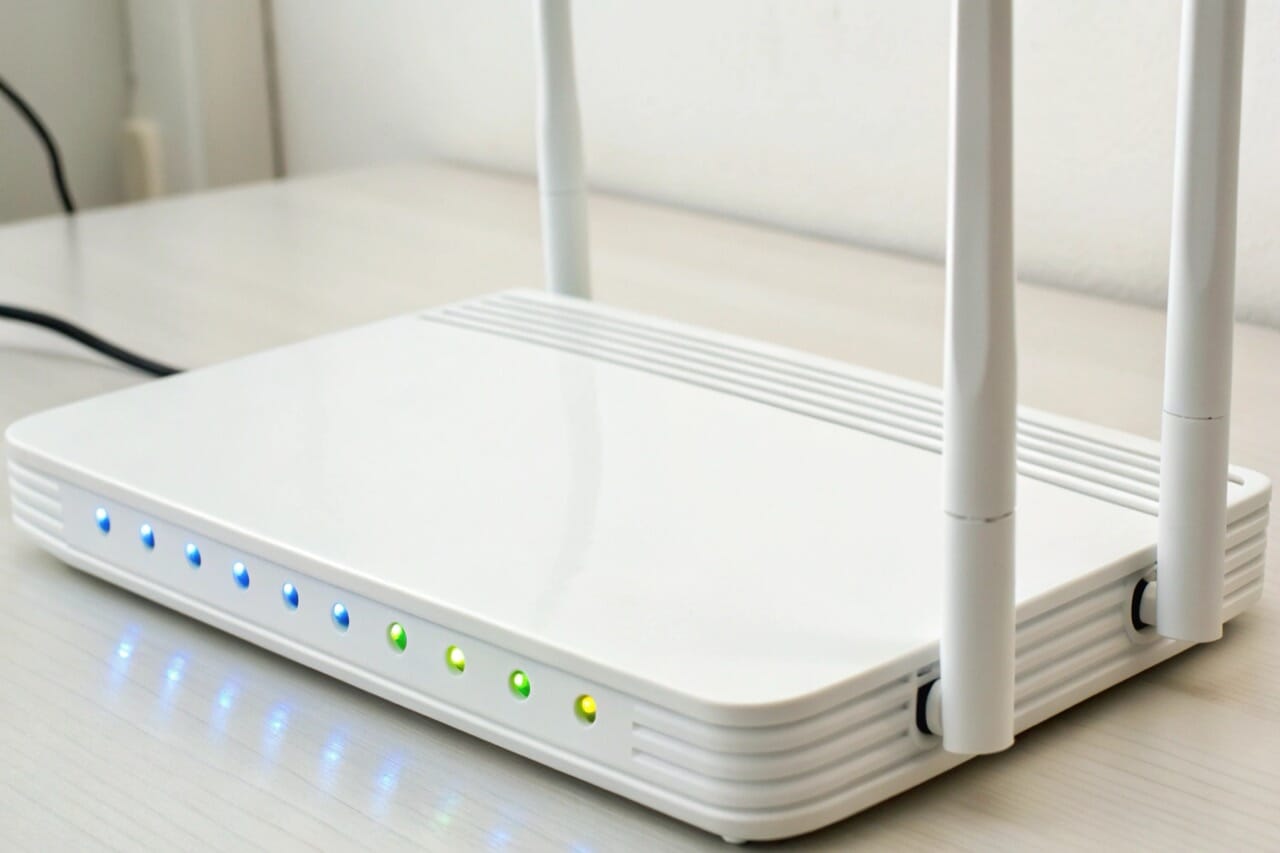
The two main disadvantages are reliance on a stable WiFi network and potential security risks. If the network fails, you lose remote access. If the network is not secure, the camera itself can become a vulnerability.
Approfondisci
As a partner, we want you to be prepared for customer questions. These are the practical realities of using any WiFi-enabled device for security.
-
WiFi Network Dependency: The camera's ability to send live video and alerts depends completely on the office's WiFi network. If the internet connection goes down or the router is turned off, remote viewing will stop. Many of our models will continue to record to a local SD card, so footage is not lost. However, the real-time access feature is disabled until the network is restored. This is why choosing cameras with stable software, like Tuya-based modules, is important to minimize connection drops.
-
Security and Access: Any device connected to the internet is a potential target. For security cameras, the risk is unauthorized access to the video stream. You can reduce this risk significantly by:
- Using strong, unique passwords for both the camera app and the WiFi network.
- Choosing products from manufacturers who provide regular firmware updates.
- Educating the end-user on basic network security practices.
We design our hardware and select our software partners with security as a priority. But it is a shared responsibility between the manufacturer, your business, and the final customer.
For professional B2B buyers, choosing stable products and providing clear guidance to your clients is the key to success.
Our commitment is to provide reliable, secure hardware so you can build your business with confidence. We handle the manufacturing so you can focus on your market.

 English
  Italiano
  Deutsch
  Français
  Español
  Polski