
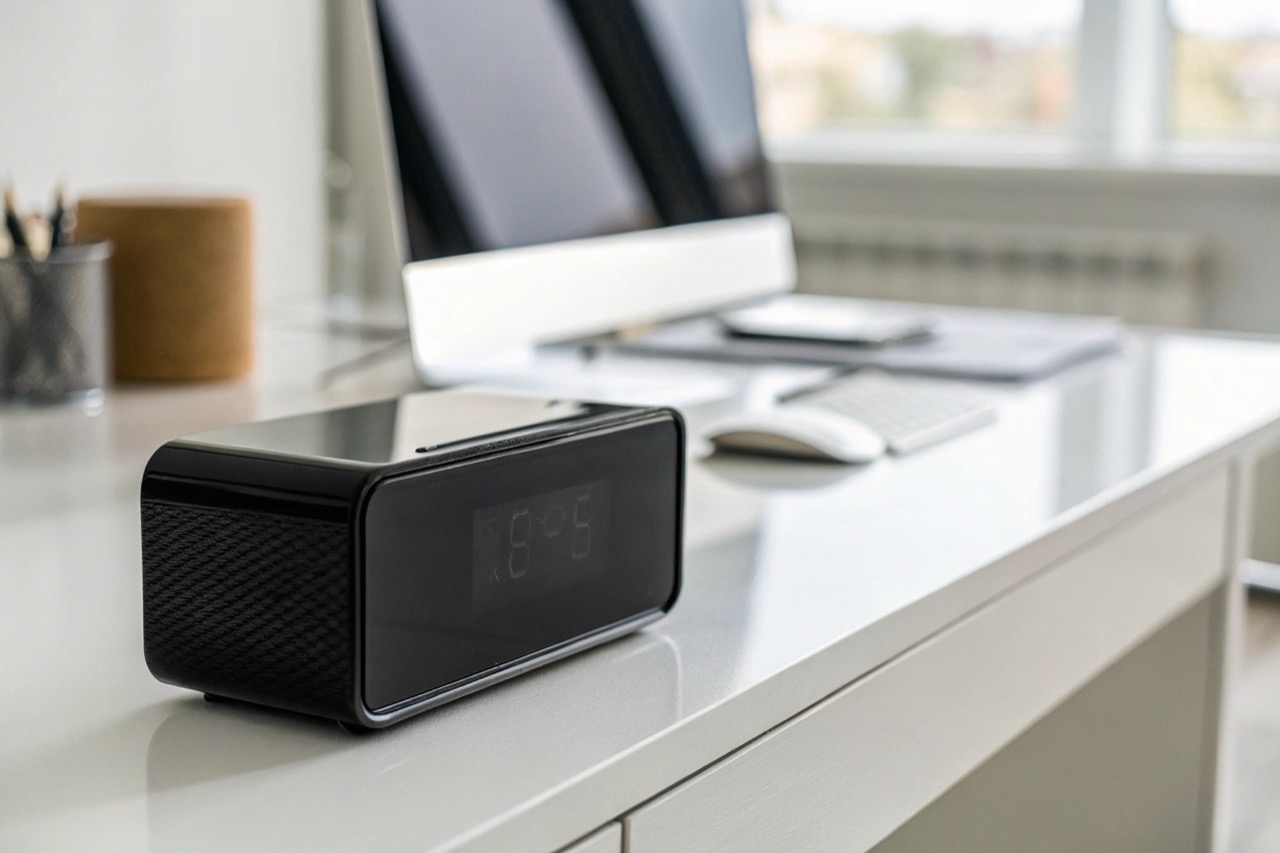
Integrating WiFi spy clocks into security grids allows for discreet, real-time remote monitoring without alerting subjects. Devices like the C6 Tuya Clock Camera offer 1080P resolution, invisible night vision, and seamless smart home app integration, ensuring your office or warehouse remains completely secure.
Upgrading your security does not mean installing ugly cameras everywhere. Smart, hidden devices give you the coverage you need while keeping a professional look. Let’s look at the key questions buyers ask when building a remote monitoring network.
What is the best smallest spy camera?
Bulky cameras ruin the aesthetics of a room. You need something tiny but powerful to monitor spaces without drawing attention.
The best smallest spy camera depends on your setup. Bare-board module cameras like the C10 Tuya feature a microscopic 0.5mm lens. They are highly adaptable and perfect for custom installations inside existing office objects or walls.
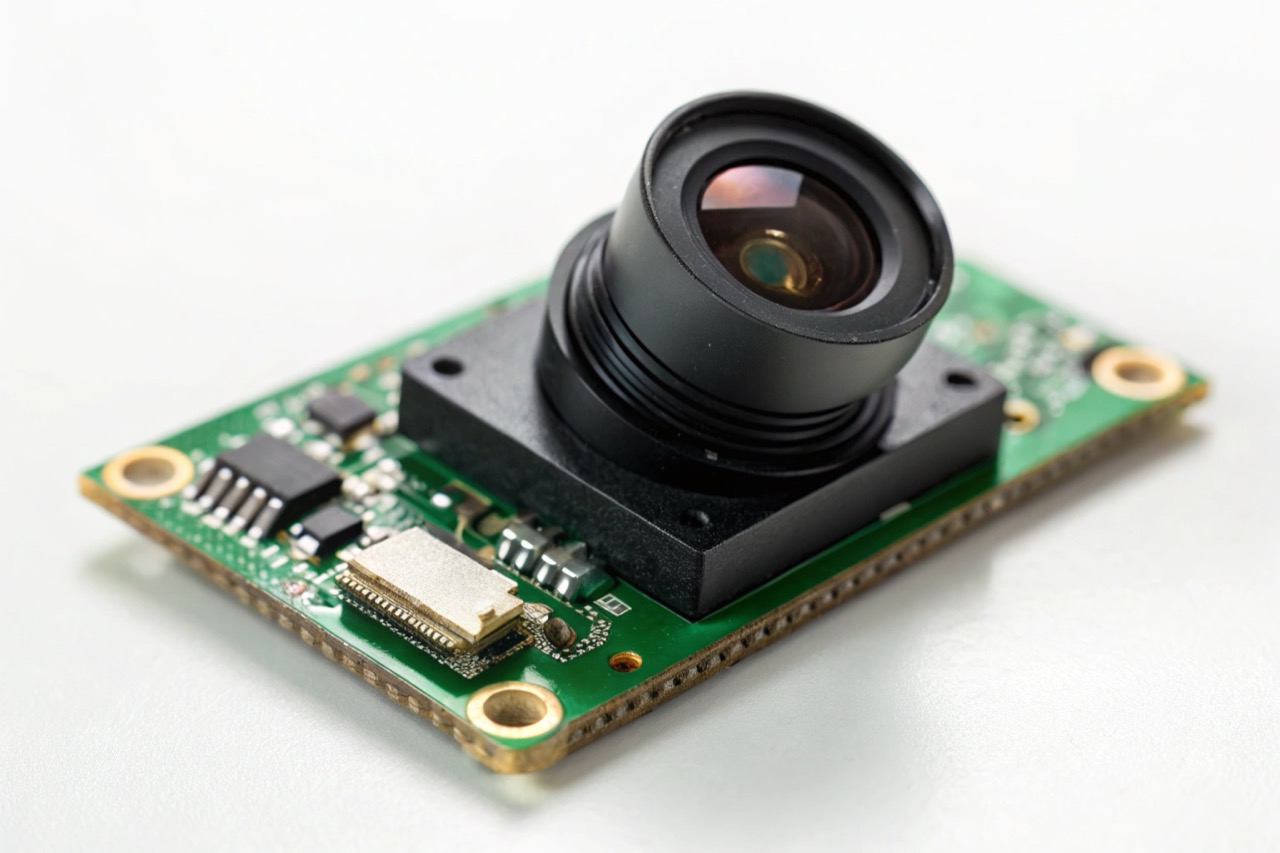
Size matters in covert security. If you want maximum flexibility, DIY module cameras are the industry standard. For example, our C10 Tuya Module Camera uses an ultra-small lens. You can hide it behind buttons, screws, or inside air vents. Unlike fixed cameras, modules let you decide the exact disguise to match the room.
When choosing small devices, buyers must balance size with battery life. A microscopic camera cannot hold a large internal battery. The C10 relies on an external 2800mAh battery block to achieve up to 420 minutes of working time. It also runs on continuous USB power for uninterrupted remote monitoring. For optimal stability, we strongly recommend using the Tuya platform. The Tuya app offers a highly stable network connection, which is crucial for remote viewing. It outperforms standard HDlivecam versions in video quality and network reliability. To upgrade your inventory, explore our professional surveillance cameras for tailored B2B solutions.
What is better, night vision or infrared?
Low light ruins video evidence. You must choose the right technology to capture clear footage in total darkness without exposing the device.
Infrared (IR) is a type of night vision. Standard night vision often relies on ambient light. True IR night vision uses infrared LEDs to illuminate pitch-black areas. For covert security, invisible IR with no red glow is always the best choice.
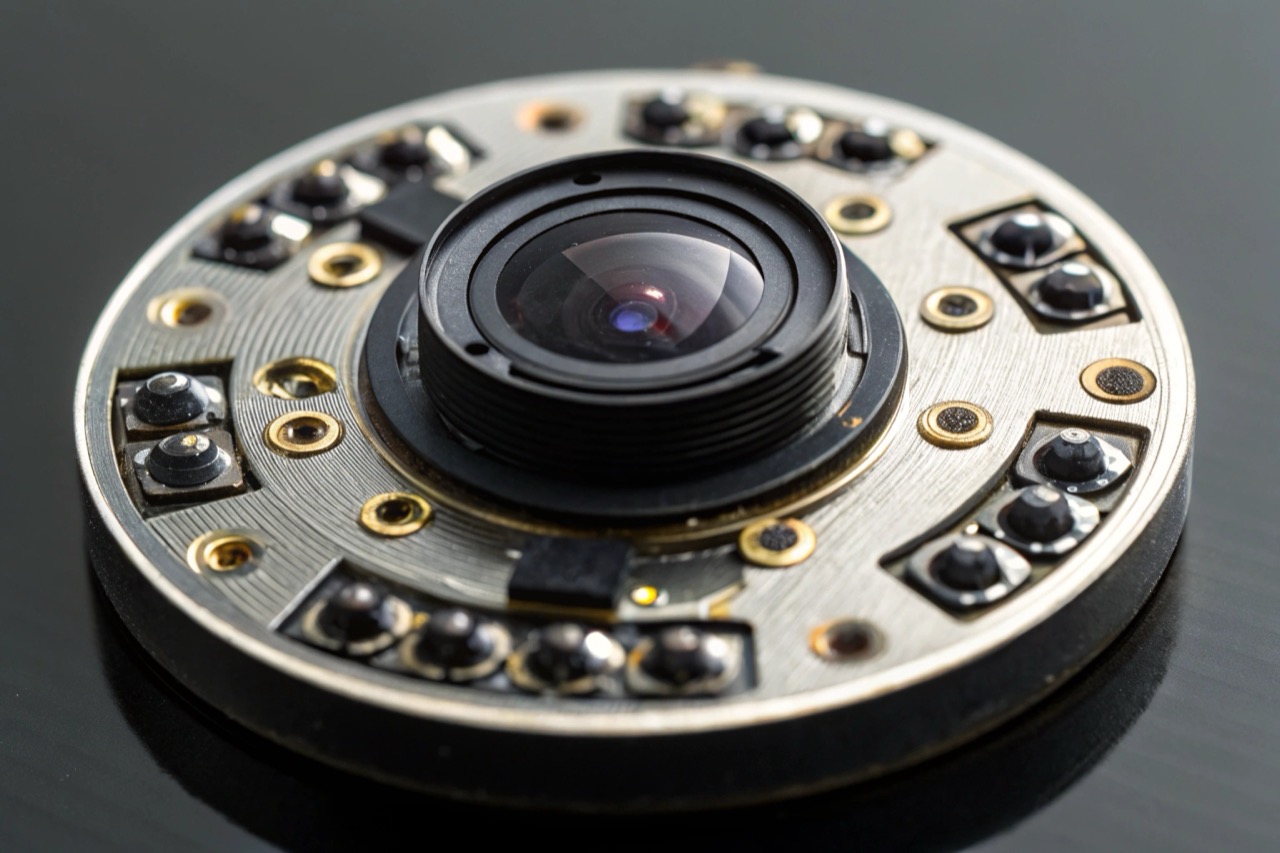
Many buyers confuse these terms. Infrared is exactly how modern spy cameras achieve night vision. Traditional security cameras use large IR LEDs that emit a faint red glow. In B2B hidden surveillance, this red glow is a fatal flaw. It exposes the camera instantly to intruders.
You must look for "no-glow" or "invisible" 940nm IR LEDs. Devices like our C6 Tuya Clock Camera and H3 Power Bank Camera feature advanced auto-sensor night vision. This means the camera detects low light and switches to IR mode automatically without any visible red exposure. The human eye sees nothing in the dark room, but the camera captures a crisp 1080P image. We use high-quality IR components in our factory. This prevents the LEDs from burning out over time. Your clients get years of reliable low-light monitoring.
What is the downside of wired security cameras?
Traditional wired cameras are stable but restrictive. Complex installations cost time, money, and limit exactly where you can monitor.
The main downside of wired security cameras is the lack of flexibility and high installation costs. They require drilling, running cables, and professional setup. They cannot be easily moved and are obvious to intruders, defeating the purpose of covert surveillance.
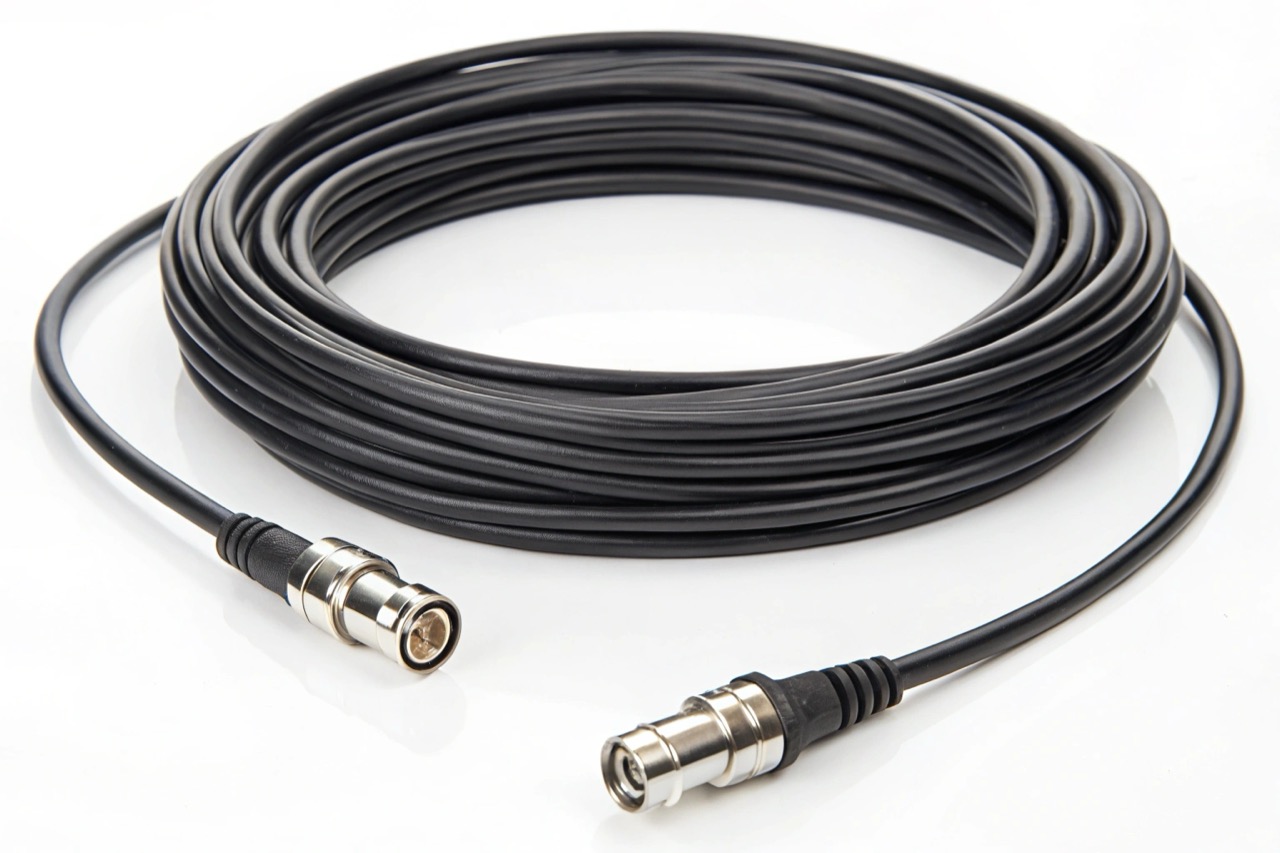
Wired systems have a place in large enterprise grids. However, they fail when you need quick, discreet deployments. Running cables destroys the aesthetics of modern offices. It also creates fixed blind spots. Once installed, a wired camera stays there. Intruders simply avoid its line of sight. Wired cameras also require constant maintenance. If a physical cable degrades, you lose the signal entirely.
Wireless WiFi spy cameras solve this problem easily. Devices like the C6 Clock Camera or S3 WiFi Wall Socket use existing 2.4GHz WiFi networks. You place them anywhere. If the room layout changes, you just move the clock. There is no drilling. There are no expensive technician fees. They also maintain high reliability. With smart app integration, our WiFi devices send instant motion detection alerts straight to your phone. They act as the perfect flexible supplement to a rigid wired network.
Jak znaleźć odpowiedniego producenta kamer szpiegowskich?
Buying cheap hardware leads to angry clients. You need a stable supply chain and compliant products to protect your brand reputation.
To find the right spy camera manufacturer, focus on product stability, strict certifications, and direct factory support. Look for suppliers who offer CE/ROHS compliance, reliable app integrations like Tuya, and clear communication. Avoid middlemen who compete strictly on rock-bottom prices.
The B2B market is flooded with low-quality devices. As a professional European buyer, your top priority is stability. A hidden camera that constantly drops its WiFi signal is completely useless. A device without proper battery safety will cause dangerous recalls.
Here is how to vet your manufacturing partner properly. First, check the technology. Do they use stable servers? We integrate with Tuya because it offers superior network stability compared to generic apps. Second, verify compliance. Never import uncertified electronics. Ensure your manufacturer holds CE and ROHS certifications. This is non-negotiable for EU customs clearance. Third, look at the product range. A strong factory covers all bases. If you need secure audio monitoring, discover discreet voice recorders like our Q1 model. It holds CE certifications and offers 900+ minutes of stable working time. Partner with a factory that treats you as a long-term client.
Adding WiFi spy clocks to your security grid provides flexible, invisible protection. By choosing quality hardware with true IR and stable Tuya integration, you ensure your clients receive unmatched reliability.

 English
  Italiano
  Deutsch
  Français
  Español
  Polski