
Tired of customer complaints about faulty smart collars eating into your profits? These returns damage your brand's reputation. Focus on vetting key technical features before you place your next wholesale order.
To reduce returns, you must verify location accuracy, real-world battery life, durability, waterproof rating, and the supplier's firmware update policy. These factors directly impact customer satisfaction and product reliability for your e-commerce store.

I’ve seen many partners, like Sossa from Italy, struggle with this exact problem. They find a product that looks promising, but soon the returns and bad reviews start piling up. It's a huge headache for any serious business owner. But it doesn't have to be this way. As a manufacturer, I want to help you succeed. Let's break down exactly what to look for, so you can build trust with your customers. It all starts with solving the most common complaint.
How accurate are the location tracking features of pet trackers? Can they prevent customer complaints caused by failed pet searches?
Inaccurate tracking is a disaster. Your customer's pet gets lost, the tracker fails, and your brand gets the blame. You need technology that works every single time, no excuses.
Yes, a high-quality tracker prevents complaints by providing reliable location data. Look for models with multi-system support (GPS, LBS, Wi-Fi). This combination ensures accuracy in diverse environments, from open parks to dense urban areas, drastically reducing failed searches.
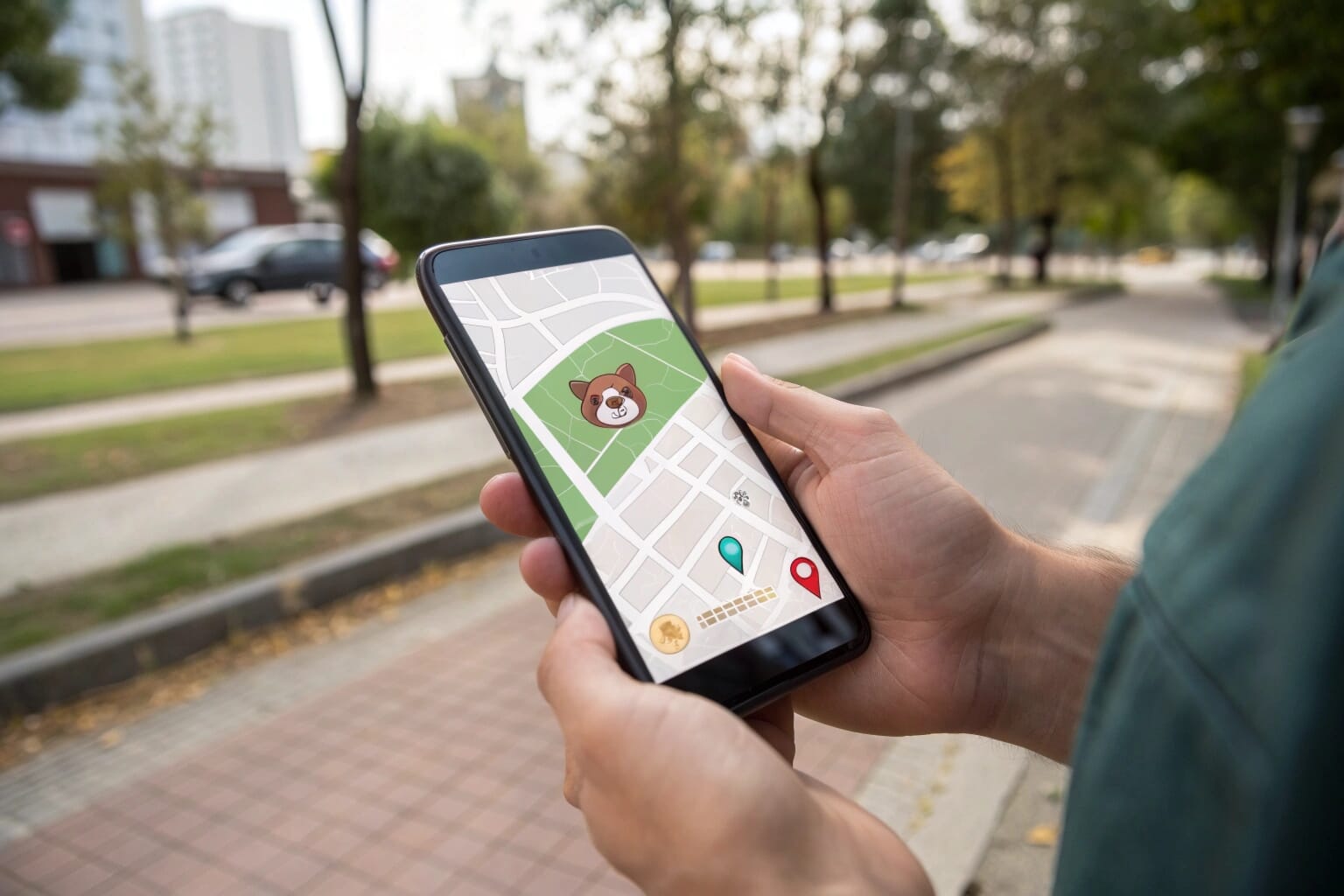
When speaking with potential suppliers, you need to dig deeper than just asking if it has "GPS". Not all tracking technology is created equal. A bad experience here is the number one reason for a customer return. My client Agnieszka, who runs a large online store in Poland, learned this the hard way. She initially sourced cheap trackers and her return rate was nearly 30%. We fixed that by focusing on products with reliable, multi-layered tracking. Here’s what you need to ask about.
Key Tracking Technologies
You need a device that combines multiple systems for the best performance. One technology alone is not enough.
- GPS/GNSS: This is the best for open, outdoor areas. It uses satellites for very precise location.
- LBS (Location-Based Service): This uses cell towers. It's less accurate but works as a great backup when a GPS signal is not available.
- Wi-Fi Positioning: This is crucial for indoor tracking. The device scans for nearby Wi-Fi networks to pinpoint its location inside a house or building.
What to Ask Your Supplier
| Feature | Low-Quality Tracker (High Returns) | High-Quality Tracker (Low Returns) |
|---|---|---|
| Positioning | GPS only | GPS + LBS + Wi-Fi |
| Chipset | Unbranded, low-power | Reputable brand (e.g., U-BLOX) |
| Update Speed | Slow, updates every 5-10 mins | Fast, configurable (e.g., 10 secs to 1 min) |
What is the actual battery life? Can the tracker's power management technology reduce users' "charging anxiety"?
Customers hate charging devices constantly. A dead tracker is not just an inconvenience; it's a complete failure of the product's purpose. This "charging anxiety" leads directly to negative reviews and returns.
Yes, intelligent power management can significantly reduce charging anxiety. Look for trackers with smart power-saving modes and geofence-triggered "safe zones." These features extend the actual battery life to meet, or exceed, customer expectations for convenience.
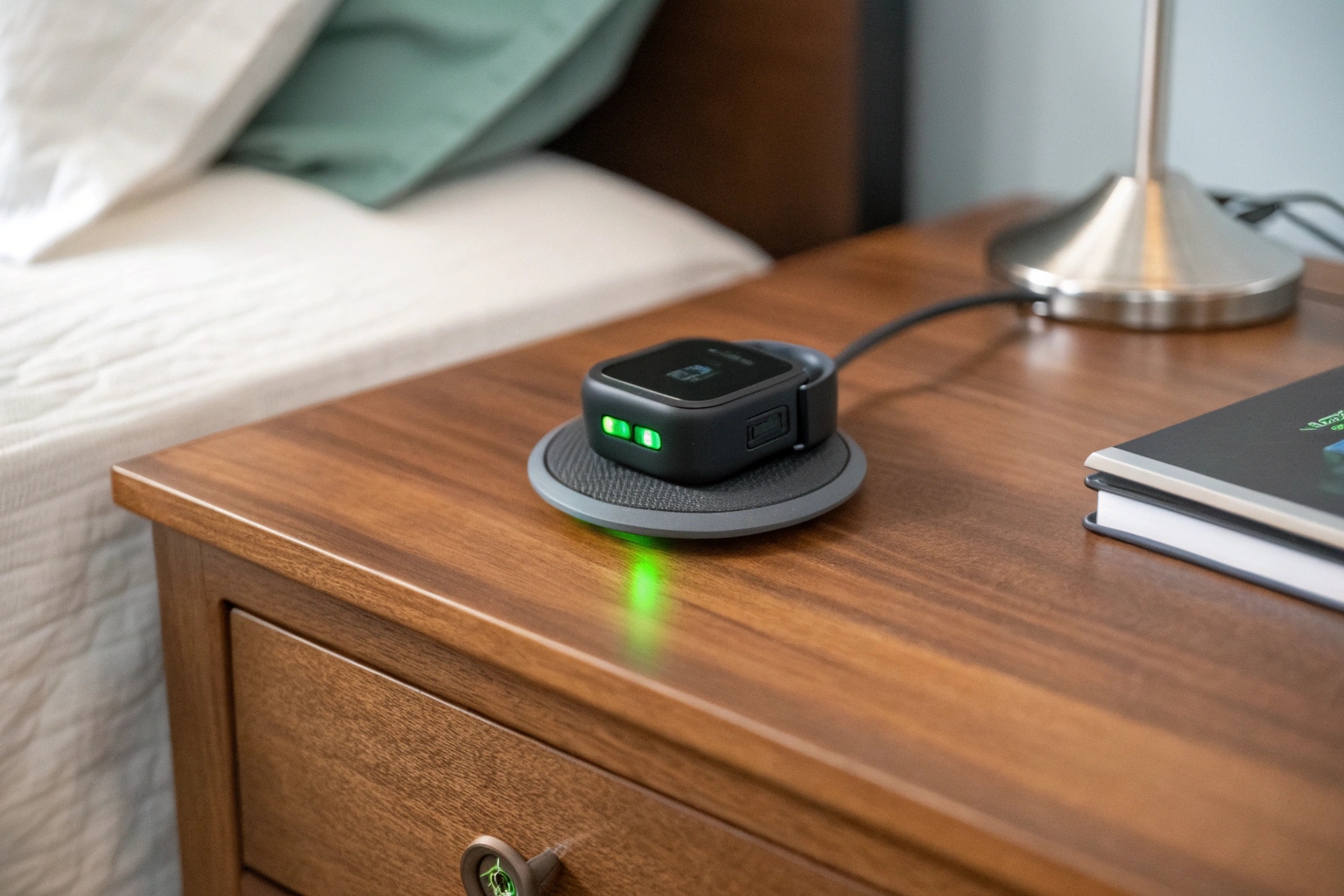
Advertised battery life is almost always based on perfect lab conditions. Your customers don't live in a lab. Their pets run, play, and go indoors and outdoors. You need to understand how the device performs in the real world. I always tell my clients, like Daniel from France, to test samples rigorously. Don't just turn it on and let it sit on a desk. Put it on an active dog for a week. The goal is to find a product that lasts for days, not hours. Clever software makes this possible.
Smart Power Management Explained
A quality tracker doesn't just have a bigger battery; it has a smarter brain.
- Geofence Safe Zones: You can set a "safe zone," like a home or yard. When the tracker is inside this zone, it enters a low-power standby mode, saving huge amounts of battery. It only activates full tracking when the pet leaves.
- Smart Activity Reporting: The device can use an accelerometer to detect when the pet is sleeping versus when it is running. It reduces the frequency of location updates when the pet is inactive, saving power.
What to Look For
| Feature | Basic Tracker (Causes Anxiety) | Advanced Tracker (Happy Customers) |
|---|---|---|
| Standby Tech | Constant GPS pings | Geofence low-power mode |
| Activity Mode | Same update rate always | Smart reporting based on pet's movement |
| Battery Size | Focuses only on mAh | Balances mAh with power-saving software |
Can the waterproof and structural design of pet trackers withstand the various challenges pets face?
Pets play rough. They run through rain, jump in mud, and wrestle with each other. A fragile tracker that breaks or gets water damage after a month is a guaranteed customer complaint and return.
Yes, a robust design is critical. You must verify the IP (Ingress Protection) waterproof rating—aim for IP67 or higher. Also, check that the casing is made from durable materials like polycarbonate and can withstand shocks and bites.

Never trust the words "water-resistant" or "durable" on a marketing sheet. These terms mean nothing without specific ratings and material specs. As an electronics supplier with an overseas warehouse in Italy, I see firsthand what happens to poorly made products. They fail, and we have to deal with the consequences. That is why our products, like the ones we supply to our partner Investiga Tu, are backed by clear certifications like CE and ROHS. For physical durability, you need to demand proof. Ask for the specific IP rating and what materials are used. A good manufacturer will provide this information without hesitation.
Understanding Durability Ratings
This is how you separate the toys from the serious tools.
- IP Ratings: This is a standard for waterproofing. The first digit is for dust/solid protection, and the second is for water.
- IP67: This means the device is completely dust-tight and can be submerged in 1 meter of water for 30 minutes. This is a great baseline.
- IP68: Even better. Protected against continuous submersion.
- Materials: Look for polycarbonate (PC) or ABS plastic housings. These are strong and can handle impacts. Avoid cheap, brittle plastics.
Questions for Your Supplier
| Aspect | Poor Design (Will Break) | Excellent Design (Will Last) |
|---|---|---|
| Waterproofing | Unrated or "water-resistant" | Certified IP67 or IP68 |
| Casing Material | Flimsy, unnamed plastic | Shock-resistant Polycarbonate/ABS |
| Attachment | Weak plastic or rubber loop | Reinforced collar clip or integrated design |
What is the firmware and software update mechanism? Can continuous stability and security be ensured?
You buy a product, and it works great. But six months later, a new phone operating system is released, and the tracker's app stops working. This is a nightmare that leads to angry customers.
Yes, a reliable supplier provides Over-the-Air (OTA) firmware updates. This allows for continuous improvements, bug fixes, and security patches without requiring the user to do anything. It ensures long-term product stability and customer satisfaction.
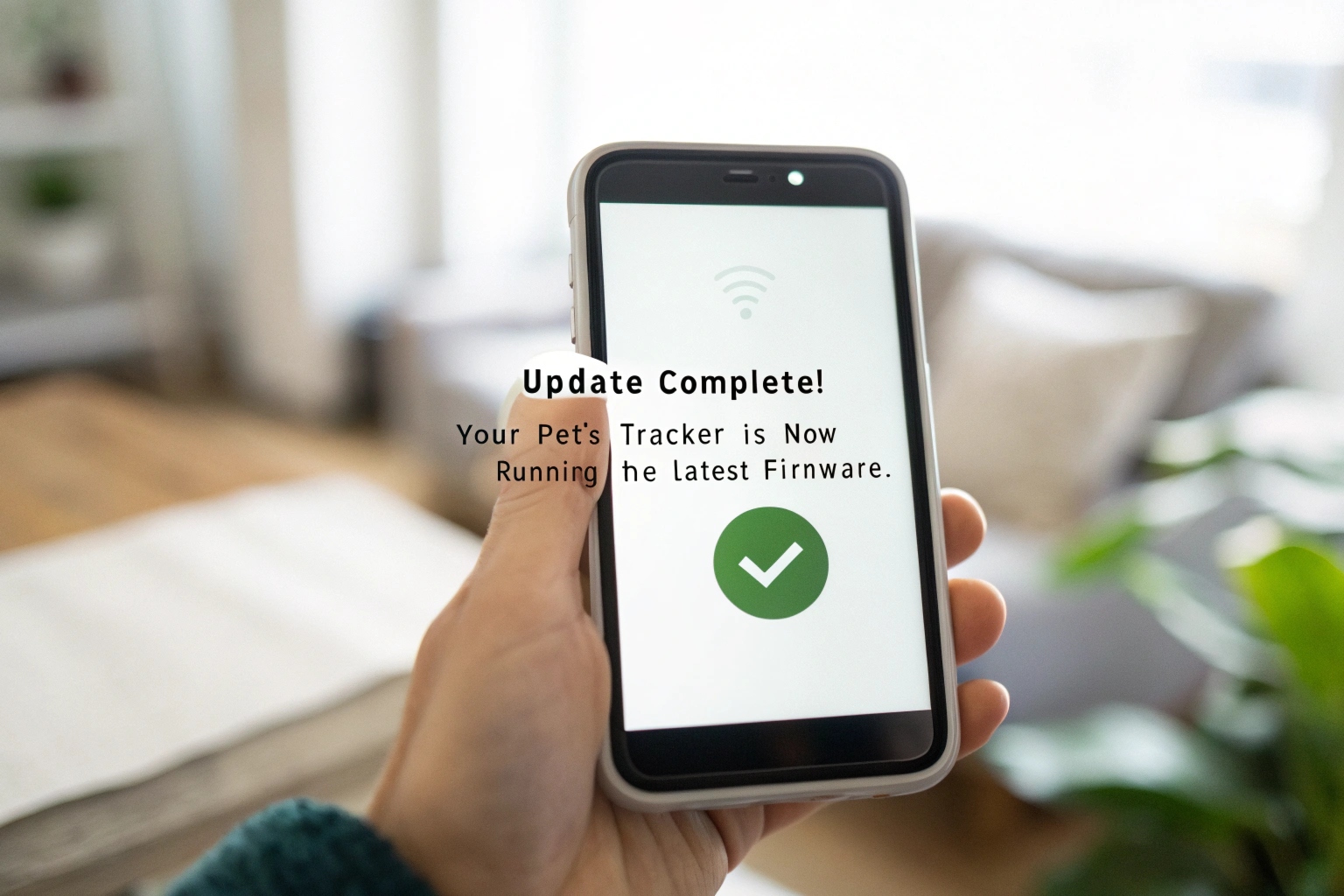
This is a point that many resellers overlook, but it's crucial for long-term success. A product is not just the hardware; it's the software that runs it. As a manufacturer focused on building long-term partnerships, we know this is key. You are not just buying a box; you are buying into an ecosystem. A supplier who does not have a clear plan for software updates is a major red flag. They are just looking for a quick sale. A serious partner, on the other hand, will proudly talk about their OTA update process because it shows their commitment to the product's entire lifecycle.
Why OTA Updates Are Non-Negotiable
This is a sign of a professional and reliable manufacturing partner.
- Bug Fixes: No software is perfect. Small bugs will be found. OTA updates allow the manufacturer to fix them quickly for all users.
- Performance Improvements: Updates can improve battery life, GPS accuracy, and app speed. The product gets better over time.
- Security Patches: Any device connected to the internet needs security updates to protect user data. This is essential for building customer trust and is a requirement in markets like the EU.
How to Verify a Supplier's Commitment
| Supplier Type | Unreliable (High Risk) | Reliable (Partnership Material) |
|---|---|---|
| Update Method | No updates, or requires manual install | Automatic Over-the-Air (OTA) updates |
| App Support | Poorly rated app, rarely updated | Well-maintained app with regular updates on App Store/Play Store |
| Roadmap | No future plans | Can discuss their plan for future features and support |
Conclusion
To reduce returns, vet the tech. Focus on multi-system GPS, real-world battery life, an IP67+ waterproof rating, and a supplier that provides automatic OTA firmware updates for long-term stability.

 English
  Italiano
  Deutsch
  Français
  Español
  Polski