
Vendor Vetting Challenge: How to Select Reliable Voice Recorder Keychain Suppliers
Sourcing electronics for the European market is a balancing act. You need competitive pricing, but one bad batch of faulty batteries or poor audio chips can destroy your reputation. As a factory operator, I see many buyers make the mistake of choosing suppliers based solely on the lowest unit cost. This approach often leads to high return rates and customer complaints.
To select a reliable voice recorder keychain supplier, you must verify three technical pillars: the chipset stability (DSP noise reduction), battery density relative to size (ensure actual mAh matches the spec sheet), and housing durability (Zinc alloy vs. recycled ABS). Always demand CE/ROHS compliance documentation before placing an order.
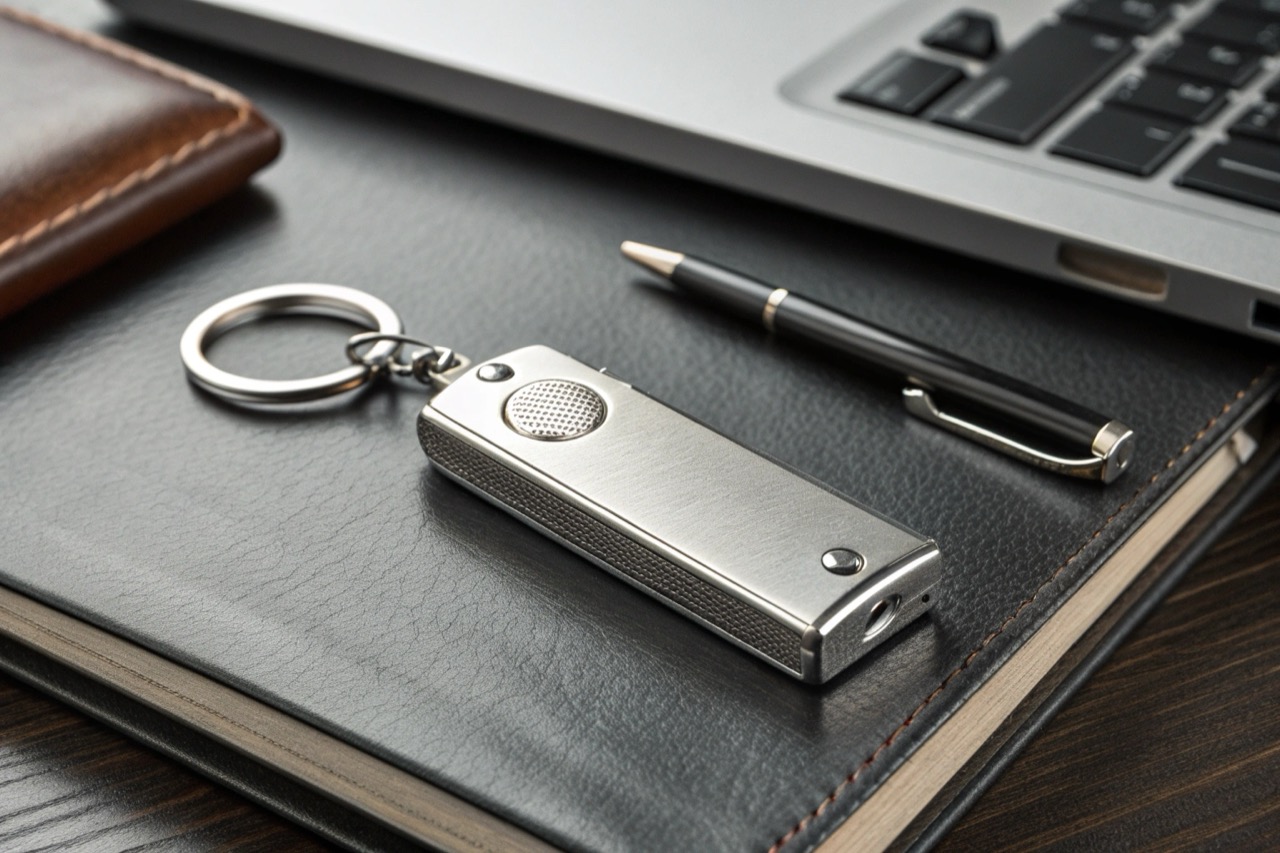
In this guide, we will break down the technical realities of sourcing these discreet devices. We will move beyond the glossy brochure and look at what actually matters in manufacturing.
What is the best voice recorder keychain on the market?
The "best" model depends entirely on the end-user's need for concealment versus battery life. However, for B2B distribution, the market winner is currently the Zinc Alloy "Car Key" style recorder.
The best voice recorder keychains combine a discreet car-key or padlock form factor with a minimum 192kbps bitrate and One-Key Recording logic. Models using CNC metal housing (like the Q11 or S20 series) drastically outsell plastic versions due to higher perceived value and durability.
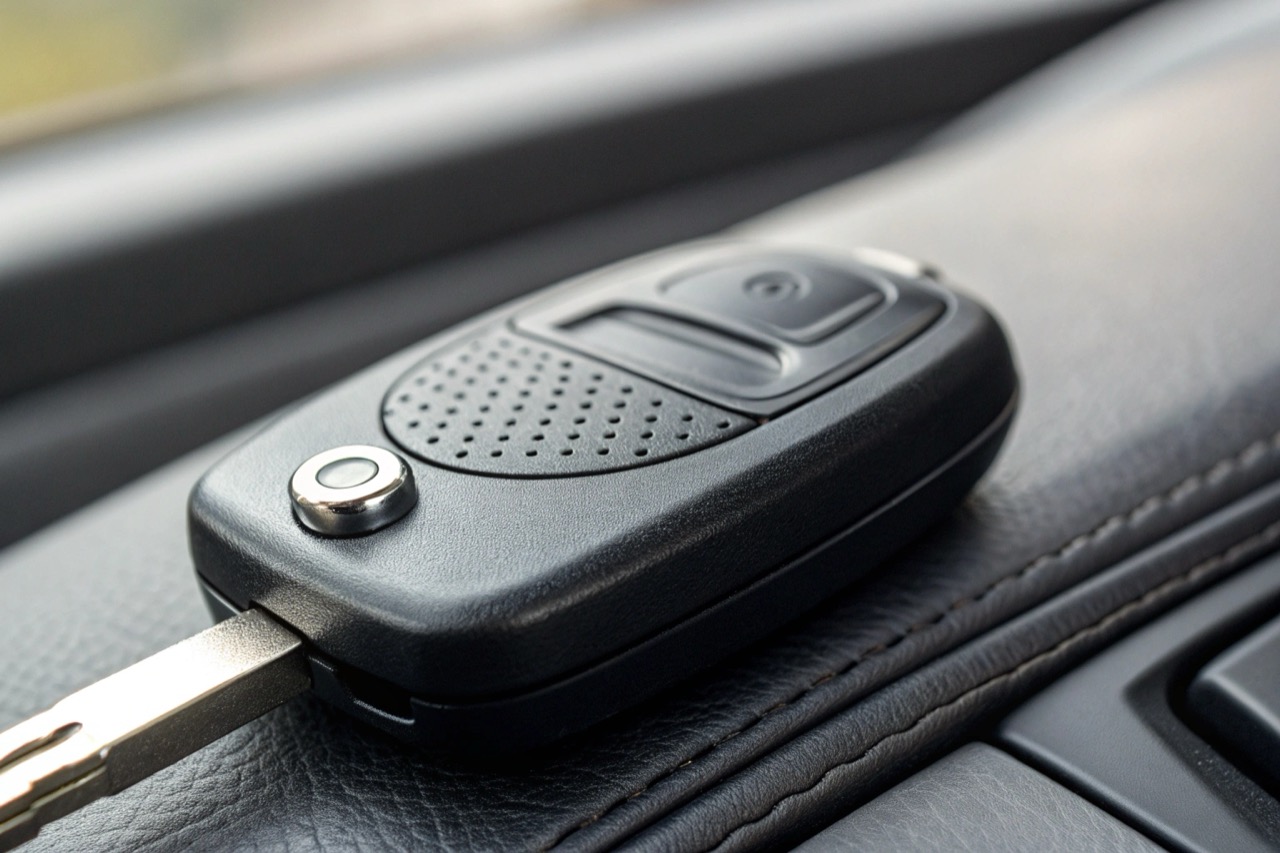
Dive Deeper: The Materials Matter
When you browse our catalog or any supplier's list, you will see two main categories:
- ABS Plastic (Entry Level): Models like the M1. These are lightweight and cheap. They work fine for students, but they feel "hollow."
- Zinc/Aluminum Alloy (Professional): Models like the Q11 or ZD58. These feel heavy in the hand (simulating real keys) and are rugged.
For European professional buyers, I always recommend the metal alloy options. They withstand being dropped in a pocket with other real keys. Furthermore, the "best" units feature One-Key Recording. In an emergency or quick-capture scenario, users cannot fumble with menus. A physical slide switch that instantly starts recording is a mandatory feature for a top-tier product.
If you are looking to update your inventory with high-demand models, discover discreet voice recorders that meet these strict manufacturing standards.
How long do voice recorders keychain last?
Battery life is the most common pre-sales question. In the keychain form factor, physical size strictly limits the battery capacity.
Most high-quality voice recorder keychains last between 15 to 24 hours of continuous recording on a single charge. Standby time is significantly longer. If a supplier promises 50+ hours in a standard keychain size (under 10g), they are likely exaggerating the battery density.
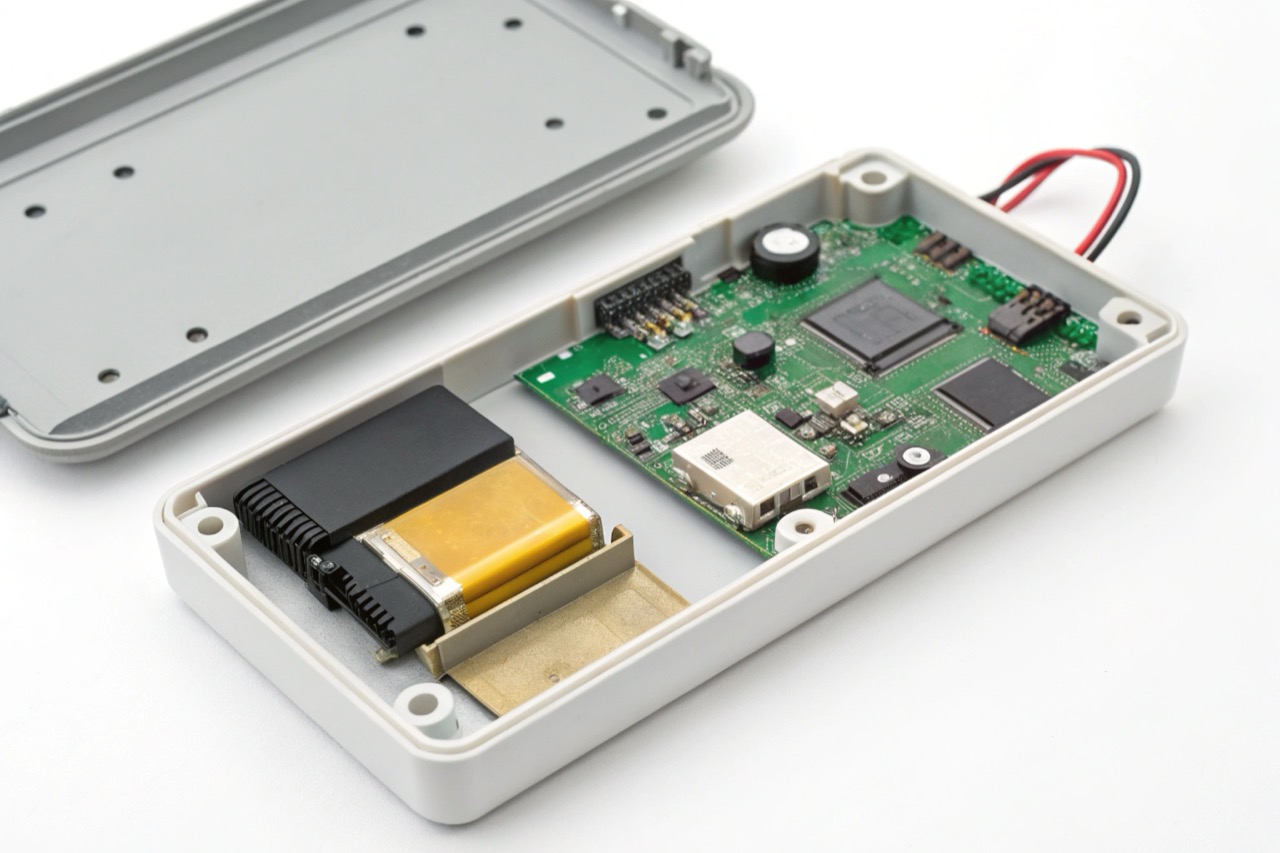
Dive Deeper: The mAh Reality Check
Inside a typical keychain recorder (like the S1 or Q11), there is very limited space. We usually fit a lithium polymer battery ranging from 90mAh to 150mAh.
- 90mAh Battery: ~10-12 hours continuous recording.
- 150mAh Battery: ~20-24 hours continuous recording.
Storage vs. Battery: Do not confuse recording time (battery life) with storage capacity (memory). A device with 16GB of memory can hold 192 hours of audio files. However, the battery will die after 20 hours. The user must charge it to fill the memory completely.
Pro Tip: Look for devices with VOR (Voice Activated Recording). This feature pauses recording when there is silence. It saves memory space and makes playback easier for the user, though it does not significantly extend battery life (the mic is still "listening").
How to get a good quality sound recording?
Audio quality is determined by the bitrate and the DSP (Digital Signal Processing) chip. A keychain is not a studio microphone, but it should be clear enough for evidence or meetings.
To ensure good quality sound, choose recorders with a minimum bitrate of 192kbps. Higher-end models offer 256kbps or even 1536kbps (PCM), though 192kbps is the industry standard for voice clarity. Ensure the device has active noise cancellation to filter out pocket friction.

Dive Deeper: Bitrates and Distance
- 192kbps: The standard for our QZT hidden series. It provides clear vocals up to 5-10 meters away while keeping file sizes manageable.
- 384kbps+: Offers slightly more detail but fills up memory twice as fast.
The Microphone Position: When vetting a sample, check the microphone hole. Is it exposed or buried too deep inside the casing? A poorly placed mic results in "muffled" audio. Also, check for Time Stamping. Reliable recorders must sync with a PC to timestamp files. This is crucial for legal or professional use. If the device cannot hold a time setting, the chipset is likely outdated.
How do I choose an audio recorder keychain?
Choosing the device is easy; choosing the partner is hard. In the B2B world, reliability trumps features.
Select a supplier who owns their molds and offers local logistical support. Verify they hold valid CE certifications for the specific model, not just a generic factory certificate. Prioritize suppliers with warehouses in Europe to mitigate shipping delays and customs risks.

Dive Deeper: The Logistics Advantage
At QZT, we manufacture in Vietnam and stock in Italy. Why does this matter?
- Tariffs & Compliance: Vietnam origin avoids certain US/EU tariffs applicable to Chinese origin goods.
- Speed: B2B buyers cannot wait 40 days for sea freight for every restock. Having stock in Europe means 3-5 day delivery.
- Certifications: The EU is strict. CE and ROHS are non-negotiable. Many cheap suppliers provide fake certificates. Always ask for the test report number to verify.
When you are ready to source, look for stability. Check the housing material, verify the battery life claims against the physical size (mAh), and ensure the audio chipset is modern. You can browse our audio recording devices to see examples of products that meet these rigorous standards.
Conclusion
Selecting the right voice recorder keychain supplier requires looking under the hood. Focus on zinc alloy housings, verified 192kbps+ audio quality, and realistic battery claims (15-24 hours). Partner with manufacturers who understand European compliance to ensure your supply chain remains stable and profitable.

 English
  Italiano
  Deutsch
  Français
  Español
  Polski