
Vetting Suppliers: Key Questions for Camera OEMs in 2026
Sourcing reliable surveillance technology is getting harder, not easier. You see thousands of suppliers claiming "4K resolution" or "infinite battery life," but how do you separate marketing fluff from engineering reality? As a professional buyer, your reputation depends on the stability of the hardware you sell.
To vet a camera supplier in 2026, you must look beyond price. You need to verify their transparency regarding battery capacity, chipset stability (like Tuya vs. generic apps), and CE/ROHS compliance for the European market.
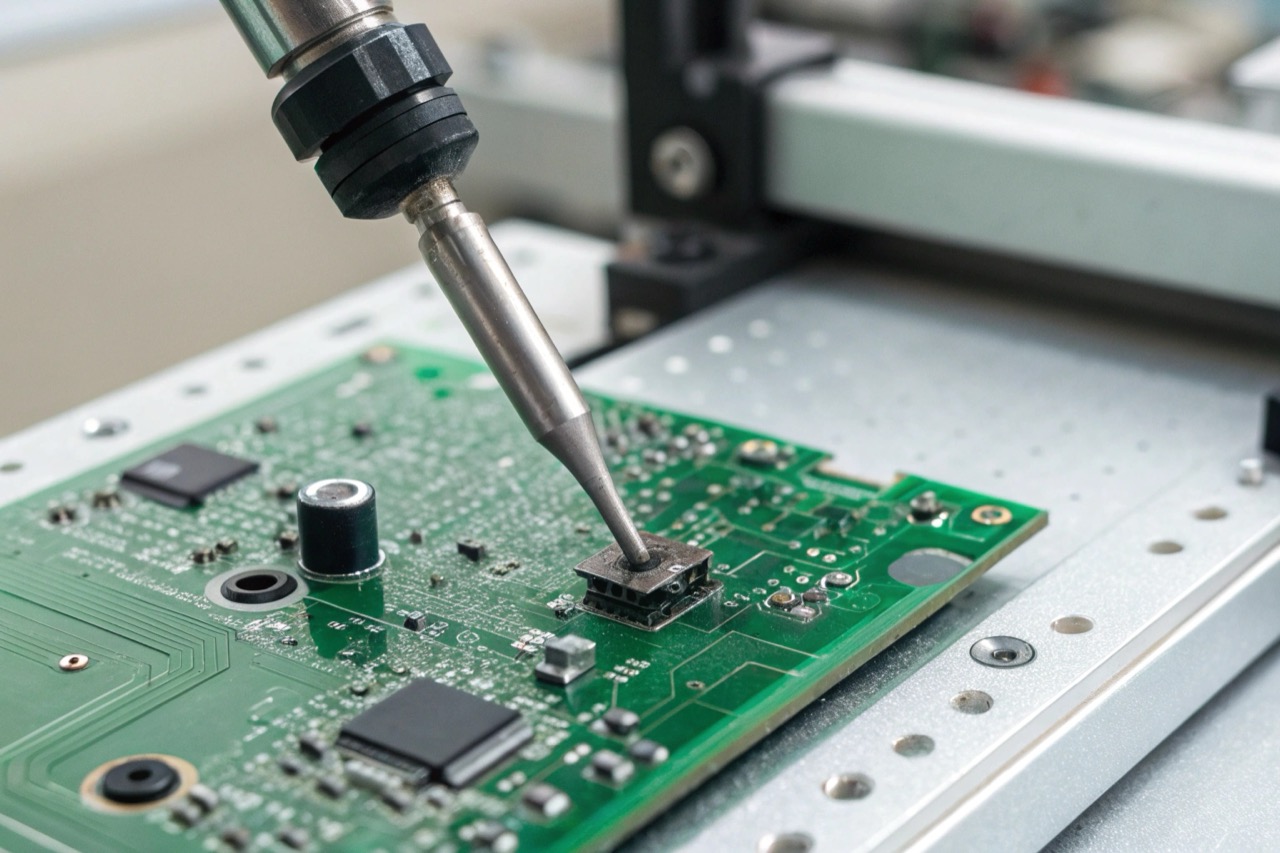
In my years managing production between Vietnam and Italy, I have seen many buyers get burned by "cheap" specs that fail in the field. To help you build a stronger inventory, I will answer the four most critical technical questions we receive from professional B2B partners.
Where Should You Strictly Avoid Installing Hidden Cameras?
You must never install hidden cameras in areas where there is a reasonable expectation of privacy, such as bathrooms, changing rooms, or bedrooms (unless it is your own home). Additionally, avoid high-heat environments like direct sunlight behind glass, which can damage lithium batteries.
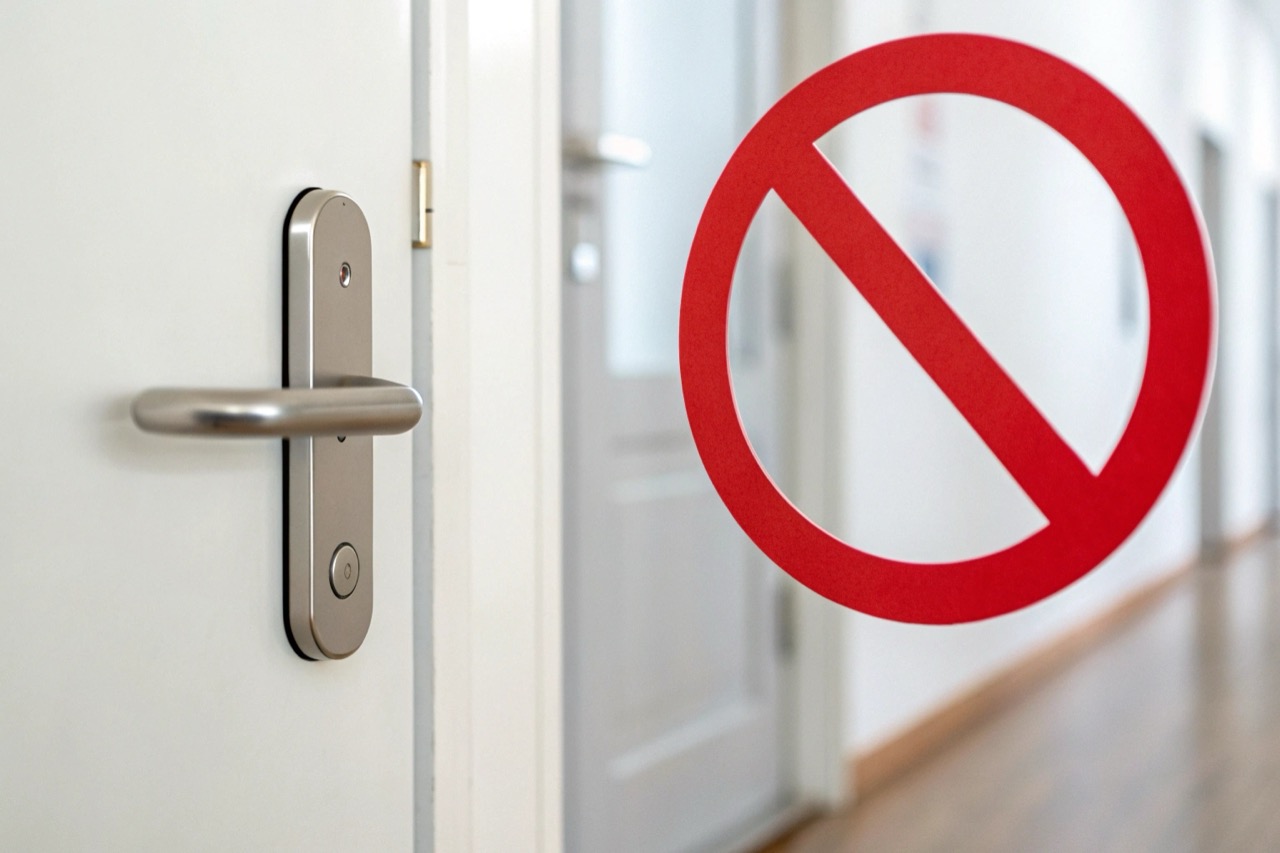
When you explore our professional surveillance cameras, you will notice we emphasize ethical usage and durability. There are two main factors here: legal compliance and hardware safety.
1. Legal and Ethical Boundaries (GDPR): In Europe, privacy laws are strict. While selling hidden cameras is legal, using them to record employees without consent or filming private spaces is often illegal. As a distributor, you should educate your customers to avoid legal liability.
2. Hardware Limitations: Technically speaking, you must avoid placing battery-powered units in extreme conditions:
- High Humidity: Unlike outdoor IP66 cameras, most mini cameras (like the C10 module) have exposed vents for cooling. Steam can short-circuit the board.
- Extreme Heat: Do not place a black plastic camera on a car dashboard in summer. Lithium batteries, like the 2800mAh units we use, have safe operating temperatures. Overheating causes swelling or failure.
What Is the Best Small Compact Camera for OEM Integration?
The best compact camera for B2B integration is the "DIY Module Camera" (specifically the C10 Tuya model). It offers the perfect balance of size (lens as small as 8x8mm), 1080P clarity, and integration with the stable Tuya Smart ecosystem.
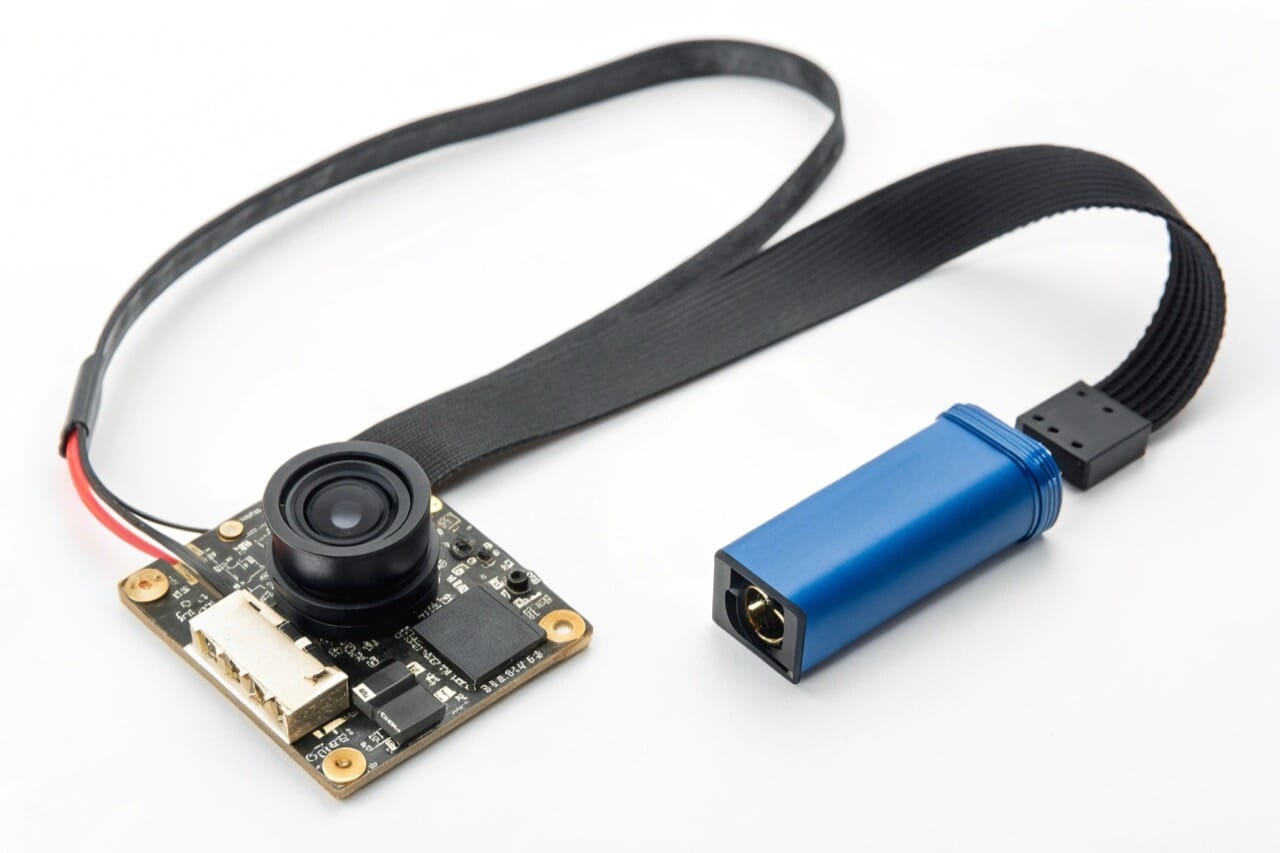
Many clients ask for the "smallest" camera, but "smallest" often means unstable connectivity. For 2026, the C10 Tuya Module is our top recommendation for importers for three reasons:
- Platform Stability: Unlike generic apps (like HDlivecam) which can be unstable, the Tuya platform is globally recognized. It connects faster and crashes less.
- True 1080P: Be careful of suppliers claiming "4K" on tiny sensors. As noted in our engineering logs, true 4K requires massive heat dissipation that mini cameras cannot handle yet. The C10 provides honest, crisp 1080P.
- Flexibility: It comes with a 2800mAh battery and a long lens ribbon. Your end-customers can hide it inside a teddy bear, a bookshelf, or a custom enclosure.
If you need a finished product rather than a DIY kit, the W8 Pen Camera is also a strong contender for portable recording, though it has a shorter battery life.
How Long Do Mini Wi-Fi Cameras Actually Record?
Recording time depends entirely on battery size and power mode. A standard DIY module (2800mAh) records for 5-7 hours continuously, while a Power Bank Camera (5000mAh) can record for over 20 hours. Devices with "Motion Detection" can standby for days.
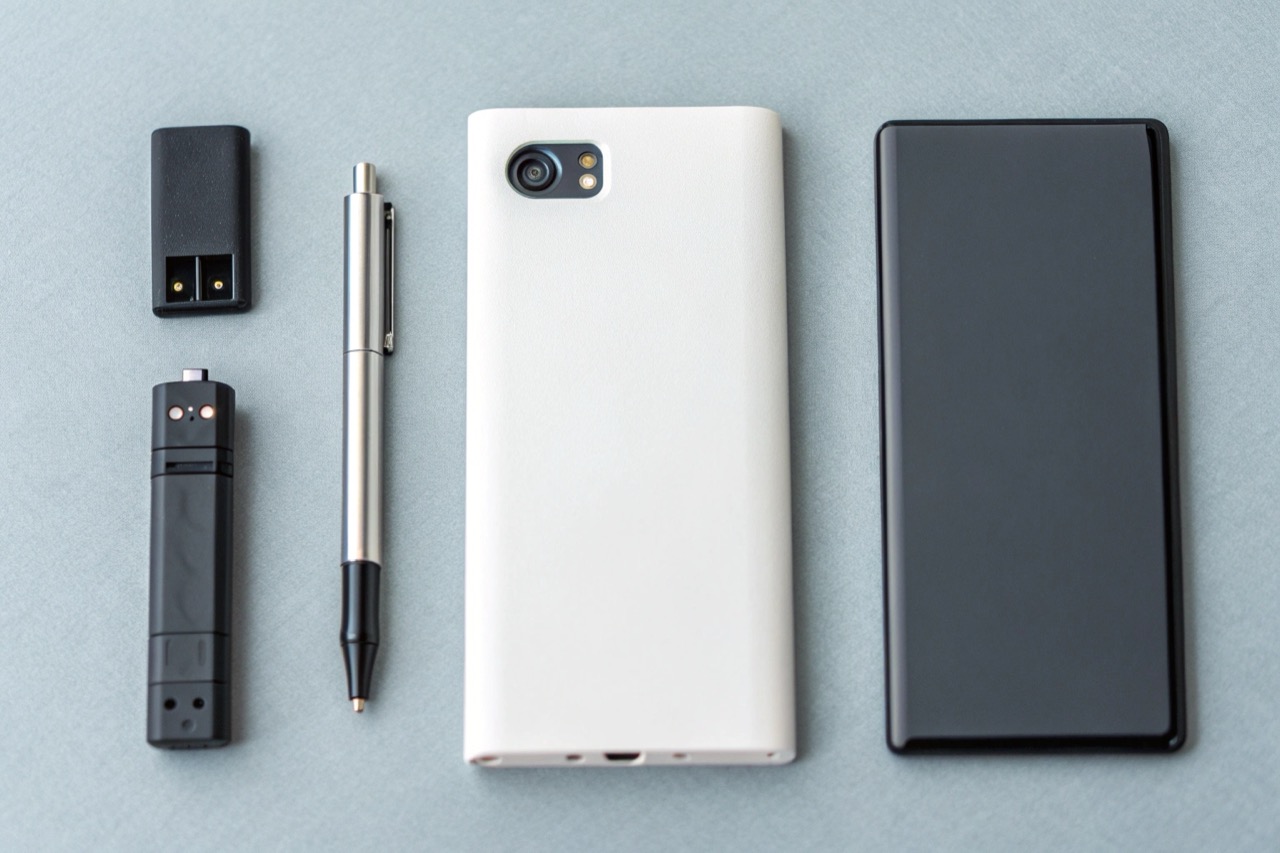
One of the biggest friction points in B2B sales is managing customer expectations regarding battery life. Here is the realistic data from our factory testing:
- Standard Modules (e.g., C10): With a 2800mAh battery, you get approximately 300 to 420 minutes (5 to 7 hours) of continuous Wi-Fi streaming.
- Power Bank Cameras (e.g., H3): Since these disguise a large 5000mAh battery, they can record for 1200 minutes (20 hours). This is ideal for long-term monitoring.
- Pen Cameras (e.g., W8/W9): Due to size constraints, these batteries are small (170-350mAh). They record for 75 to 150 minutes.
Pro Tip: Always recommend devices that support "recording while charging." This allows the user to plug the camera into a wall adapter for 24/7 operation, eliminating battery anxiety.
What Are Two Advantages of Using Wireless Cameras?
The two main advantages are remote accessibility via global apps and the ease of installation without drilling or wiring. This reduces labor costs for the end-user and increases the resale value of the product.
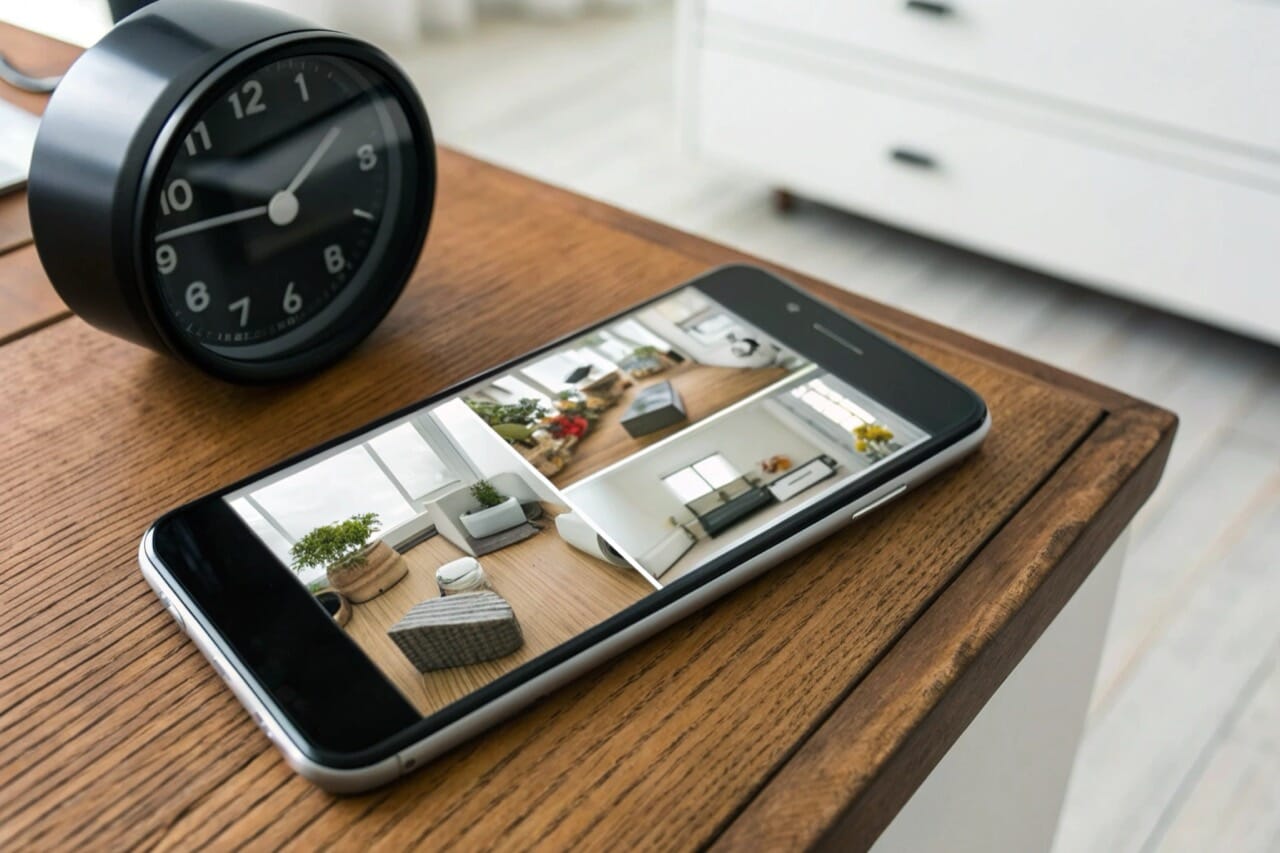
When you discover discreet voice recorders or wireless cameras in our catalog, the selling point is always convenience.
1. Remote Management via App: Modern wireless cameras (especially Tuya models) allow users to view live video from anywhere in the world. They send push notifications to the phone when motion is detected. This turns a passive recording device into an active security system.
2. Non-Destructive Installation: Traditional CCTV requires drilling holes and running coaxial cables. Wireless hidden cameras (like the A85 Socket Camera or Z10 Clock) blend into the environment instantly.
- Cost Efficiency: No electrician needed.
- Portability: If the user moves offices, they simply unplug the clock or charger camera and take it with them.
Conclusion
Vetting suppliers requires asking the tough questions about compliance, battery reality, and platform stability. Focus on honest specs—like reliable 1080P over fake 4K—to build trust with your market. If you are ready to stabilize your supply chain with European-standard quality, we are here to help.

 English
  Italiano
  Deutsch
  Français
  Español
  Polski