

Struggling to record important events discreetly? A bulky, obvious camera makes people act unnaturally. The best body-worn cameras look like everyday objects, letting you capture moments naturally.
The best body-worn hidden cameras1 are discreet, non-WiFi models2 disguised as pens3, buttons, or glasses. They are highly reliable as they record directly to a memory card4. This prevents network issues from interrupting your recording. For long-term use, a customizable DIY module is perfect.

Choosing the right device is only the first step. Many of my clients, especially experienced e-commerce owners like Piotr in Poland, always ask about the rules first. They need to be sure the products they sell on their sites are fully compliant for their customers in the EU. It's a very important question, and the answer can be complex. Understanding the legal side is just as critical as picking the hardware. Let’s look at the most common legal questions I get.
Is it legal for a civilian to wear a body camera?
Are you worried about getting into legal trouble for recording? Using a body camera the wrong way can cause serious problems. I always advise my partners on the rules first.
In most public places, it is legal for a civilian to wear and use a body camera to record video. Things get complicated when you record audio. Many laws require consent from at least one person in the conversation. Laws change based on your country and even your state.

When I first started working with European distributors, this was their biggest concern. A partner in Germany was very cautious. He wanted to sell our pen cameras, but he needed to be certain his customers would not break the law. This is why we focus so heavily on providing clear guidance. The main thing to understand is the difference between recording in public and private spaces5.
Public vs. Private Spaces
In a public space, like a park or a street, people generally do not have a reasonable expectation of privacy6. You can usually record video freely here. A private space is different. This includes places like a person's home, a doctor's office, or a bathroom. Recording someone in a private space without their permission is almost always illegal.
Audio Recording Consent Laws
Audio is treated more strictly than video. The laws for recording conversations fall into two main types. I made a simple table to explain this to my clients.
| Consent Type | Description | Common in... |
|---|---|---|
| One-Party Consent7 | You only need permission from one person in the conversation to record it. You can be that one person. | Many US states, some EU countries. |
| Two-Party Consent8 | You need permission from everyone in the conversation to record it. | Some US states (like California), Germany, France. |
For my B2B clients like Piotr, this is critical. They sell our products across the EU. We make sure they know that they must advise their end-users to check local regulations carefully. This protects them and their customers.
The laws in the United States can be very confusing for hidden cameras. A small mistake can lead to big legal issues. We help all our North American partners understand these rules.
Hidden cameras themselves are not illegal in the US. You can use them to record video in public places where there's no expectation of privacy. But recording audio without consent is illegal in many states. And using hidden cameras in private areas like bathrooms or locker rooms is illegal everywhere.
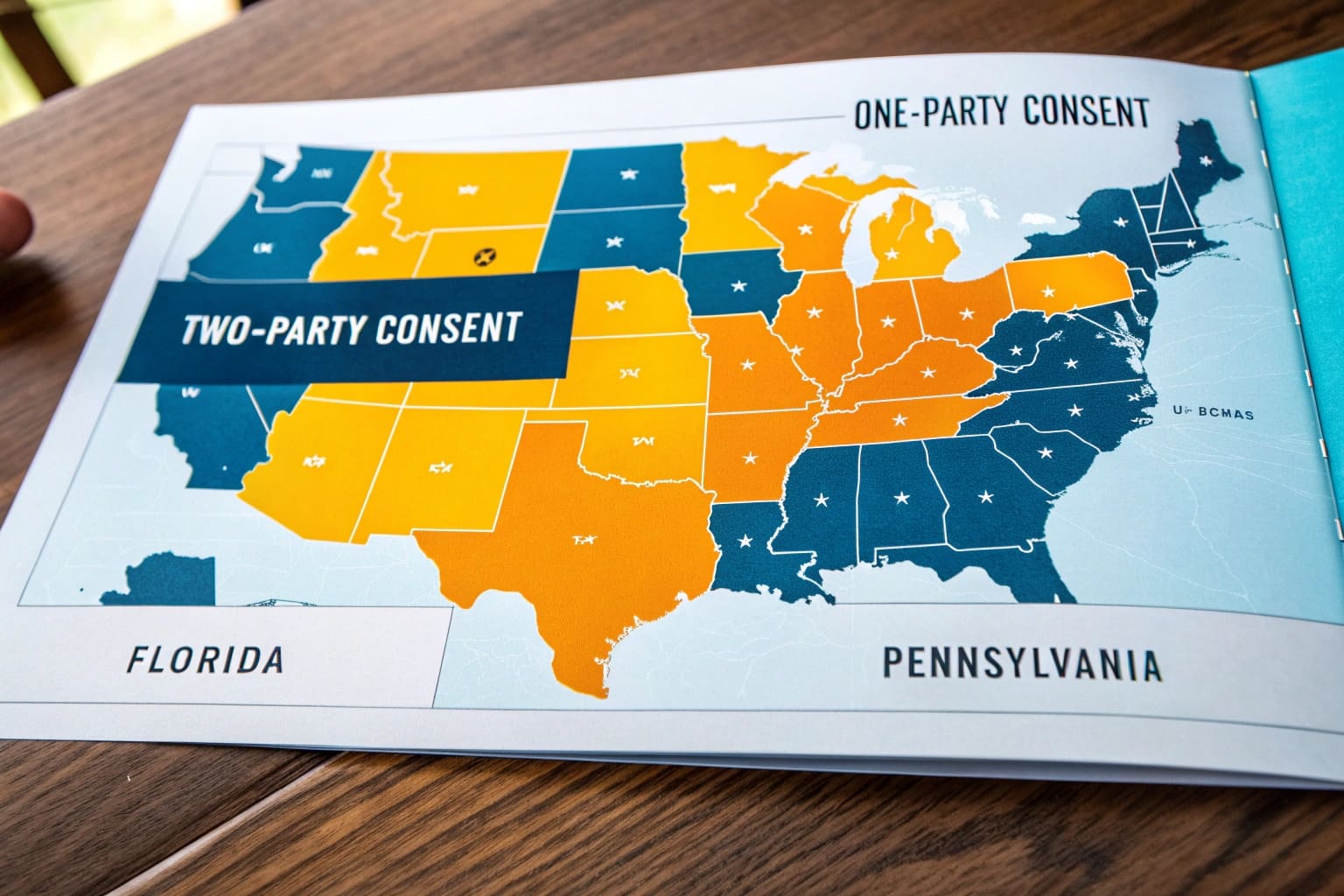
I remember a potential client from California who wanted to stock our products in his electronics stores. His first question was about their "two-party consent" law. He was worried about selling a product that could be used illegally. It's a valid concern. We walked him through the specifics. The key is to know that video and audio are treated differently and that location matters a lot. His responsibility as a seller was to inform customers about the law, not to enforce it. This gave him the confidence to place an order.
Federal vs. State Laws
The US has laws at both the federal and state levels. A federal law, the Video Voyeurism Prevention Act9, makes it illegal to knowingly record someone in a private area on federal property without consent. But most of the rules you need to follow come from the state level.
The Big Difference: State Audio Consent Rules
The biggest difference between states is their rule on audio recording.
- One-Party Consent7 States: In states like Texas and New York, only one person in a conversation needs to know it's being recorded. If you are part of the conversation, you can record it without telling anyone else.
- Two-Party (or All-Party) Consent States: In states like California, Florida, and Pennsylvania, you need permission from everyone involved to record a conversation.
Because our products record both video and audio, we advise our US distributors to include a clear disclaimer with every sale. It should tell the buyer to check their state laws on audio recording. This protects our distributor and empowers the end-user to act responsibly.
Are you afraid someone might discover your camera? A camera that gets found is useless and can create a very awkward situation. It's important to know which types are the hardest to find.
Yes, some hidden cameras can be traced. Models that use WiFi to stream video are detectable with network scanning apps or RF detector10s. Cameras that do not use WiFi and record directly to an SD card are nearly impossible to trace electronically. They do not send out any signals.
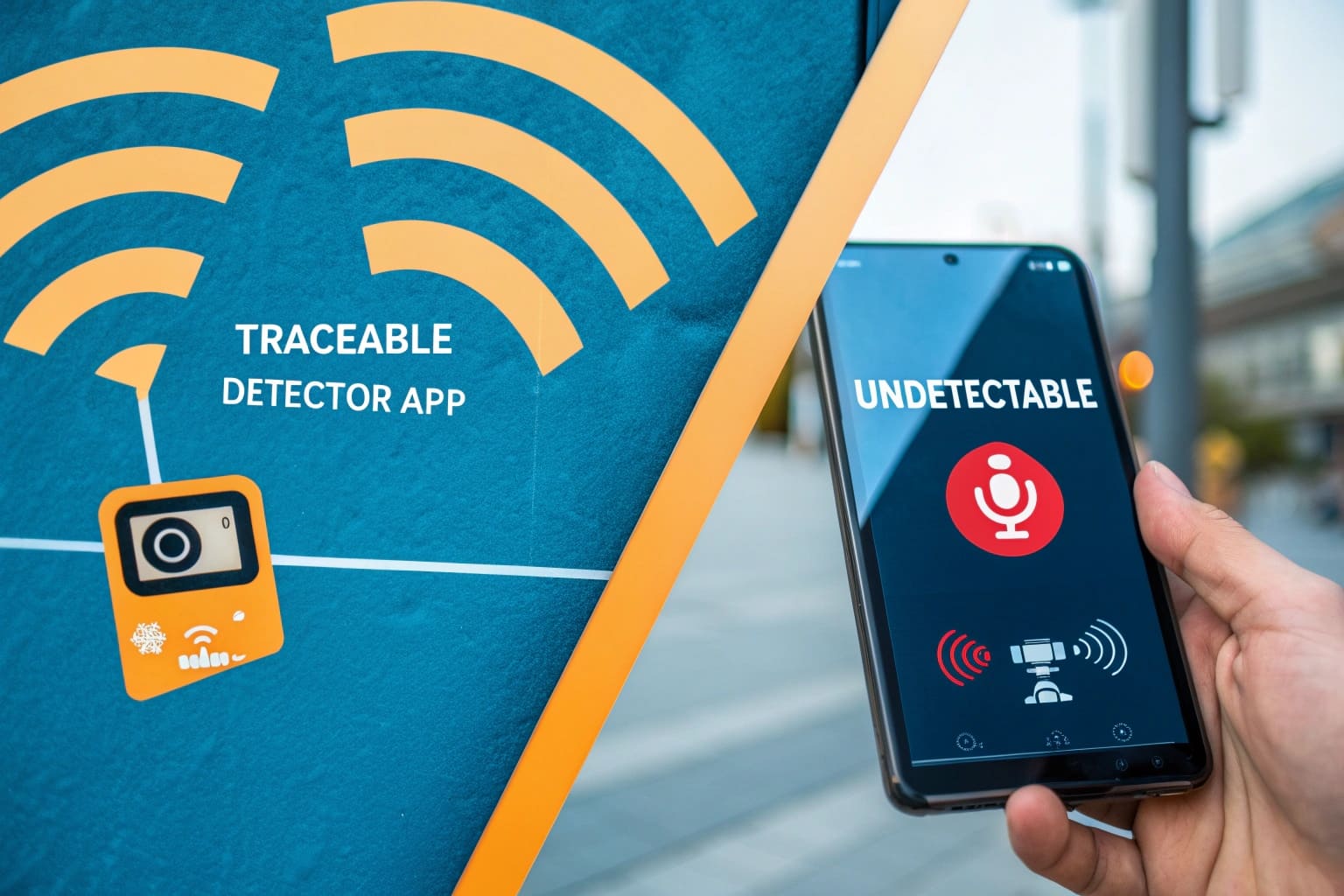
This is the most common technical question I get from clients. They want products that are reliable and discreet. Many ask for WiFi cameras because they seem convenient. But I always tell them this story. A client was trying to document poor service in a building's basement. His WiFi camera stopped working because there was no signal. The stream cut out, and he lost the evidence. After that, he only bought direct-recording cameras from us. This is why we almost always recommend non-WiFi cameras for body-worn use.
Why Non-WiFi is Better for Body-Worn Cameras
WiFi cameras send out a radio frequency (RF) signal. Anyone with a simple RF detector10 or a WiFi scanner app on their phone can find the signal and know a camera is nearby. Non-WiFi devices are totally different.
- Undetectable: They record everything to an internal memory card. They don't transmit anything, so they have no electronic signature11. They are invisible to scanners12.
- More Reliable: Your recording never depends on a network connection. You can be in a basement, an elevator, or a remote area. The camera will still work perfectly. You get a stable, smooth video file every time.
Here is a quick comparison.
| Feature | Direct-Recording (Non-WiFi) Camera | WiFi Camera |
|---|---|---|
| Discretion | Excellent. No signals to detect. | Fair. Can be found with scanners. |
| Reliability | Excellent. Not affected by network. | Poor. Needs a strong, stable WiFi signal. |
| Ease of Use | Very simple. Just press a button to start. | Can be complex. Needs app and pairing. |
| Best For | Body-worn evidence, interviews, unstable areas. | Fixed home or office monitoring. |
For a discreet body camera, a non-WiFi model is the professional choice. It gives you peace of mind that it will work when you need it and won't be easily discovered.
Do you need to record video in low light or total darkness? Most standard cameras will only give you a black, useless screen. But special hidden cameras are designed for this exact challenge.
Yes, many advanced hidden cameras can work perfectly in the dark. They use special infrared (IR) LEDs13 to provide night vision. These LEDs create light that the camera can see, but the human eye cannot. This allows for discreet recording even in complete darkness.
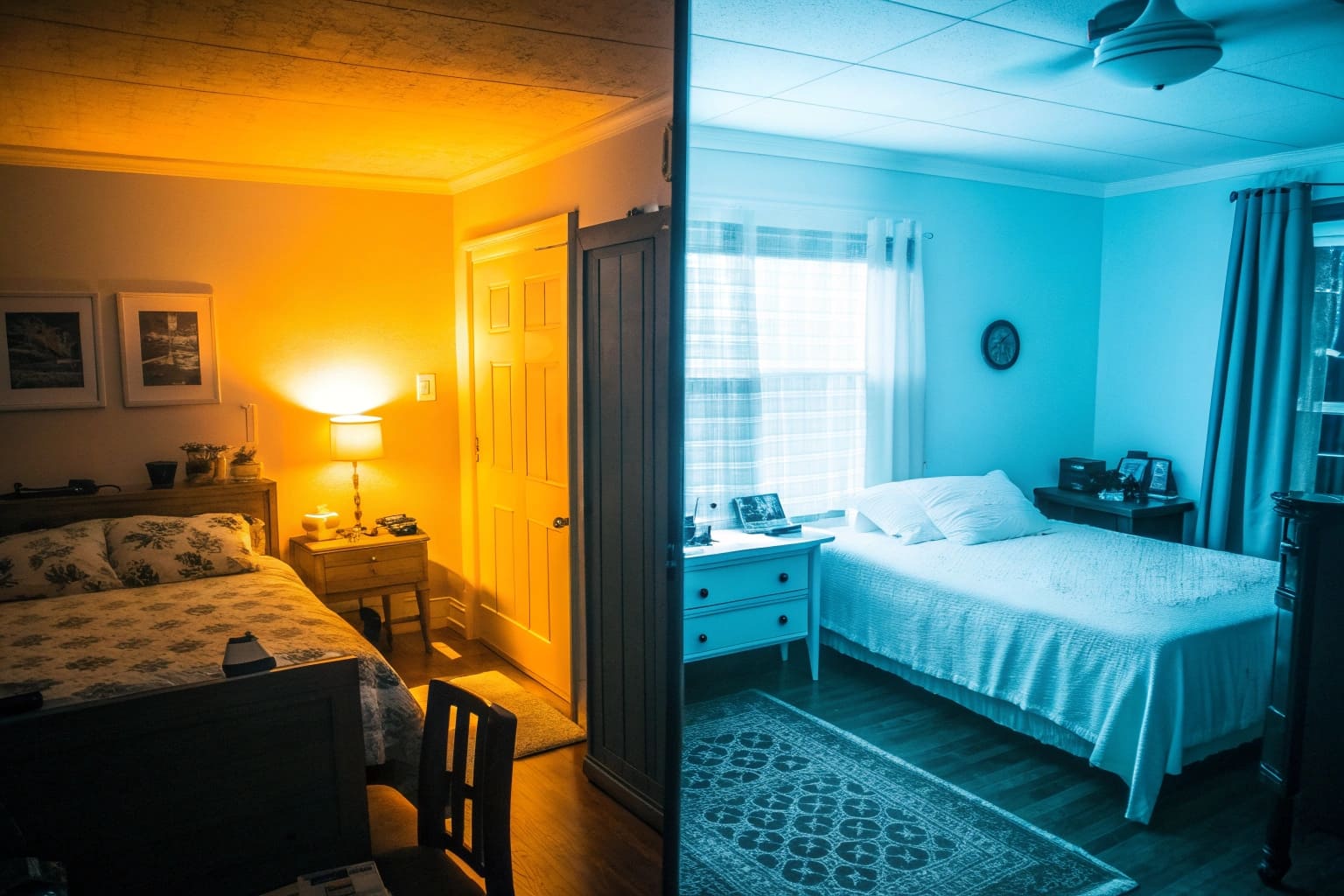
Developing a great night vision camera was a personal project for me. Clients like Piotr, who sell in diverse European markets, kept asking for a solution. They needed a camera that their customers could build into any object and that would work 24/7, day or night. Standard night vision cameras often have a faint red glow from the LEDs, which isn't discreet. So our R&D team worked to create a truly invisible solution. The result is our new S820 Tuya DIY module15.
How Invisible Night Vision Works
The magic behind night vision is infrared light.
- Standard IR (850nm): This type of IR LED produces a faint red glow that can be seen in the dark if you look directly at it. It's not ideal for truly covert use.
- Invisible IR (940nm)16: This wavelength is completely invisible to the human eye. There is no red glow. This is what we use in our high-end discreet cameras. The camera sensor can see the IR light perfectly, illuminating a room in black and white, while it looks pitch black to anyone there.
Our Solution: The Night Vision Tuya DIY Module
We are really proud of this product. It solves so many problems for our B2B clients.
- Fully Customizable17: It's a tiny camera module. A client like Piotr can integrate it into a button, a clock, a book—anything his brand wants to create.
- True Night Vision18: It uses the 940nm invisible IR LEDs. It provides clear video in total darkness with no tell-tale glow.
- Long Recording Time: It's designed for extended use and can record for dozens of hours, much longer than a typical body camera.
- Tuya Smart App19: You can also connect it to the Tuya app for live viewing if you need it, giving you the best of both worlds.
This module shows our commitment to independent R&D. We listened to our partners' needs and built a specific, high-quality solution for them. It gives them a unique, certified product to sell in the competitive EU market.
Conclusion
The best body camera depends on your specific needs and location. Focus on discreet, non-WiFi designs for reliability, and always check local laws. We help our partners navigate these choices.
Learn expert reviews and comparisons to choose a covert device that captures natural behavior without drawing attention. ↩
Discover technical insights on how non-WiFi cameras avoid detection and network dropouts, ensuring uninterrupted evidence gathering. ↩
Find rankings of pen-style cameras that blend in seamlessly, letting you record meetings or inspections without suspicion. ↩
See guides explaining storage advantages, longer runtimes, and how to safeguard footage when connectivity is impossible. ↩
Understand global privacy laws so you can film responsibly and avoid costly legal mistakes when using covert devices. ↩
Review landmark cases clarifying where you can legally record, ensuring ethical and lawful evidence collection. ↩
Check authoritative legal charts to ensure you comply with consent rules before capturing conversations. ↩
Get clear explanations and state lists so you never violate strict all-party consent statutes. ↩
Review federal guidelines to recognize boundaries and prevent misuse of hidden cameras on U.S. federal property. ↩
Explore tutorials on using RF scanners to uncover transmitting devices, boosting your counter-surveillance knowledge. ↩
Find technical discussions on non-emitting designs that keep covert gear undetectable in sensitive environments. ↩
Find breakdowns of stealth recording tech that leaves no digital trace, perfect for high-stakes investigations. ↩
Gain technical insight into IR illumination, helping you select equipment that records clear footage in darkness. ↩
Compare top-rated models that deliver sharp black-and-white footage without emitting a tell-tale glow. ↩
Read product reviews detailing integration ease, night vision quality, and smart-app compatibility for makers. ↩
See lab tests showing how 940 nm LEDs stay unseen by humans while lighting scenes for the camera. ↩
Understand how modular design lets brands embed cameras in everyday objects, creating unique market offerings. ↩
Learn the specs—light sensitivity, IR wavelength, range—that differentiate genuine night performance from gimmicks. ↩
Discover app features like remote live view, alerts, and cloud storage that add flexibility to covert setups. ↩