
Your wireless camera failed. Now you have no evidence. We help you choose reliable hardware that works every time.
Yes, modern wireless hidden cameras deliver reliable 1080P video and clear audio. True reliability depends on three factors: a stable WiFi signal, a correct power source, and a high-quality camera module.
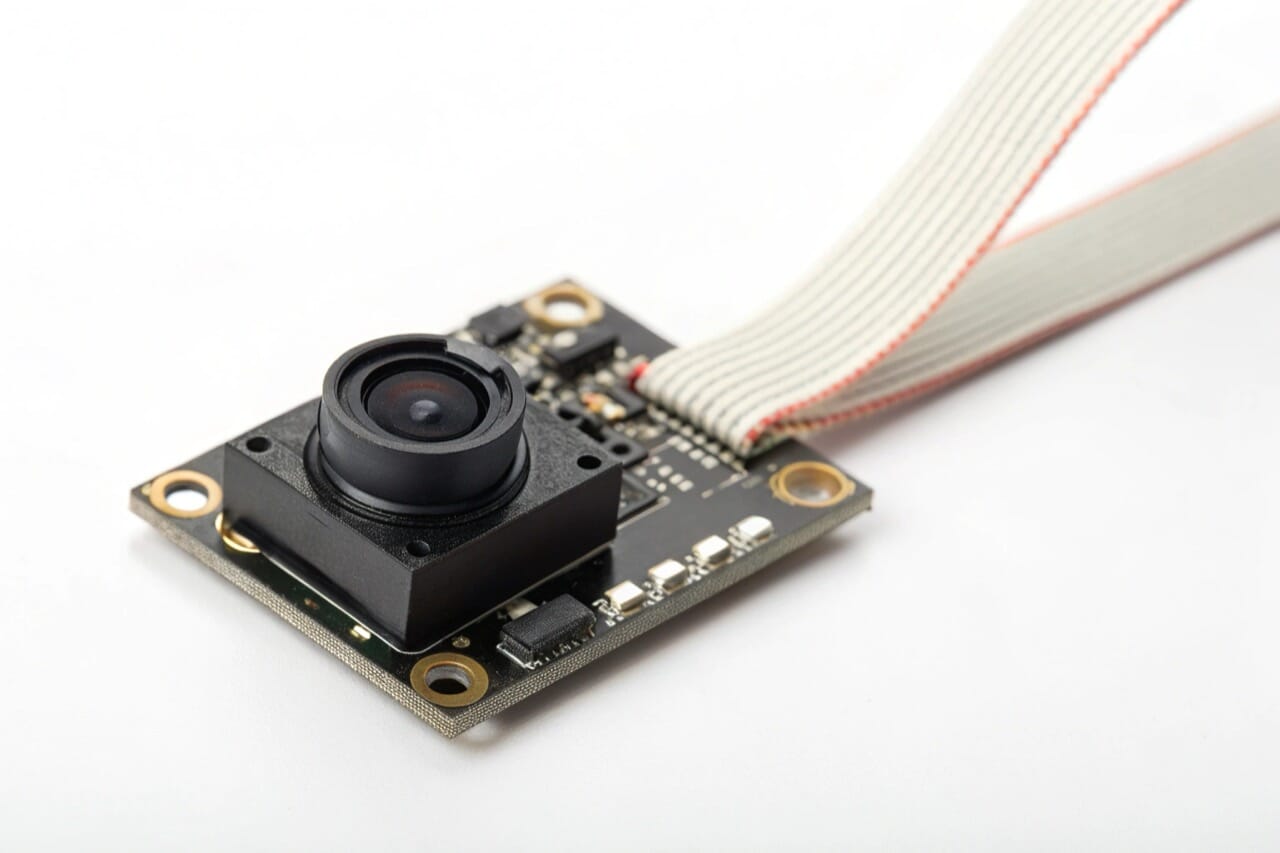
Many buyers ask us about reliability. They worry about connection loss, dead batteries, or poor image quality. These are valid concerns for any professional. A security device must be dependable.
The term "wireless" can be confusing. It usually means the camera sends data over WiFi. However, it can also refer to the power source. Some cameras use batteries, while others plug into a wall outlet. Both aspects, data and power, are critical for stable performance. Let's look at the details.
What Affects the Range of a Wireless Camera?
Your camera keeps disconnecting. This makes your surveillance useless. The problem is almost always the WiFi signal, not the camera itself.
A wireless camera's range is your WiFi network's range. It is typically 15-30 meters indoors. Physical objects like concrete walls, metal doors, and other electronic devices will reduce this range significantly.
Dive Deeper
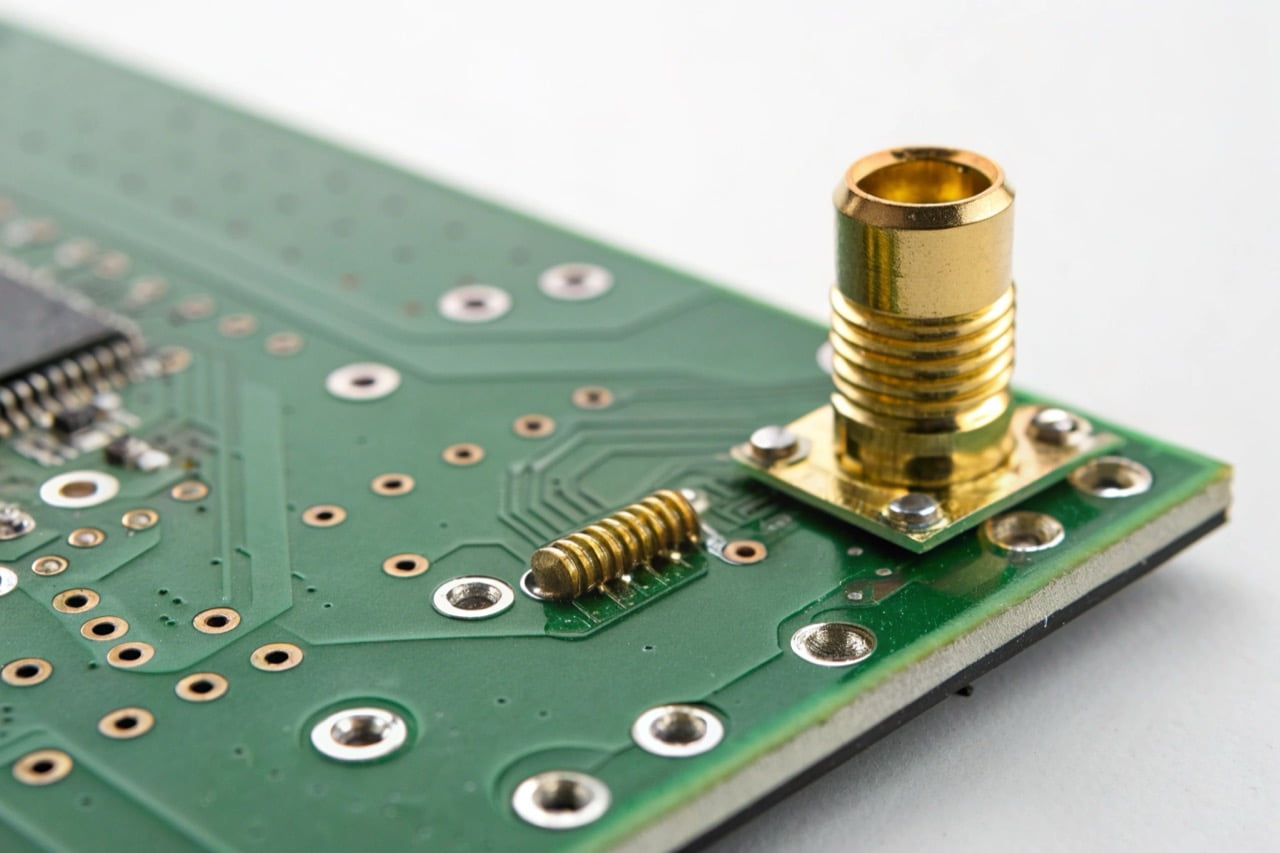
The camera itself does not create the transmission range. It connects to your existing WiFi router. If your smartphone has a strong WiFi signal in a location, the camera should also have a strong signal. Most of our hidden cameras use the 2.4GHz WiFi band. This frequency offers a better range through walls compared to 5GHz.
To ensure a reliable connection, you must focus on your network environment.
- Router Placement: Place your WiFi router in a central location. Avoid putting it inside cabinets or behind large metal objects. The higher the router is placed, the better the signal distribution.
- Obstructions: Every wall, floor, or piece of furniture between the router and the camera weakens the signal. Concrete and metal are the most difficult materials for WiFi signals to pass through.
- Interference: Other electronic devices can interfere with the 2.4GHz signal. Microwave ovens, cordless phones, and Bluetooth devices are common sources of interference. Try to keep the camera and router away from them.
- Network Extenders: For large spaces like a warehouse or a long office corridor, a single router may not be enough. You can use WiFi repeaters or a mesh network system to create strong coverage everywhere. This ensures your camera always has a stable connection.
How Long Can a Wireless Camera Battery Last?
You worry the camera battery will die at a critical moment. A dead camera records nothing. You must match the power source to the mission length.
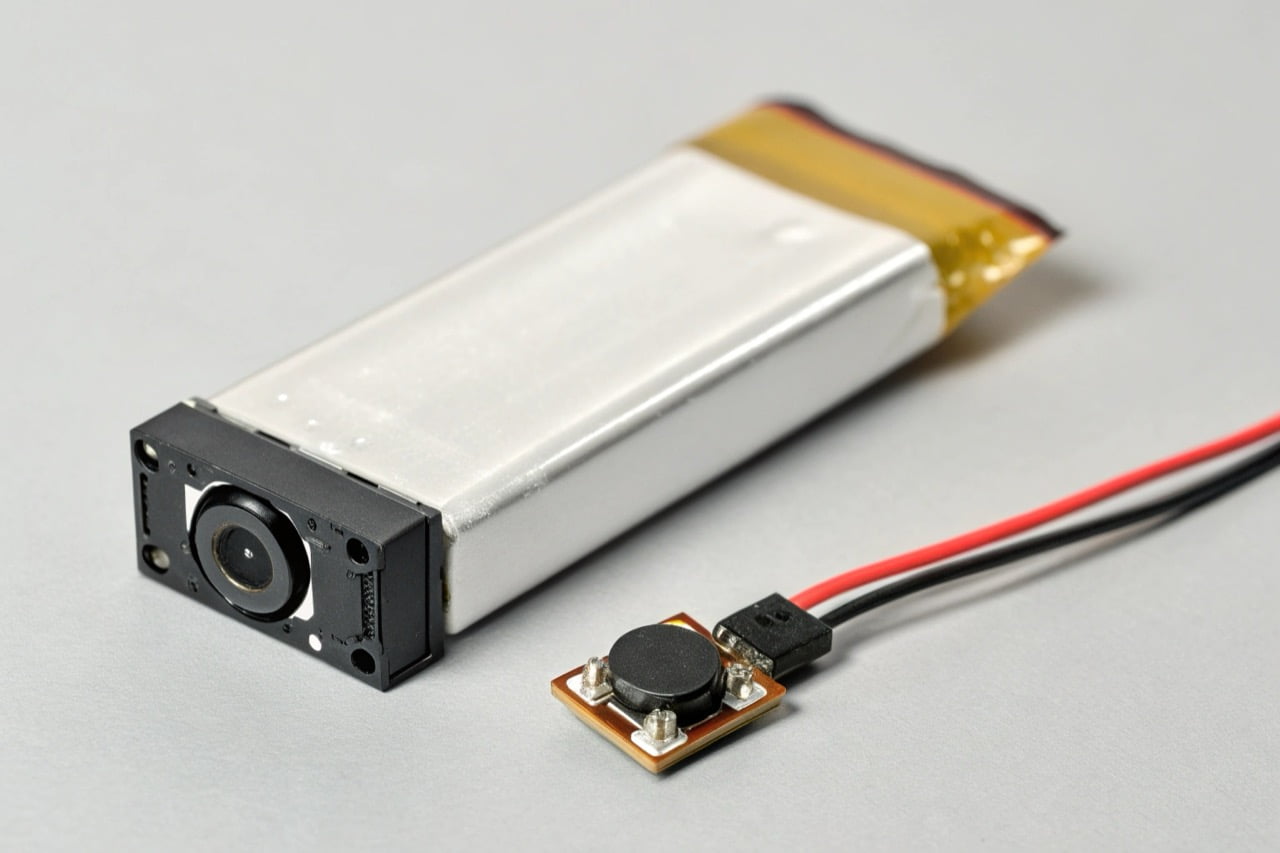
Battery life varies from 75 minutes in small devices to over 25 hours (1500 minutes) in units with large batteries. For permanent, continuous recording, always choose a model that plugs into mains power.
Dive Deeper
The camera's working time depends directly on its battery capacity (mAh) and power consumption. Features like night vision and high-resolution streaming use more power. Many of our models also support "record while charging," which is a very useful feature.
Here is a simple comparison of different device types:
| Device Type | Typical Battery (mAh) | Typical Work Time (Minutes) | Best Use Case |
|---|---|---|---|
| Pen Camera (W9) | 170 mAh | 75 | Short, mobile recording |
| Clock Camera (C6) | 2800 mAh | 300 - 420 | Room monitoring for several hours |
| Power Bank Cam (H20) | 5000+ mAh | 1500+ | Long-term temporary deployment |
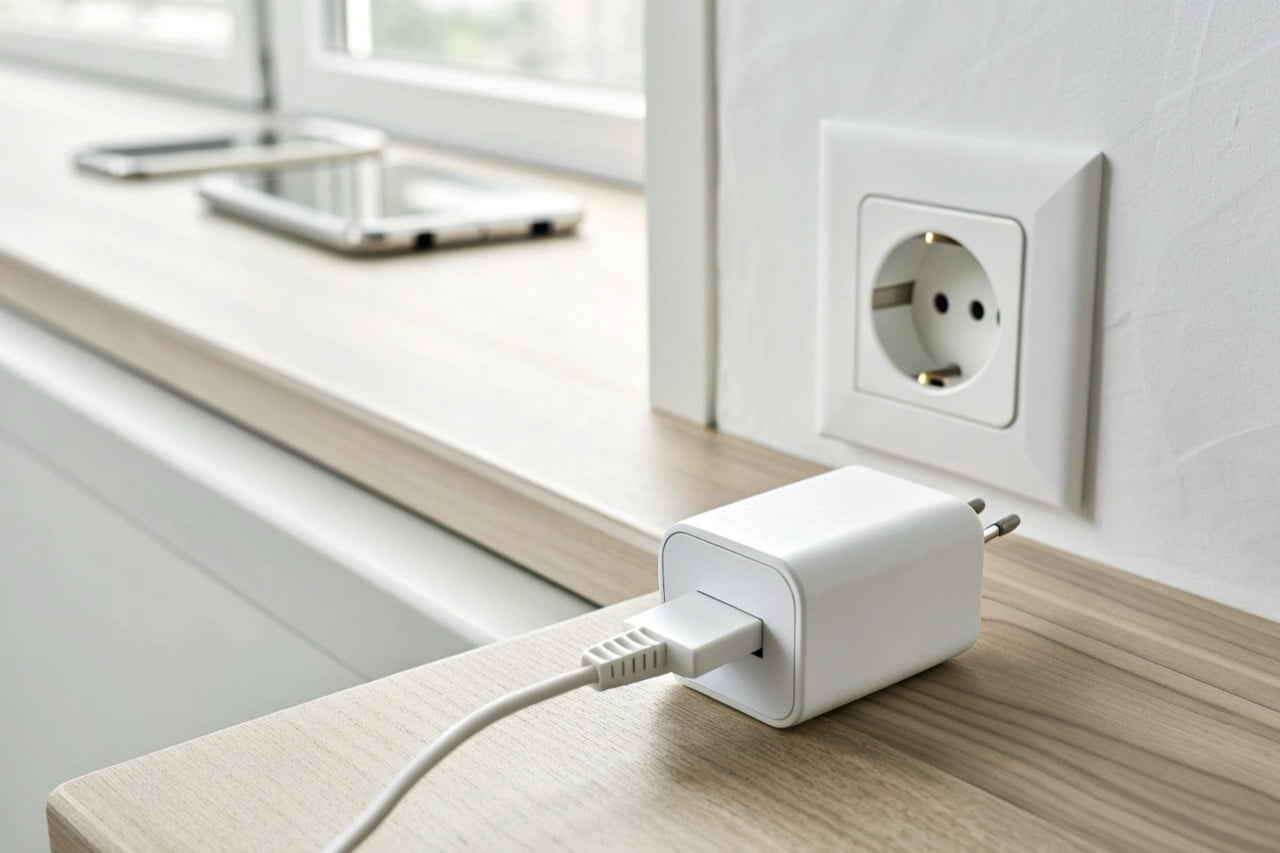
For truly long-term or permanent surveillance, battery power is not the right solution. You should use a camera that draws power directly from a building's electrical system. Models disguised as USB wall chargers or wall sockets are perfect for this. They can operate 24/7 without any concern for battery life, offering maximum reliability for a fixed location.
Is a Mains-Powered or Battery-Powered Camera Better?
Choosing the wrong camera type leads to failure. A battery model fails in a permanent role. A mains-powered model is not flexible. Match the camera to the job.
Battery-powered cameras are best for temporary or flexible placement. Mains-powered wireless cameras are superior for stable, long-term monitoring in a fixed location where an outlet is available.
Dive Deeper
The best choice depends entirely on your professional requirements. There is no single "better" option.
Choose a battery-powered camera when:
- The location has no power outlet.
- The camera needs to be moved frequently.
- The surveillance period is short and well-defined.
- Discretion is critical, and a power cord would be suspicious. Models like our Power Bank or Clock cameras are excellent for these situations.
Choose a mains-powered camera when:
- You need continuous, 24/7 surveillance.
- The camera will monitor a fixed area, like a stockroom, office, or entryway.
- You cannot risk a battery running out.
- The location has an available wall socket or USB port.
Our range of https://q-z-t.com/camera/ includes many mains-powered options, such as USB charger cameras and wall socket cameras. These are "install and forget" solutions. They receive constant power and send data wirelessly via WiFi, offering the best of both worlds: operational stability and data flexibility.
How Does Audio Quality Work in Hidden Cameras?
A video recording with no clear audio can be useless. Background noise or a poor microphone makes it impossible to understand conversations.
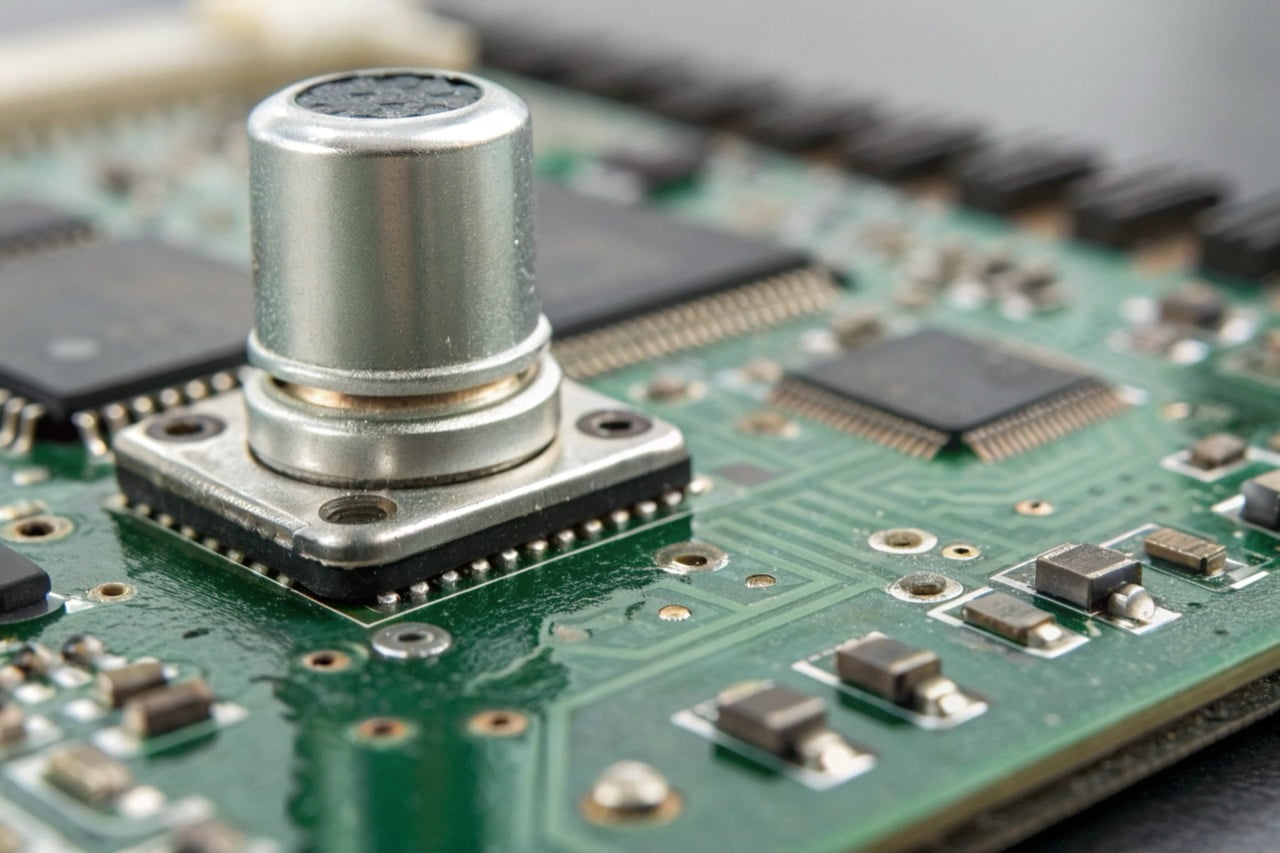
Most professional hidden cameras capture clear audio up to 5 meters in a quiet indoor environment. The final quality depends on the microphone component, room acoustics, and the level of background noise.
Dive Deeper
The small, built-in microphones in hidden cameras are designed to be sensitive to human speech in a typical room. However, their performance is affected by the physical environment.
- Distance: The further a person is from the microphone, the quieter their voice will be. Sound volume decreases quickly with distance.
- Background Noise: Air conditioners, traffic outside, computers, or music will be captured by the microphone. A high level of background noise can make speech difficult to understand. We select components that filter some noise, but they cannot perform miracles.
- Room Acoustics: Large, empty rooms with hard surfaces can create echo (reverberation). This makes audio sound hollow and less clear. Rooms with carpets, curtains, and furniture absorb sound and result in better audio recordings.
- Obstruction: If the camera's microphone hole is covered or blocked, the audio quality will be very poor.
Important Legal Note: Recording audio has strict legal regulations in Europe. It is your responsibility as the buyer and user to know and follow all local and national laws regarding audio surveillance. In many places, recording conversations without consent is illegal.
A reliable camera depends on WiFi, power, and the right model for the job.

 English
  Italiano
  Deutsch
  Français
  Español
  Polski